


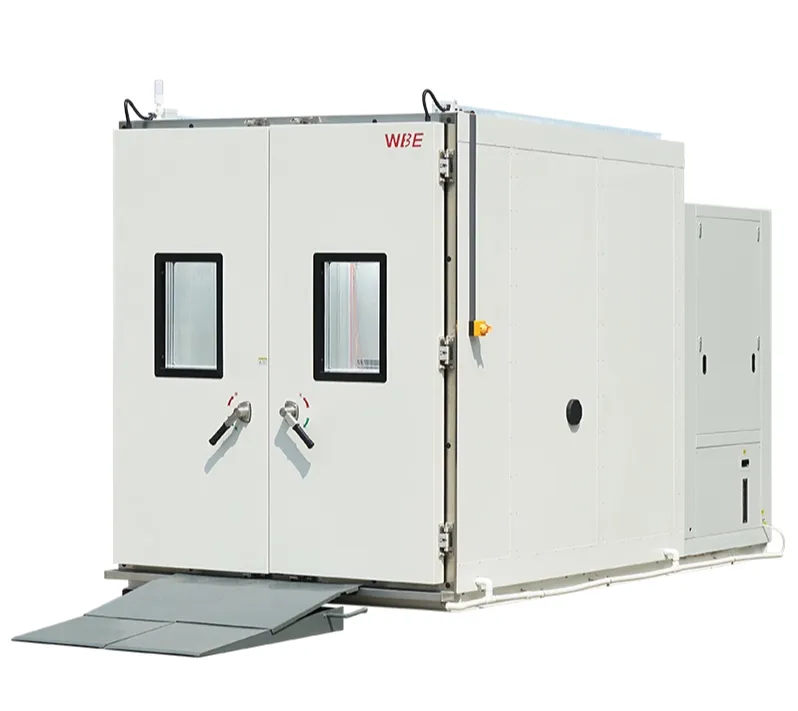
Semiconductors are essential components in modern electronics, powering devices such as smartphones, computers, automotive systems, and industrial equipment. Because these components are often exposed to challenging environmental conditions during operation, ensuring their long-term reliability is critical. One of the most effective ways to evaluate durability and performance is through the use of Environmental Test Chambers.
Environmental testing allows manufacturers to simulate extreme temperature, humidity, and other environmental conditions in a controlled laboratory setting. By exposing semiconductor devices to these conditions, engineers can identify potential weaknesses, improve product design, and ensure consistent performance over time. This article explores how Environmental Test Chambers are used in semiconductor reliability testing and why they play a vital role in quality assurance.
Why Reliability Testing Is Important for Semiconductor Devices
Semiconductor devices are used in a wide range of industries, many of which demand extremely high reliability. For example, automotive electronics must withstand large temperature variations, while aerospace systems must operate in harsh environments. Even consumer electronics may face fluctuating temperatures and humidity during everyday use.
Without proper testing, environmental stress can cause several problems in semiconductor components. These may include material degradation, electrical instability, corrosion, or packaging failure. Reliability testing helps manufacturers identify these risks early in the product development stage.
Environmental Test Chambers make it possible to replicate real-world environmental conditions under controlled circumstances. Engineers can monitor how semiconductor components respond to stress and make necessary design improvements. This approach helps ensure that products maintain stable performance throughout their expected lifespan.
Key Environmental Conditions Tested in Semiconductor Reliability Testing
Environmental Test Chambers can simulate multiple environmental factors that may affect semiconductor devices. These conditions help engineers evaluate durability and performance under realistic operating environments.
Temperature Testing
Temperature is one of the most significant factors affecting semiconductor reliability. Excessive heat can accelerate material aging, while extremely low temperatures may affect electrical performance.
Environmental Test Chambers allow engineers to test semiconductor components across a wide temperature range. These tests help determine safe operating limits and ensure devices can function properly in different climates or industrial environments.
Humidity Testing
Moisture can cause serious reliability issues in electronic components. High humidity levels may lead to corrosion, insulation breakdown, or short circuits.
Environmental Test Chambers with humidity control systems can simulate moist environments to test semiconductor resistance to moisture-related damage. This type of testing is particularly important for products used in outdoor or high-humidity environments.
Thermal Cycling
Thermal cycling tests expose components to repeated heating and cooling cycles. These rapid changes cause expansion and contraction in materials, which may lead to structural fatigue or bonding failures.
By performing thermal cycling in Environmental Test Chambers, manufacturers can simulate years of environmental stress within a shorter testing period. This allows engineers to detect long-term reliability issues before products reach the market.
Applications of Environmental Test Chambers in Semiconductor Industry
Environmental Test Chambers are widely used throughout the semiconductor manufacturing and development process. They support multiple stages of product testing and quality verification.
1. Integrated Circuit Reliability Testing
Semiconductor chips must maintain consistent electrical performance even when exposed to temperature fluctuations. Environmental Test Chambers help engineers analyze how integrated circuits behave under environmental stress.
2. Semiconductor Package Testing
The protective packaging of semiconductor devices plays a critical role in protecting internal components. Environmental testing evaluates whether packaging materials can withstand environmental expansion, contraction, and humidity exposure.
3. Automotive Electronics Testing
Modern vehicles rely heavily on semiconductor technology for control systems, sensors, and safety features. Automotive electronics must operate reliably under extreme temperature variations. Environmental Test Chambers simulate these conditions to ensure automotive-grade reliability.
4. Aerospace and High-Reliability Applications
In aerospace and defense applications, semiconductor failure is not acceptable. Environmental Test Chambers allow engineers to verify component reliability under extreme environmental stress conditions.
Advantages of Using Environmental Test Chambers
Environmental Test Chambers offer numerous benefits for semiconductor manufacturers and research laboratories.
Improved Product Quality
Through environmental simulation, manufacturers can detect weaknesses in semiconductor devices during early development stages. This allows engineers to improve design and material selection.
Accelerated Testing Process
Environmental testing can compress years of environmental exposure into a much shorter timeframe. This significantly speeds up product development cycles.
Compliance With Industry Standards
Many industries require strict environmental testing to comply with reliability standards. Environmental Test Chambers help manufacturers meet these requirements efficiently.
Reduced Product Failures
Products that undergo thorough environmental testing are far less likely to fail in real-world applications. This reduces warranty costs and enhances customer trust.
Key Factors When Choosing Environmental Test Chambers
Selecting the right Environmental Test Chambers is essential for achieving accurate and reliable test results. Several factors should be considered when choosing testing equipment.
Temperature Range and Accuracy
The chamber should support a wide temperature range with precise control. High accuracy ensures consistent testing results.
Humidity Control
Humidity control capability is important for evaluating moisture resistance in semiconductor devices.
Uniform Airflow Distribution
Uniform airflow ensures that all tested samples experience the same environmental conditions during testing.
Programmable Testing Cycles
Modern Environmental Test Chambers often include programmable controllers that allow engineers to automate complex testing cycles.
Equipment Reliability
Because environmental testing often involves extreme conditions, reliable equipment with safety protections is essential.
The Role of Environmental Testing in Modern Electronics
As electronic products become more advanced and compact, the reliability of semiconductor components becomes increasingly important. Environmental testing technology continues to evolve, providing manufacturers with more accurate and efficient testing solutions.
Environmental Test Chambers equipped with advanced monitoring systems allow engineers to track temperature, humidity, and other parameters in real time. This data provides valuable insights that help improve product design and reliability.
Testing equipment manufacturers continue to develop innovative solutions to meet the growing demand for high-precision reliability testing in industries such as semiconductors, automotive electronics, and renewable energy technologies.
About WBE Instrument Technology
Guangdong WBE Instrument Technology Co., Ltd. is a professional manufacturer specializing in reliability testing equipment. Since its establishment in 1995, the company has focused on the development and production of advanced environmental and mechanical testing solutions.
Located in Dongguan, China, WBE operates a modern manufacturing facility and provides a wide range of testing equipment, including Environmental Test Chambers, Thermal Shock Test Chambers, Rapid Rate Temperature Exchange Chambers, and Universal Testing Machines. These systems are widely used in industries such as semiconductors, automotive electronics, aerospace, new energy, and research laboratories.
With extensive experience in testing technology and a commitment to innovation and quality, WBE helps customers perform accurate reliability testing and improve the durability and performance of their products.
FAQ
Q1: What are Environmental Test Chambers used for?
Environmental Test Chambers are used to simulate environmental conditions such as temperature, humidity, and thermal cycling to test the reliability of electronic components and materials.
Q2: Why are Environmental Test Chambers important for semiconductor testing?
They help manufacturers evaluate how semiconductor devices respond to environmental stress, ensuring long-term reliability and performance.
Q3: What types of tests can be performed in Environmental Test Chambers?
Common tests include temperature testing, humidity testing, thermal cycling, and accelerated aging tests.
Q4: Which industries commonly use Environmental Test Chambers?
Industries such as semiconductor manufacturing, automotive electronics, aerospace, and research laboratories frequently use Environmental Test Chambers.
Q5: How do Environmental Test Chambers improve product quality?
By identifying weaknesses during testing, manufacturers can improve product design and materials before releasing products to the market.