


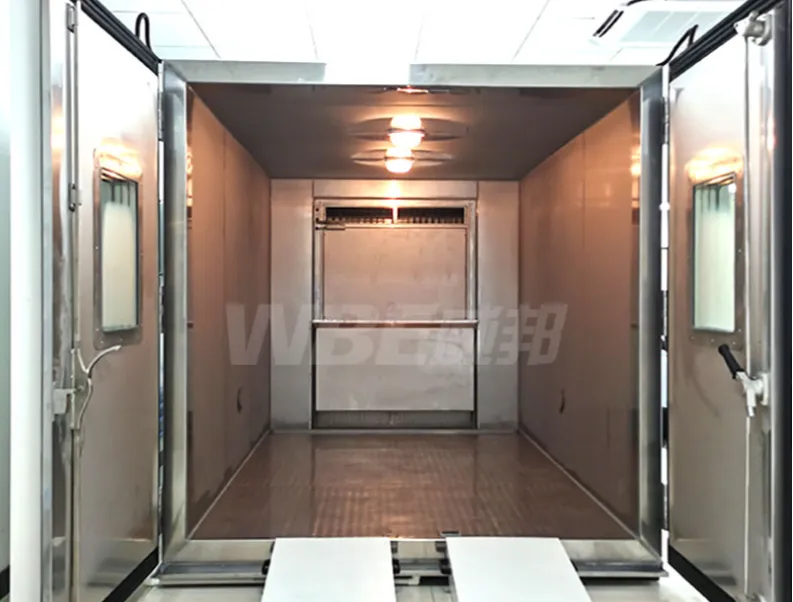
Environmental testing plays a critical role in product reliability evaluation across industries such as semiconductors, automotive electronics, aerospace, and consumer electronics. Among the various testing solutions available, Environmental Test Chambers are widely used to simulate temperature, humidity, and other environmental conditions in controlled laboratory environments.
To maintain reliable testing results and ensure long-term equipment stability, proper maintenance and calibration are essential. Regular upkeep helps prevent unexpected equipment failure, maintains testing accuracy, and extends the service life of the chamber. In this article, we explore key maintenance practices and calibration tips that help keep Environmental Test Chambers operating at peak performance.
Why Maintenance and Calibration Are Important
Environmental Test Chambers are designed to operate under demanding conditions, including extreme temperatures and high humidity levels. Over time, continuous operation may cause wear and tear on key components such as sensors, compressors, heaters, and circulation systems.
Without proper maintenance, these components may gradually lose accuracy or efficiency. Even small deviations in temperature or humidity control can significantly impact testing results. This is particularly critical in industries such as semiconductor manufacturing or aerospace, where precise environmental simulation is required.
Regular maintenance and calibration ensure that Environmental Test Chambers maintain stable performance and accurate environmental control. These procedures also help laboratories comply with industry standards and quality management systems.
Routine Maintenance Practices for Environmental Test Chambers
Routine maintenance should be performed on a regular schedule to keep Environmental Test Chambers functioning properly. The following practices help reduce downtime and improve operational reliability.
1. Cleaning the Chamber Interior
During testing, dust, residue, or contaminants may accumulate inside the chamber. These contaminants can affect airflow and environmental stability.
Regular cleaning of the chamber interior helps maintain consistent air circulation and prevents contamination of test samples. It is recommended to use non-corrosive cleaning materials and avoid harsh chemicals that may damage internal surfaces.
2. Inspecting Seals and Door Gaskets
Door gaskets and seals play a crucial role in maintaining stable environmental conditions inside Environmental Test Chambers. Damaged or worn seals may cause air leakage, leading to temperature instability and higher energy consumption.
Operators should regularly inspect the door gasket and replace it if signs of cracking or deformation appear.
3. Checking the Refrigeration System
The refrigeration system is responsible for maintaining low temperatures inside the chamber. Components such as compressors, condensers, and evaporators must be inspected periodically.
Proper maintenance includes cleaning condenser coils, checking refrigerant levels, and ensuring the compressor operates smoothly. These checks help maintain efficient cooling performance.
4. Verifying Air Circulation Systems
Uniform temperature distribution is essential for accurate environmental testing. Fans and airflow systems inside Environmental Test Chambers ensure consistent air movement throughout the testing space.
Regularly inspecting fans and air ducts helps maintain uniform environmental conditions during testing.
Importance of Calibration for Accurate Testing
Calibration is the process of verifying and adjusting the measurement accuracy of sensors and control systems within Environmental Test Chambers. Temperature and humidity sensors may drift over time due to repeated exposure to extreme conditions.
Without calibration, sensor inaccuracies may lead to incorrect testing results. This can compromise product reliability evaluations and may result in compliance issues with industry testing standards.
Regular calibration ensures that Environmental Test Chambers provide precise environmental simulation. Laboratories typically follow calibration schedules recommended by equipment manufacturers or industry standards.
Key Calibration Procedures
Several calibration procedures help maintain the accuracy of Environmental Test Chambers.
Temperature Sensor Calibration
Temperature sensors are critical for maintaining accurate thermal conditions inside the chamber. Calibration involves comparing sensor readings with certified reference instruments and adjusting the system accordingly.
Accurate temperature calibration ensures reliable environmental simulation and repeatable testing results.
Humidity Sensor Calibration
Humidity control is another important factor in environmental testing. Calibration ensures that humidity sensors accurately measure moisture levels within the chamber.
Technicians often use reference humidity generators or calibration solutions to verify humidity readings.
Data Recording and Verification
Modern Environmental Test Chambers are equipped with digital monitoring systems that record testing data. Calibration procedures should include verification of data recording accuracy to ensure reliable test documentation.
Accurate data logging is essential for quality control and regulatory compliance.
Best Practices for Long-Term Equipment Performance
Maintaining Environmental Test Chambers involves more than periodic cleaning and calibration. Several best practices can help extend equipment lifespan and ensure consistent testing performance.
Establish a Preventive Maintenance Schedule
Preventive maintenance schedules help laboratories perform inspections and servicing before problems occur. Regular maintenance intervals should be based on equipment usage and manufacturer recommendations.
Train Operators Properly
Well-trained operators are essential for maintaining equipment reliability. Proper training ensures that Environmental Test Chambers are used correctly and that early signs of equipment issues are detected.
Monitor System Performance
Monitoring system performance through data logs and operational checks allows technicians to identify anomalies before they affect testing results.
Work With Professional Service Providers
Partnering with experienced testing equipment manufacturers or service providers can help ensure professional maintenance, calibration, and technical support.
The Future of Environmental Testing Technology
As product reliability requirements continue to increase, Environmental Test Chambers are becoming more advanced. Modern systems incorporate intelligent controllers, remote monitoring, and automated testing functions.
These technological improvements allow engineers to perform more complex environmental testing while maintaining high levels of precision and repeatability. With the integration of digital monitoring and automation, environmental testing laboratories can improve efficiency and data accuracy.
Environmental Test Chambers will continue to play an essential role in quality assurance across industries such as semiconductor manufacturing, automotive electronics, and new energy technologies.
About WBE Instrument Technology
Guangdong WBE Instrument Technology Co., Ltd. is a professional manufacturer specializing in reliability testing equipment. Since its establishment in 1995, the company has focused on developing advanced environmental and mechanical testing solutions for a wide range of industries.
Based in Dongguan, China, WBE provides various testing systems, including Environmental Test Chambers, Thermal Shock Test Chambers, Rapid Rate Temperature Exchange Chambers, and Universal Testing Machines. These products are widely used in industries such as semiconductors, automotive electronics, aerospace, and research laboratories.
With years of experience in environmental simulation technology, WBE is committed to delivering reliable testing equipment and customized solutions that help customers perform accurate product reliability evaluations.
FAQ
Q1: How often should Environmental Test Chambers be maintained?
Routine maintenance should be performed regularly, typically monthly or quarterly depending on usage, to ensure stable performance.
Q2: Why is calibration important for Environmental Test Chambers?
Calibration ensures that temperature and humidity sensors provide accurate readings, which is essential for reliable testing results.
Q3: What components require regular inspection in Environmental Test Chambers?
Key components include sensors, compressors, fans, door seals, and the refrigeration system.
Q4: Can inaccurate calibration affect testing results?
Yes, inaccurate calibration may lead to incorrect environmental conditions, which can compromise reliability testing outcomes.
Q5: How can the lifespan of Environmental Test Chambers be extended?
Regular maintenance, proper calibration, correct operation, and professional servicing help extend the equipment’s lifespan.