Products
Learn More>


Products Center
WBE Provides The Safest Choice Of Environmental Test Chambers For Your Industry
Environment Test Chamber
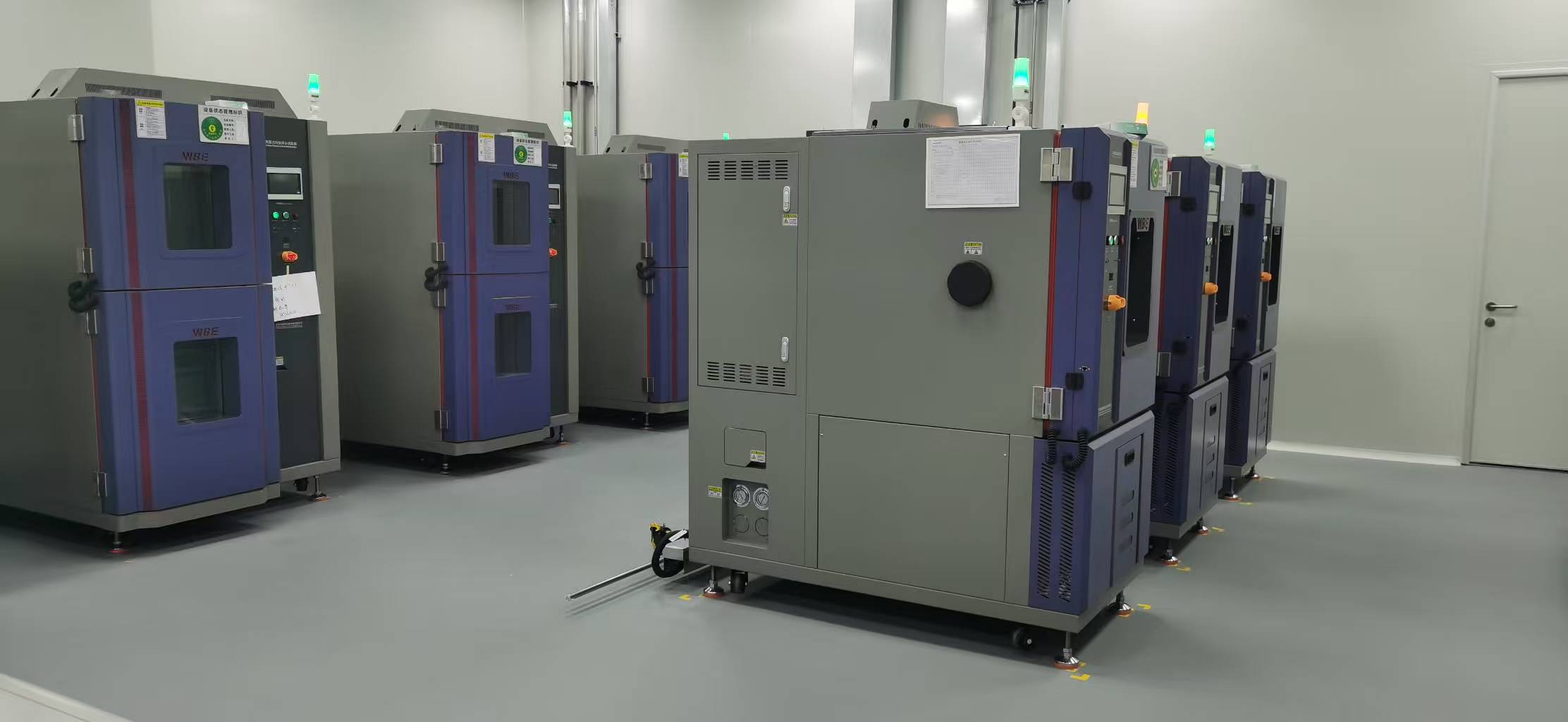
Thermal Shock Chamber
Rapid Temperature Change Test Chanber
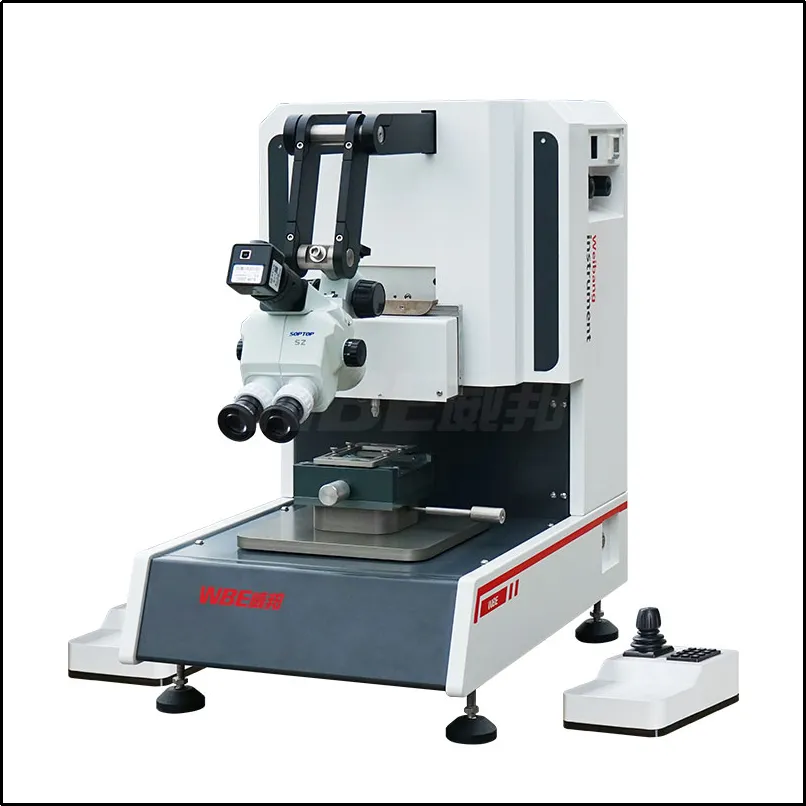
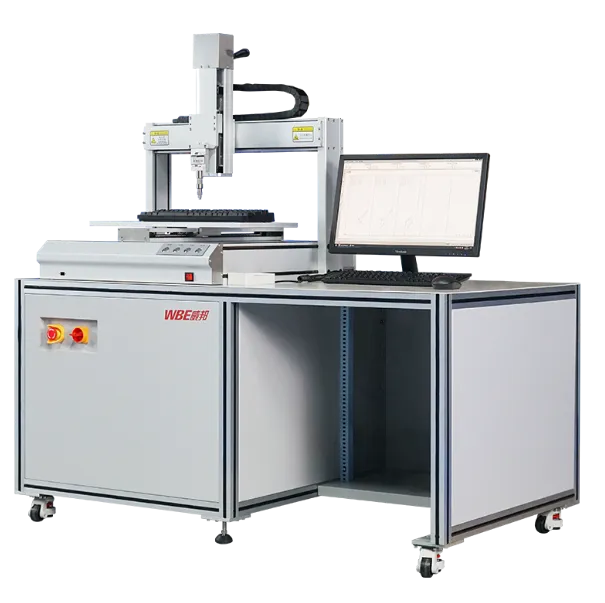
Mechanical testing machine
Guangdong WBE Instrument Technology Co., LTD.
WBE was established in 1995, headquartered in Guangdong-Hong Kong-Macao Greater Bay Area - Dongguan. Is a research and development, production, sales, service in one of...


Industry Applications
WBE provides professional testing solutions including precision testing, temperature and humidity testing, etc. for the fields of semiconductors, defense equipment, energy storage, automotive transportation, and information communications.

Semiconductor Industry

Military industry

Automotive electronics industry

New energy industry
News
Explore professional industry news and cutting-edge insights
WBE officially shifts the landscape as China's first manufacturer to achieve full independent R&D and large-scale mass production of Bond Testing Machines.
Walk-in high and low temperature (humidity and heat) low pressure vibration comprehensive test chamber - escort for product reliability in extreme environments!

To kick off 2026, driven by factors such as AI production expansion, surging storage demand, and increasing localization rates, the logic of domestic substitution has deepened alongside an explosion in AI computing needs. This has sparked a vigorous surge in growth for the semiconductor equipment industry at the start of the year.
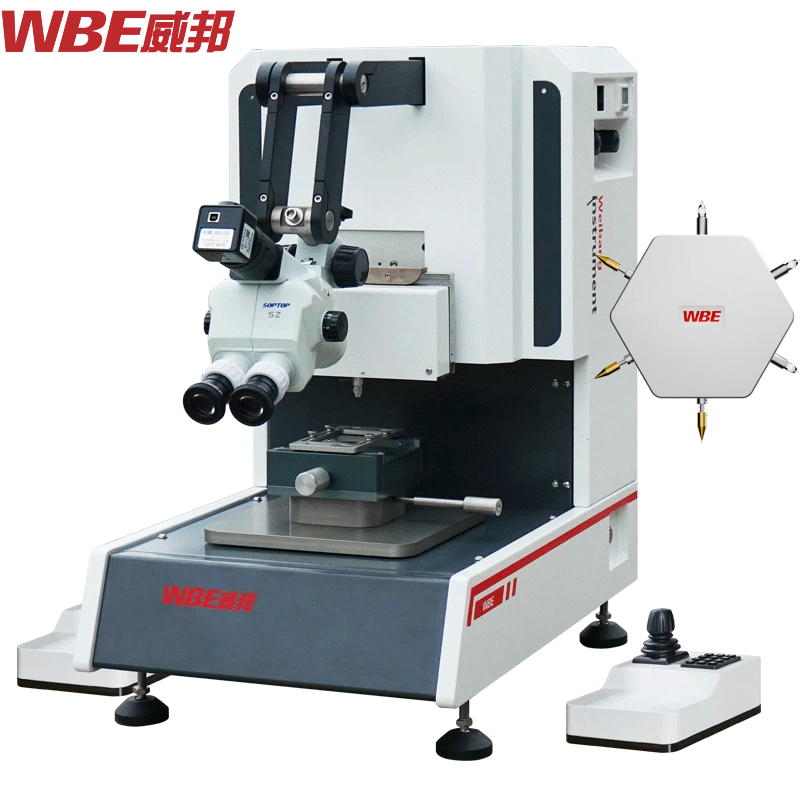
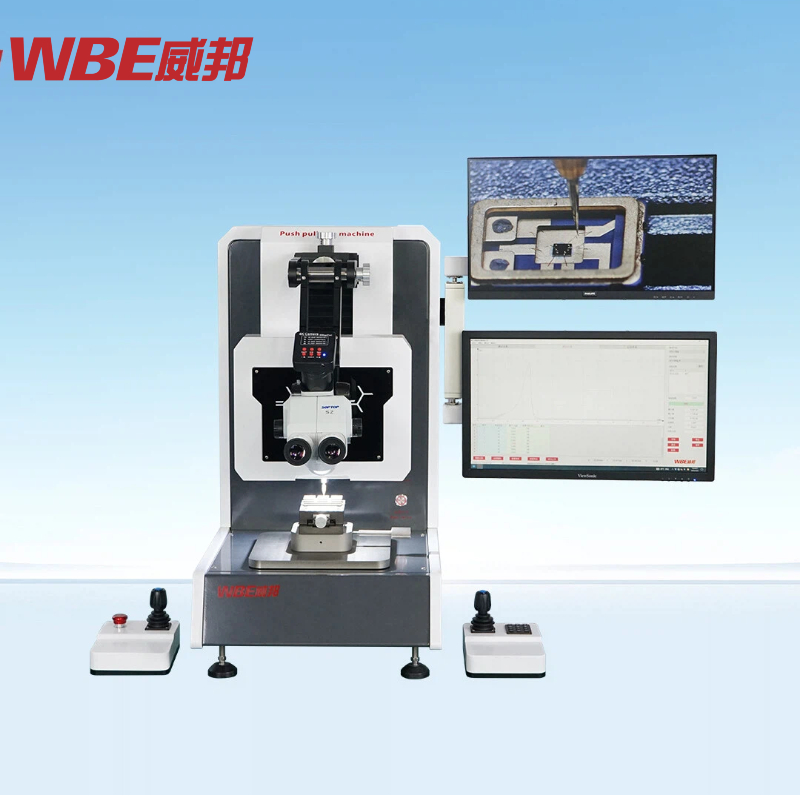
In high-tech industries such as semiconductor packaging, optical communication device manufacturing, and LED packaging, the reliability of tiny solder joints and connection structures directly determines the success or failure of a product. Tiny soldering defects can lead to the failure of the entire electronic system.
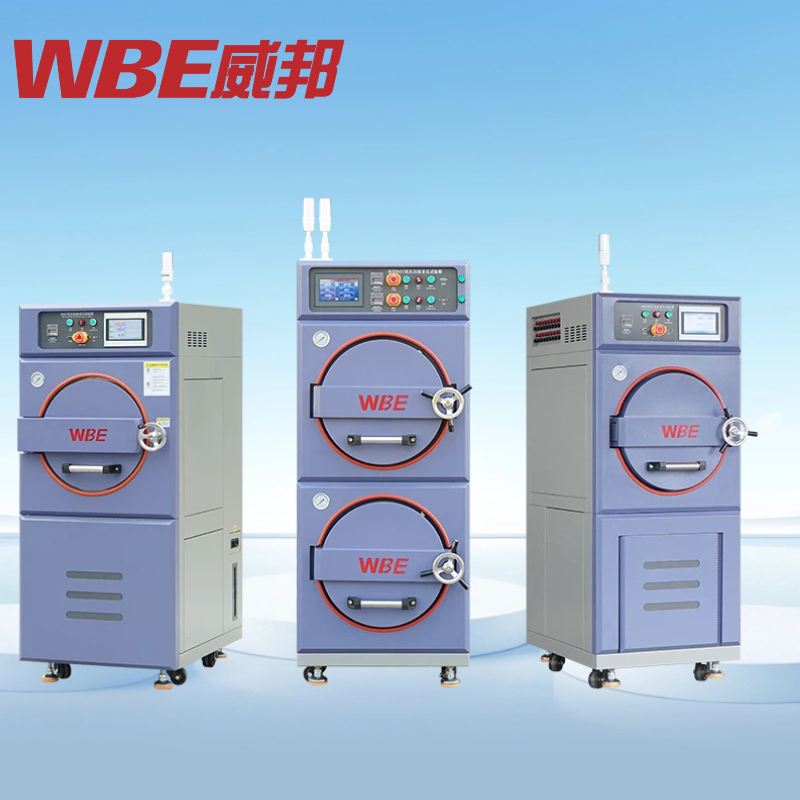
In the fields of electronics, automotive, aerospace, and materials research and development, environmental reliability testing is the ultimate gatekeeper of product quality. Faced with a dazzling array of testing equipment on the market, how can one make an informed choice between a double-layer high and low temperature humidity test chamber and a traditional single-layer high and low temperature test chamber? This article will provide an in-depth analysis of the technical differences, applicable scenarios, and selection strategies between the two.

State-owned enterprises (AVIC Precision Machinery) have accepted and ordered our equipment

A comprehensive guide to understanding the mechanics, calibration, and industrial applications of the universal testing machine in modern material science.
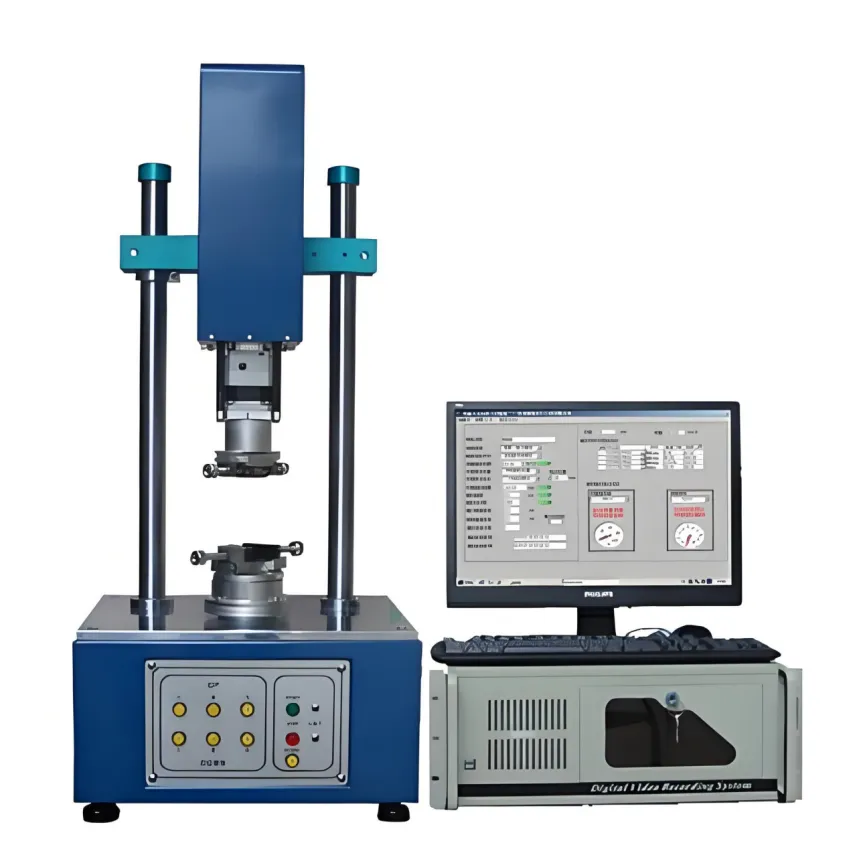
A comprehensive guide to material characterization, mechanical validation, and the versatility of the modern Universal Testing Machine in global manufacturing.
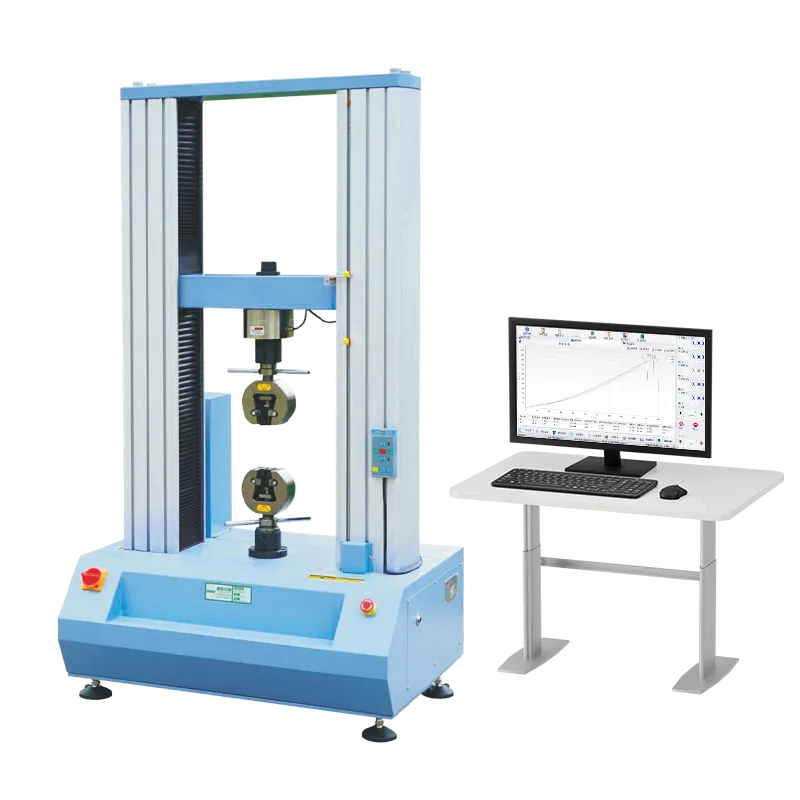
In the competitive landscape of modern manufacturing, the difference between a market leader and a struggling brand often comes down to one factor: product reliability. High-performance reliability testing equipment serves as the frontline defense against unexpected product failures, ensuring that every component meets the highest standards before reaching the end consumer.
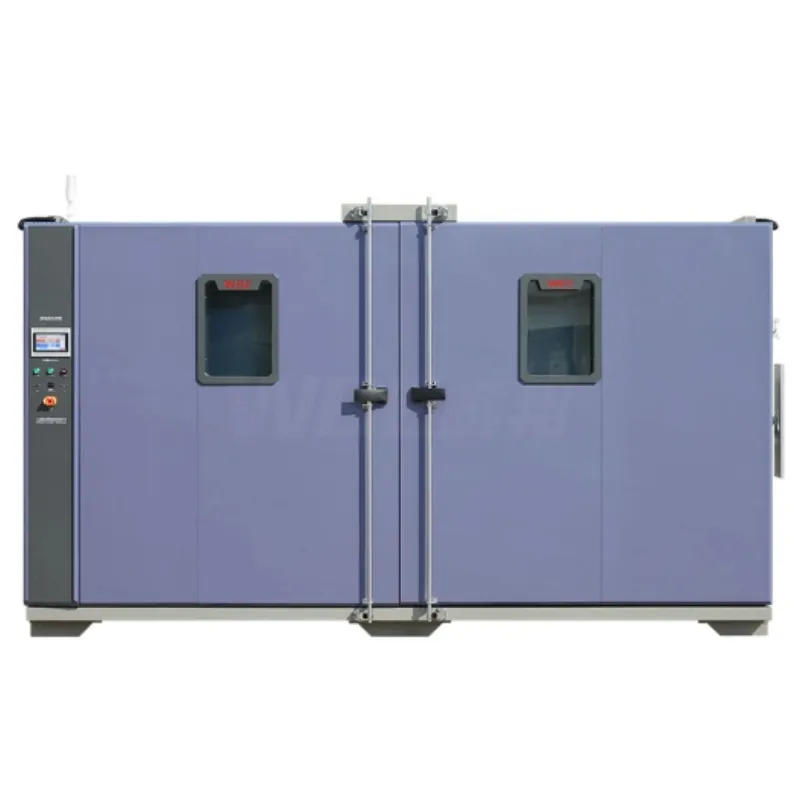
A comprehensive guide to understanding environmental and mechanical stress testing in the modern industrial landscape.
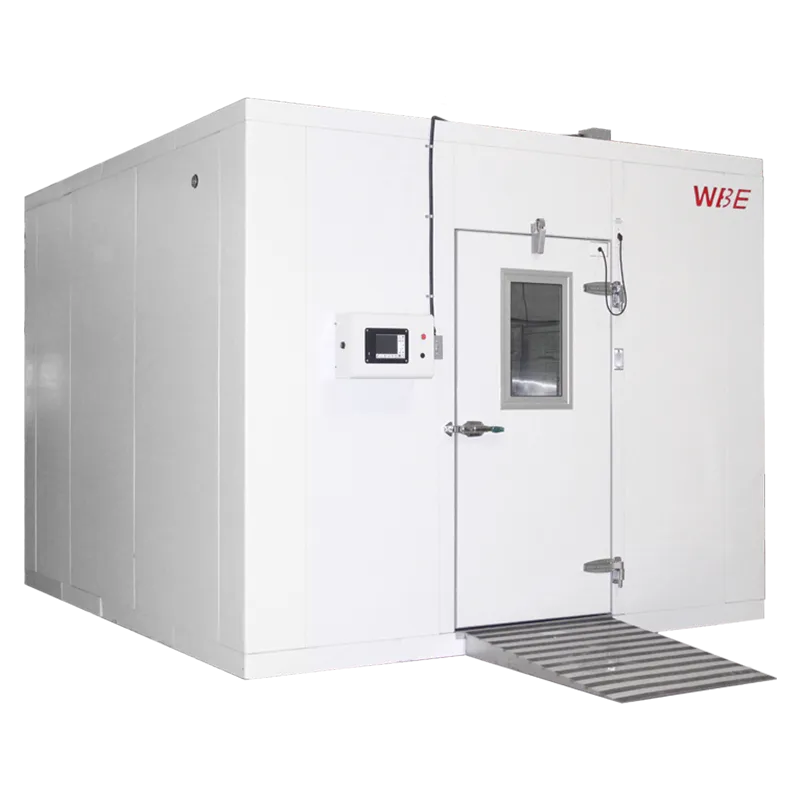
An in-depth exploration into the engineering, methodology, and critical reliability insights provided by advanced thermal simulation technology.
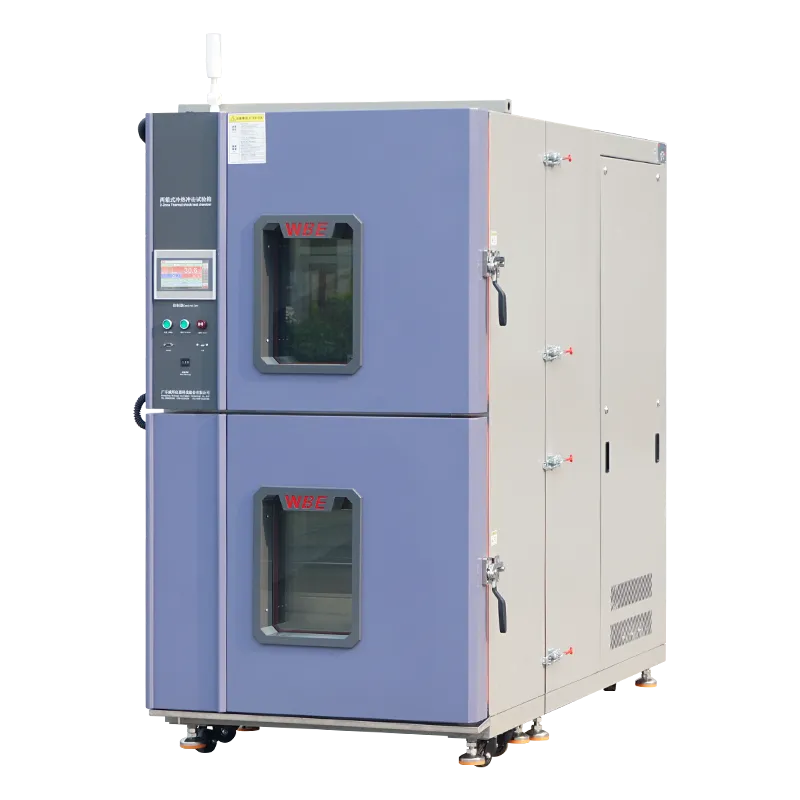
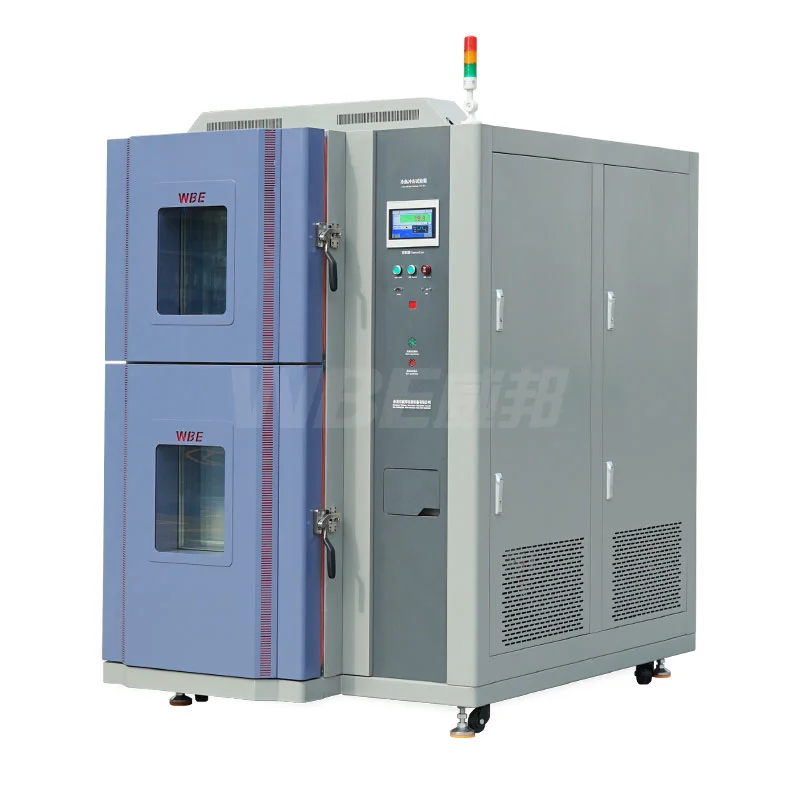
In the modern manufacturing landscape, ensuring product durability under extreme conditions is not just an advantage; it is a necessity. A thermal shock test chamber serves as a critical tool for engineers to simulate rapid temperature transitions that materials might encounter during their lifecycle.
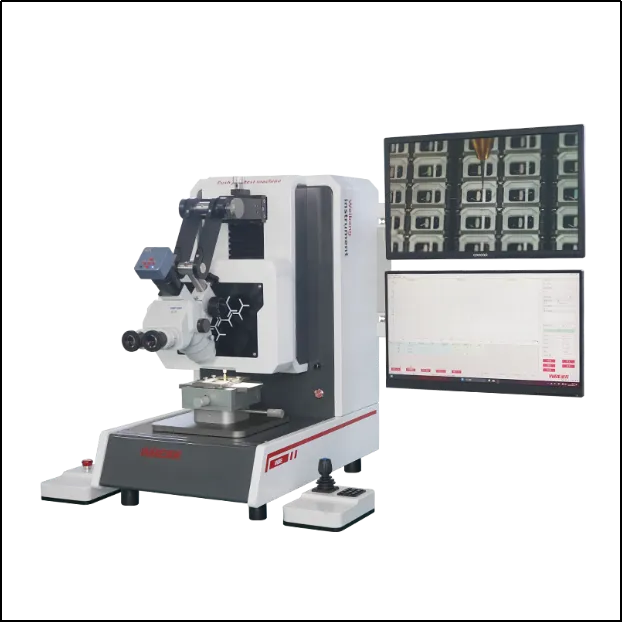
In the precision-driven world of electronics and mechanical assembly, the reliability of a connector, a switch, or a semiconductor bond is paramount. Manufacturers must ensure that components can withstand the stresses of repeated use without failing.
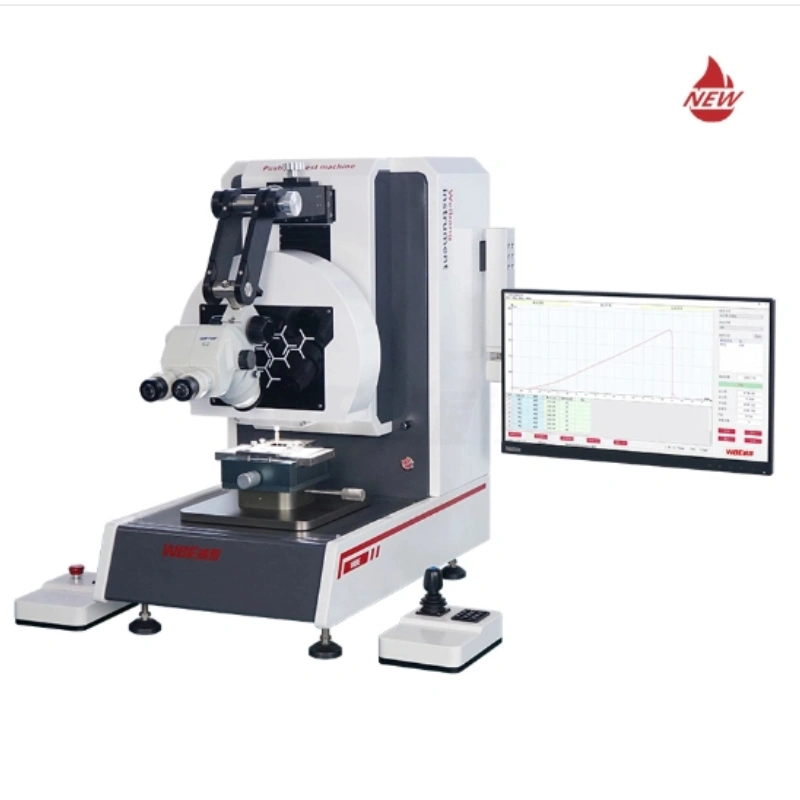
In the rapidly evolving world of electronics manufacturing, the reliability of individual components determines the success of the entire system. Among these components, connectors play a pivotal role in ensuring seamless data transmission and power supply.
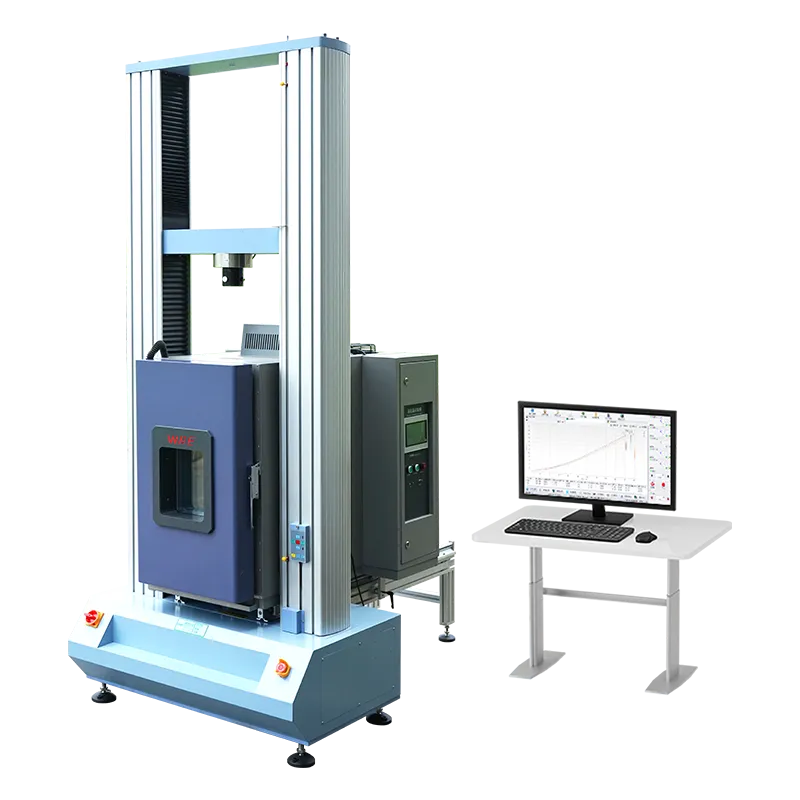
In the world of modern manufacturing and engineering, material integrity is the foundation of safety and performance. To verify this integrity, engineers rely on a sophisticated mechanical testing machine to provide quantitative data on how materials behave under stress.
An authoritative guide to understanding the role, functionality, and industrial significance of high-precision material validation systems.
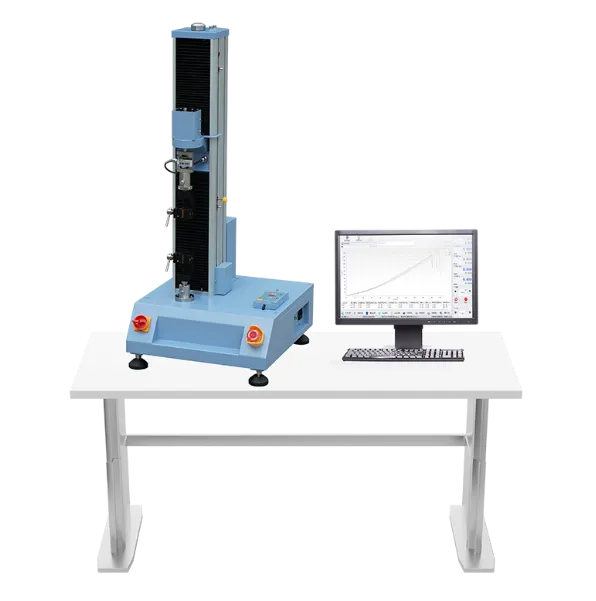
In the realm of advanced industrial manufacturing and quality assurance, the ability to simulate extreme environmental conditions is paramount. For large-scale products such as electric vehicle battery packs, aerospace components, and telecommunications infrastructure, standard benchtop testers are insufficient.
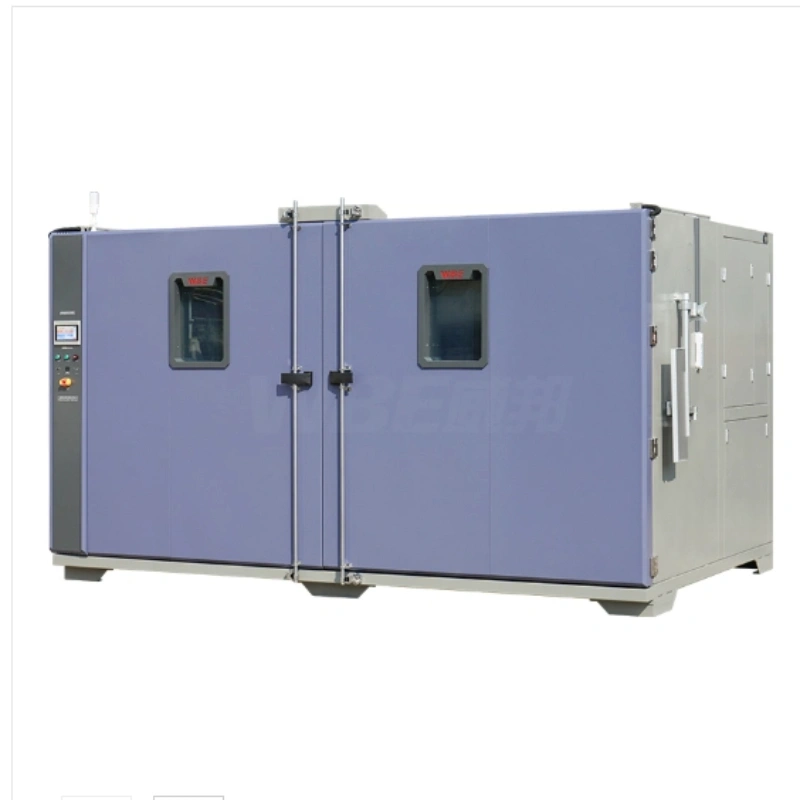
In the modern industrial landscape, the pursuit of product reliability has moved far beyond simple benchtop assessments. As industries like electric vehicles (EV), aerospace, and renewable energy expand, the components they produce have grown significantly in size and complexity.
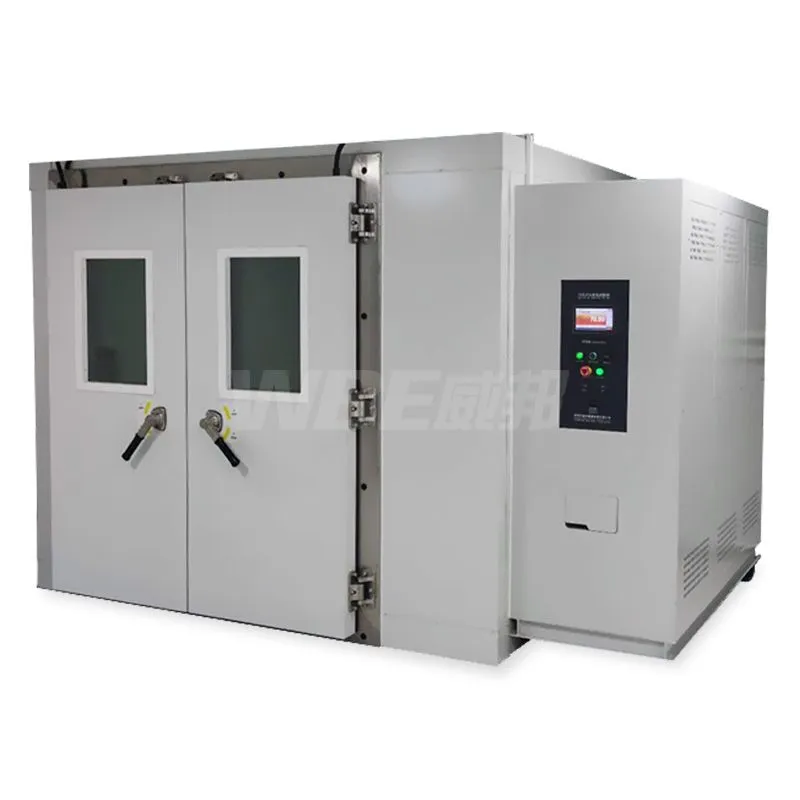
In the contemporary landscape of high-tech manufacturing, the reliability of electronic components, automotive parts, and aerospace materials is non-negotiable. To ensure these products survive the rigors of real-world use, engineers rely on sophisticated testing equipment.
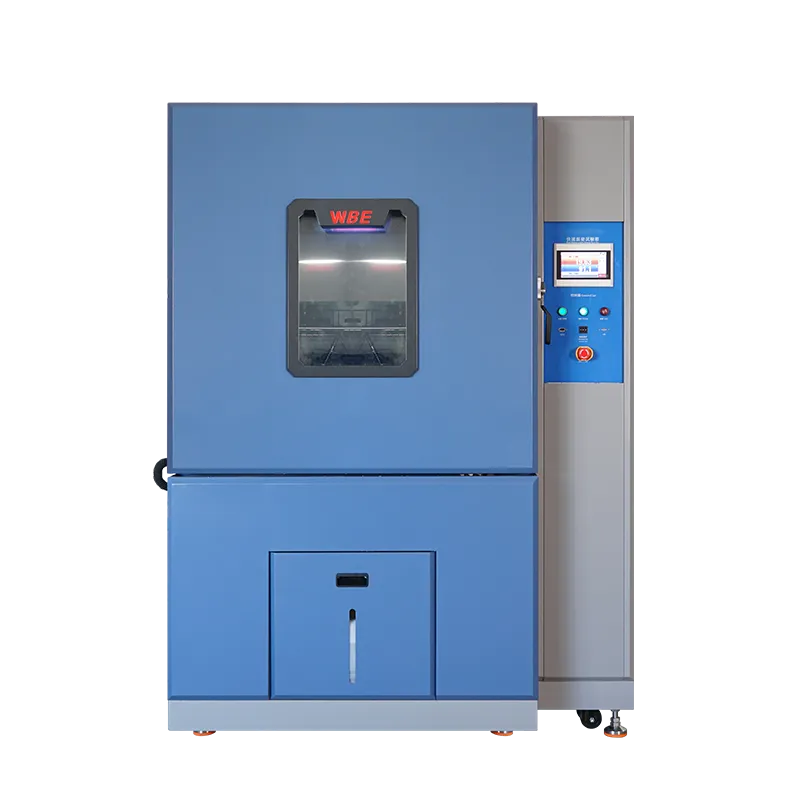
In the contemporary landscape of high-precision manufacturing and electronics development, ensuring the absolute reliability of products is not just an advantage; it is a necessity.
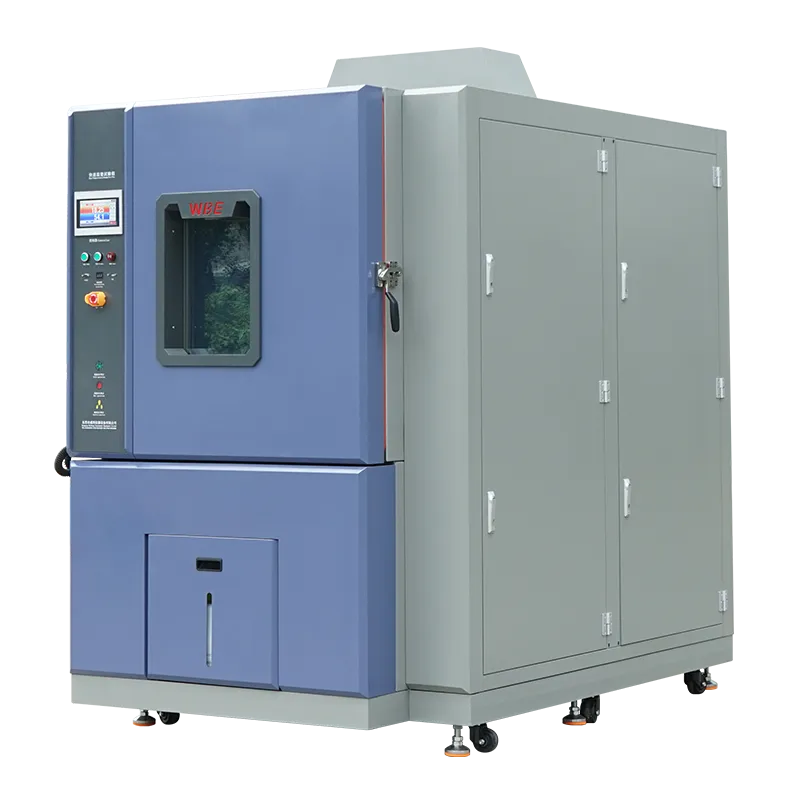
In the modern manufacturing landscape, ensuring that a product can withstand the rigors of its intended environment is not just a luxury—it is a legal and commercial necessity. Environmental test chambers serve as the primary defensive line against premature product failure. These sophisticated enclosures allow engineers to simulate a vast array of atmospheric conditions, from the freezing temperatures of the stratosphere to the oppressive humidity of a tropical rainforest.
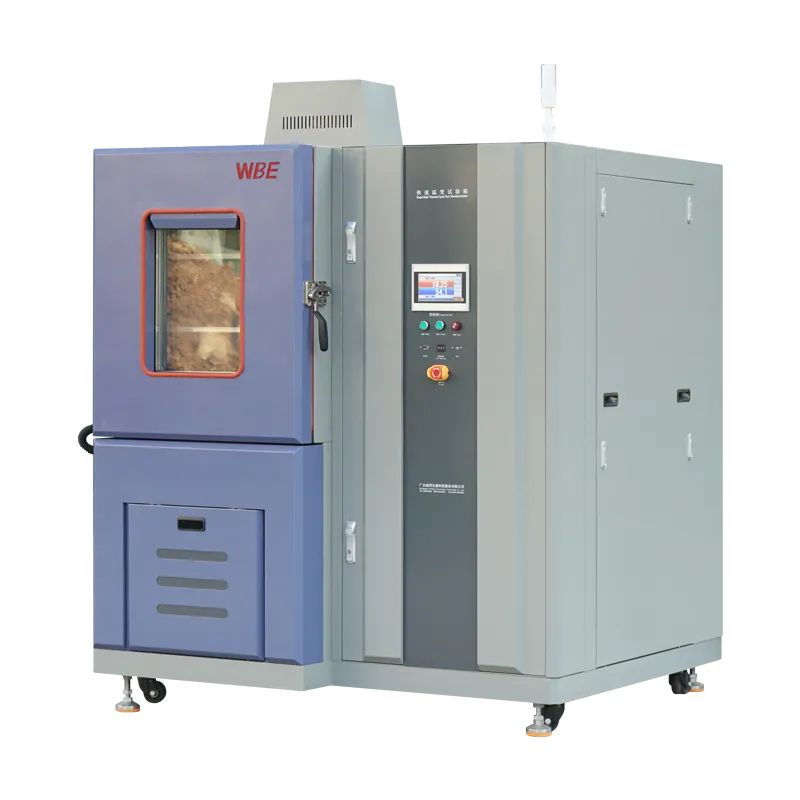
An in-depth exploration of the technology, mechanics, and industrial significance of environmental simulation in modern product reliability and quality assurance.
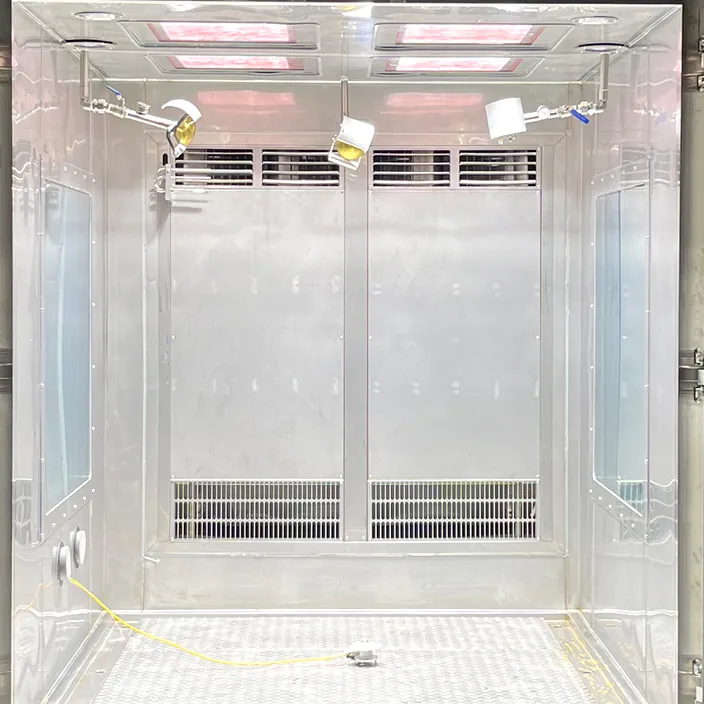
A comprehensive guide to understanding technical specifications and reliability standards in modern material analysis.
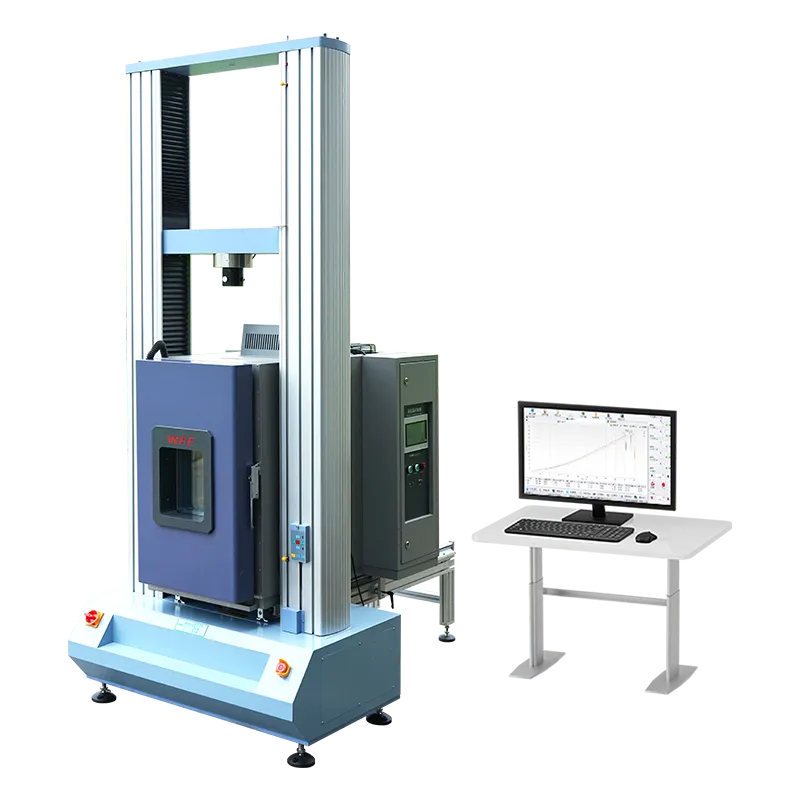
The evolution of modern manufacturing is deeply intertwined with the development of high-performance polymers and composite materials. From aerospace components to everyday consumer electronics, the reliability of these materials is paramount. To ensure that these substances can withstand the rigors of their intended environments, engineers rely heavily on a sophisticated mechanical testing machine.
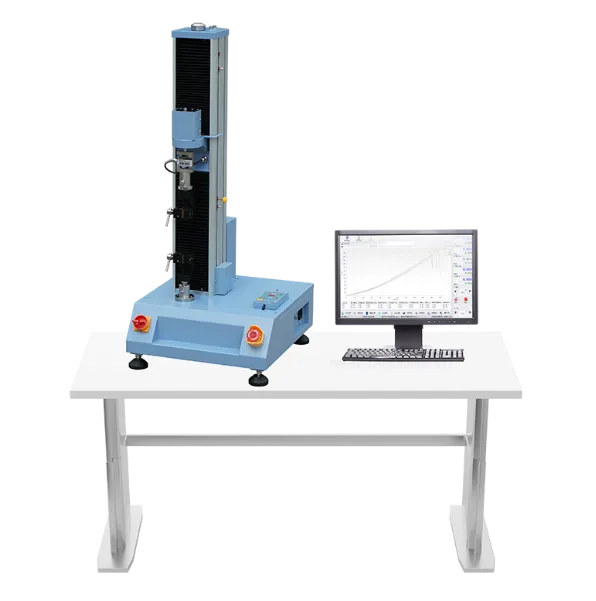
In the modern industrial landscape, the reliability of products under extreme conditions is non-negotiable. For manufacturers in the aerospace, automotive, and telecommunications sectors, standard benchtop chambers often fall short when testing large-scale components or entire systems.
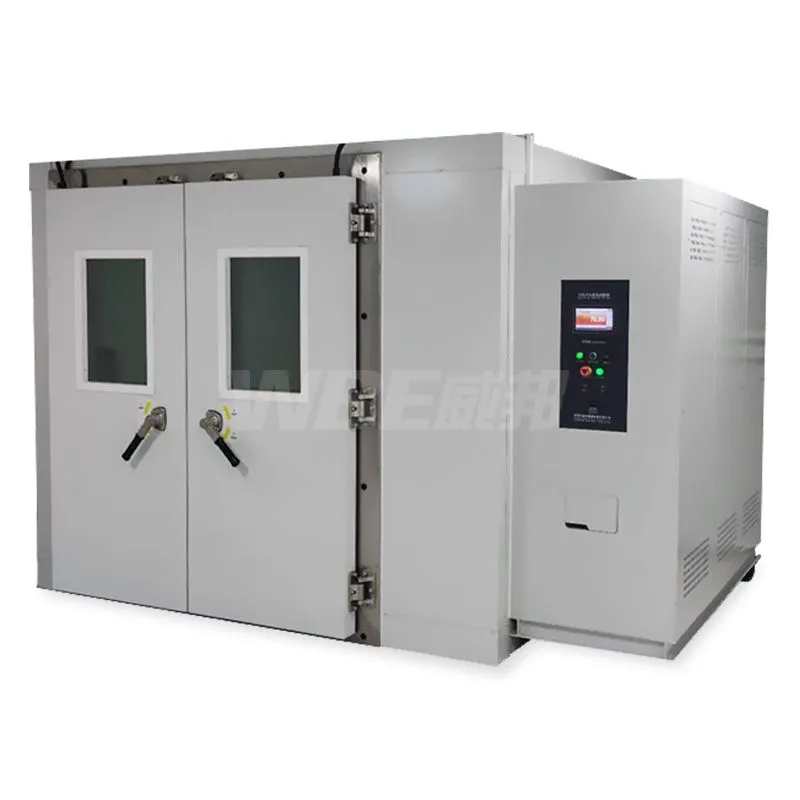
A comprehensive guide to understanding the engineering, applications, and strategic value of large-scale climatic simulation systems in modern manufacturing.
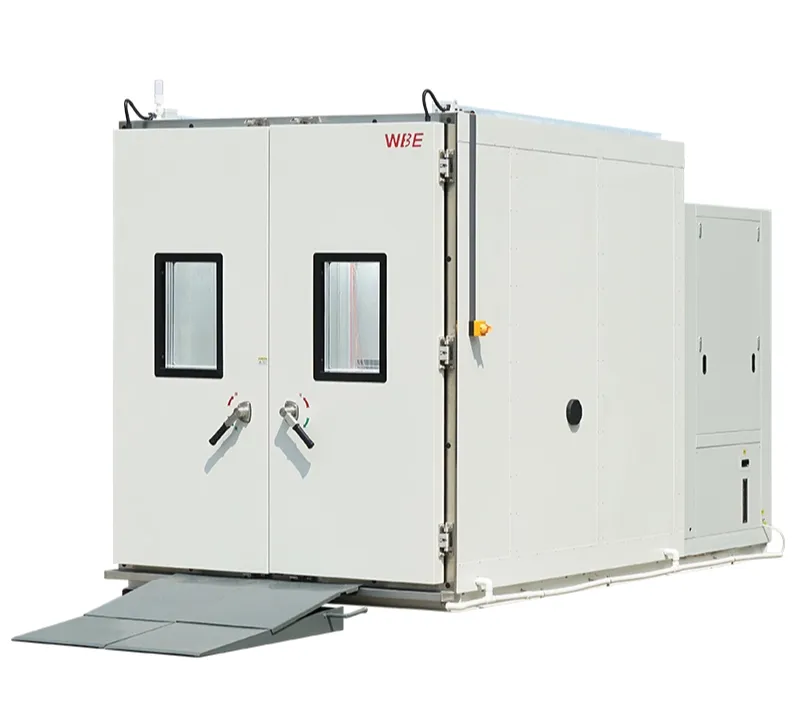
A comprehensive guide exploring the engineering intricacies and professional strategies for high-performance environmental testing equipment.
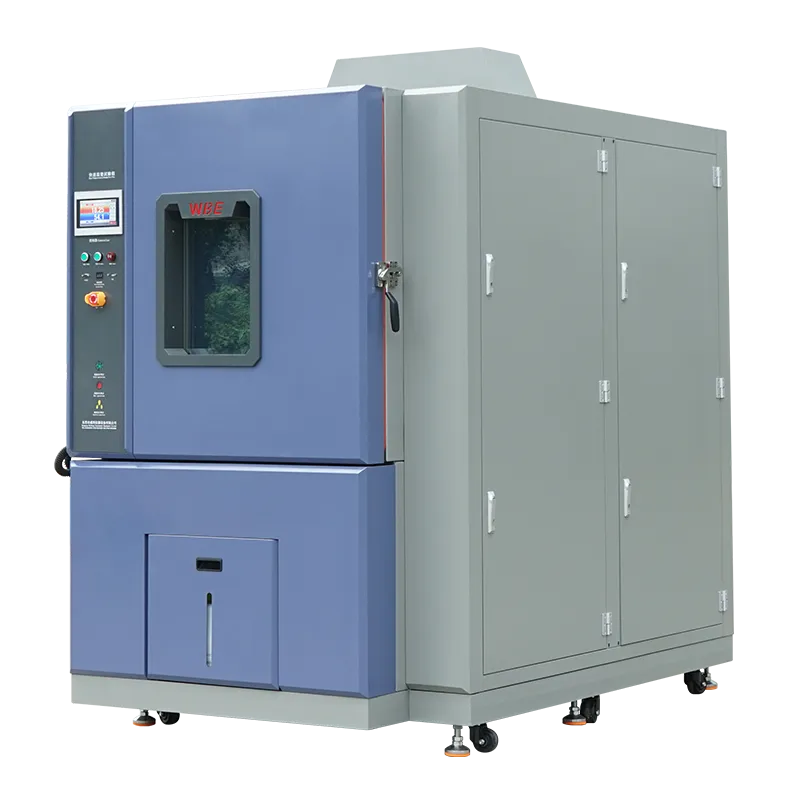
In the fast-paced world of semiconductor manufacturing, ensuring the reliability of integrated circuits is paramount. As components become smaller and more powerful, they also become more susceptible to thermal stress and latent defects.
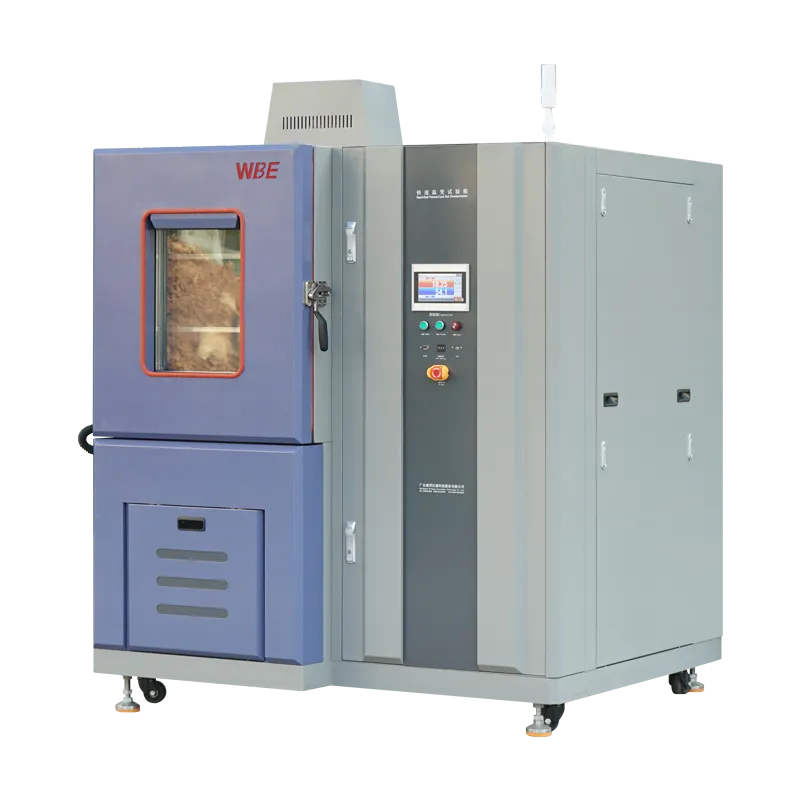
A comprehensive guide to simulation technology, reliability standards, and advanced industrial testing solutions.
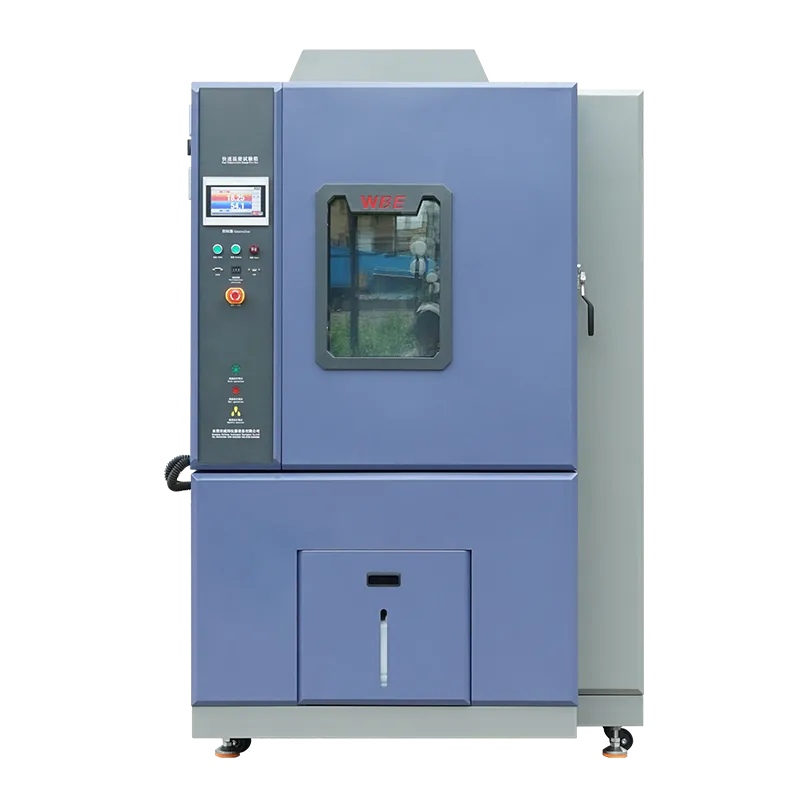
A comprehensive guide to understanding reliability testing through advanced climatic simulation and thermal stress analysis.
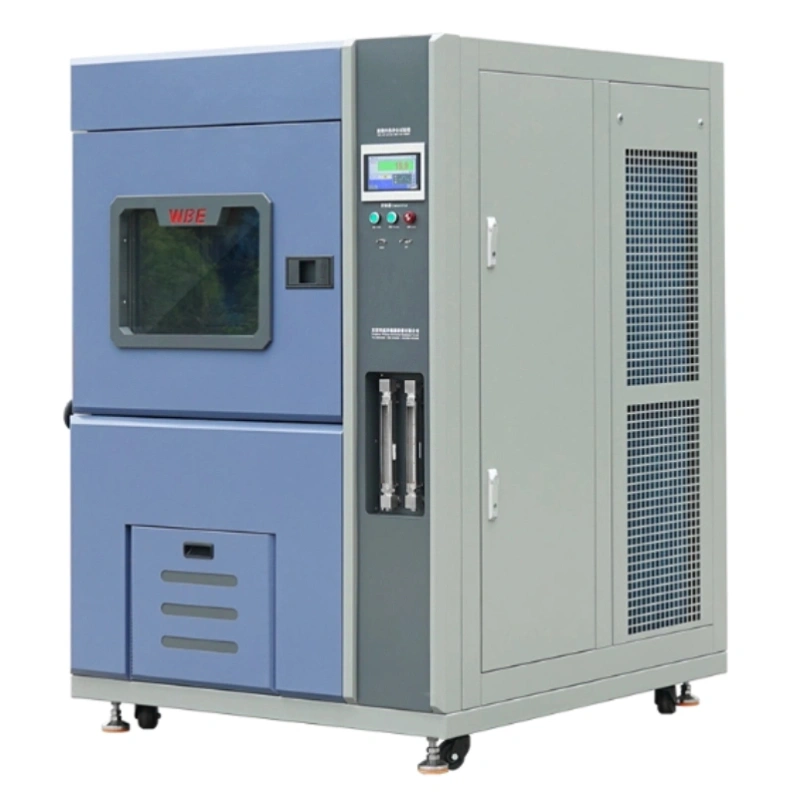
A comprehensive guide to material validation and mechanical performance analysis using state-of-the-art testing technology.
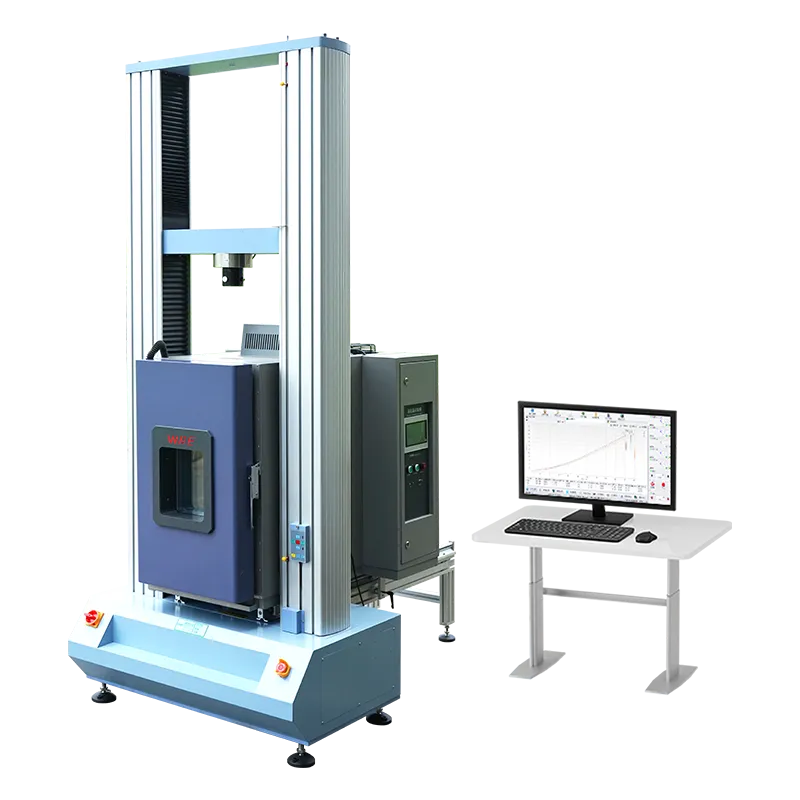
In the contemporary manufacturing landscape, where product lifecycles are shrinking and consumer expectations for quality are skyrocketing, Accelerated Life Testing (ALT) has emerged as a cornerstone of engineering excellence.
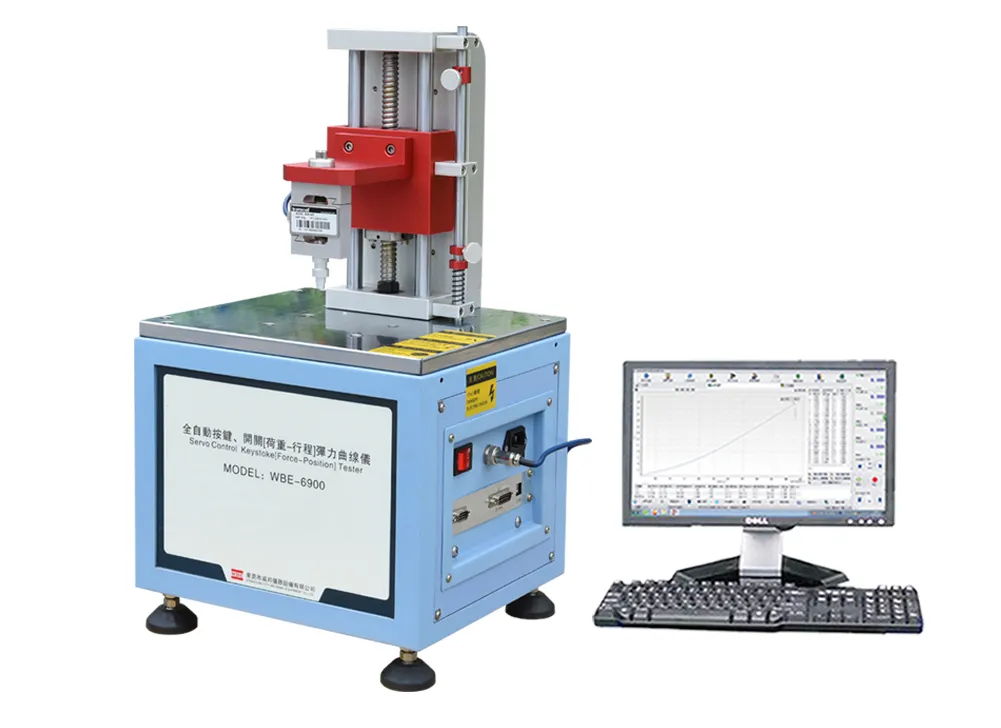
Ensuring the safety, durability, and performance of modern automotive systems through advanced environmental and mechanical simulation.
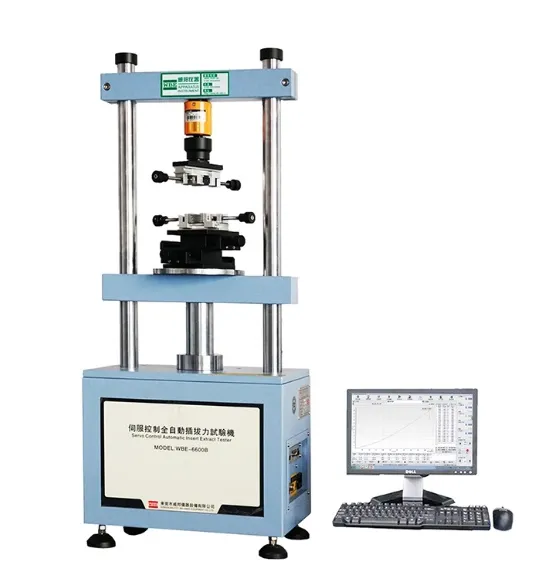
In the modern landscape of high-precision electronics manufacturing, reliability is the cornerstone of brand reputation and consumer safety. As devices become smaller, more powerful, and integrated into critical infrastructure like automotive sensors and aerospace avionics, they are subjected to increasingly harsh environmental conditions.
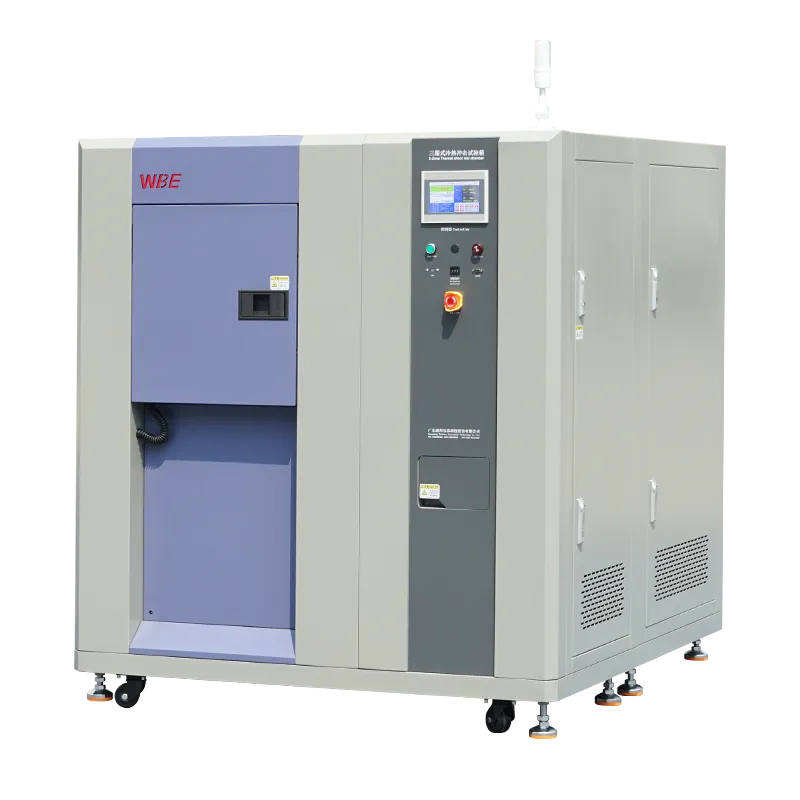
In the rapidly evolving landscape of electronics manufacturing, reliability is the cornerstone of brand reputation and consumer safety.
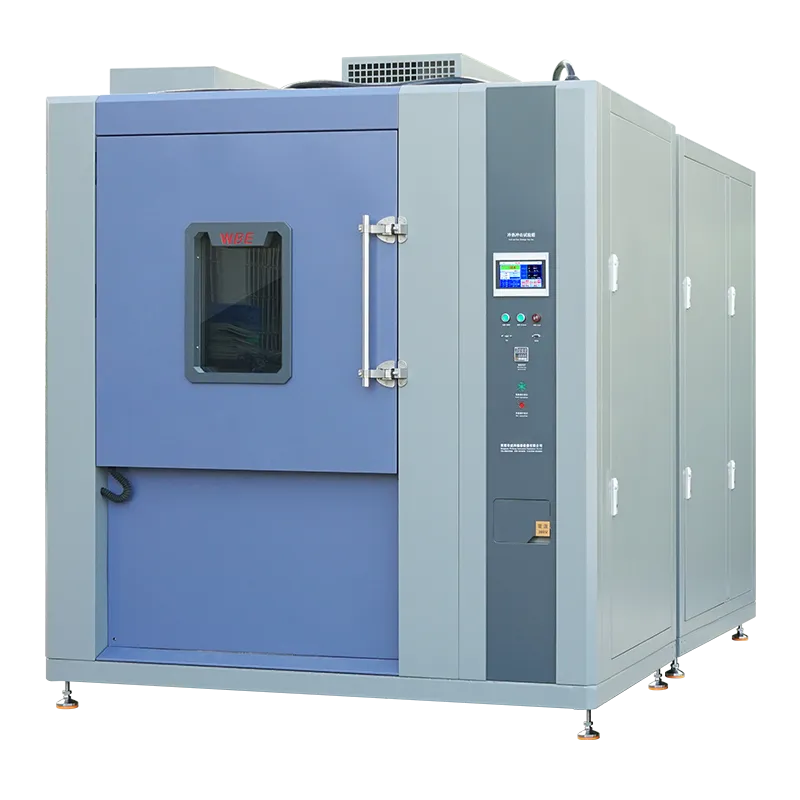
In the modern manufacturing landscape, particularly within the semiconductor and microelectronics sectors, the demand for precision has reached unprecedented levels. As components shrink in size, the forces required to validate their mechanical integrity become increasingly subtle.
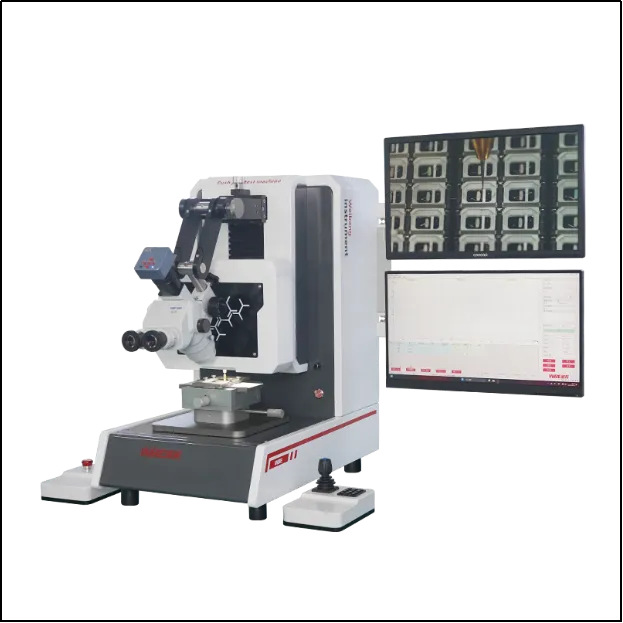
A comprehensive guide to ensuring mechanical integrity, terminal crimp strength, and connection reliability in modern electronics and automotive industries.
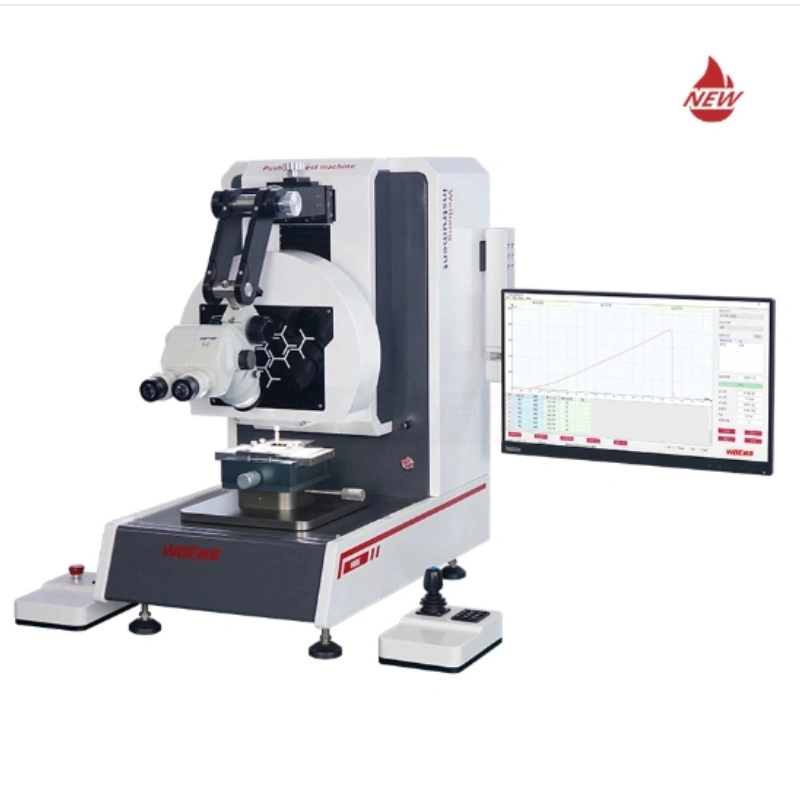
A comprehensive guide to understanding the intersection of material science, regulatory compliance, and precision mechanical analysis.
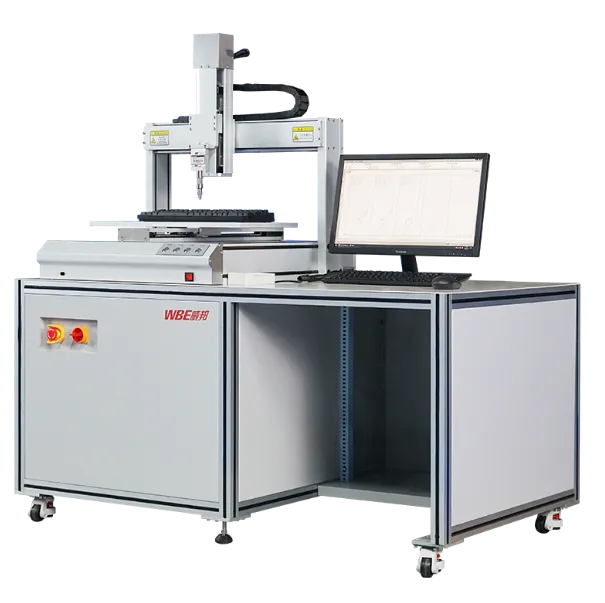
A comprehensive guide to ensuring structural integrity and material reliability in the modern automotive manufacturing landscape.
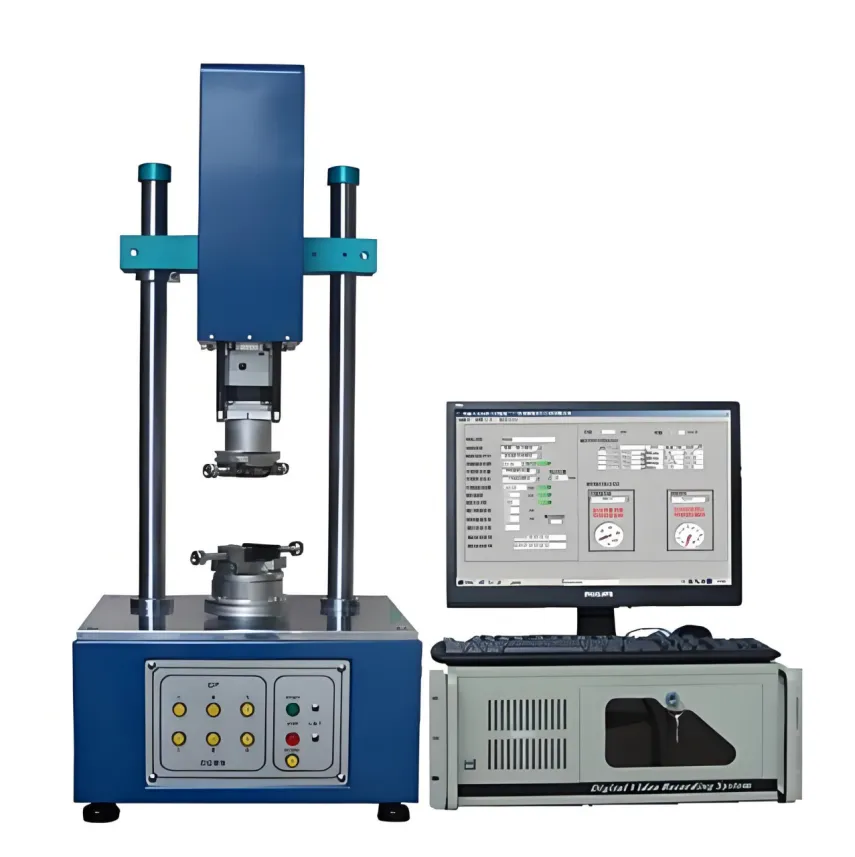
In the modern manufacturing landscape, ensuring product reliability under extreme conditions is not just an advantage but a necessity. Factories dealing with large-scale components, such as automotive parts, aerospace modules, or bulk electronics, often require specialized testing environments.
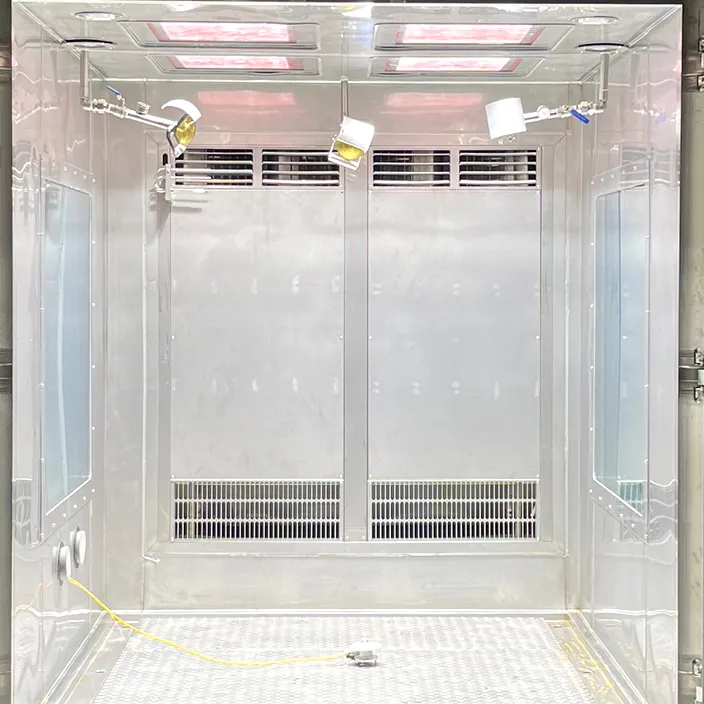
As the global transition toward renewable energy accelerates, the demand for high-capacity energy storage solutions has reached unprecedented levels. At the heart of this transition lie complex battery packs and Energy Storage Systems (ESS), which must operate reliably under diverse and often extreme climatic conditions.
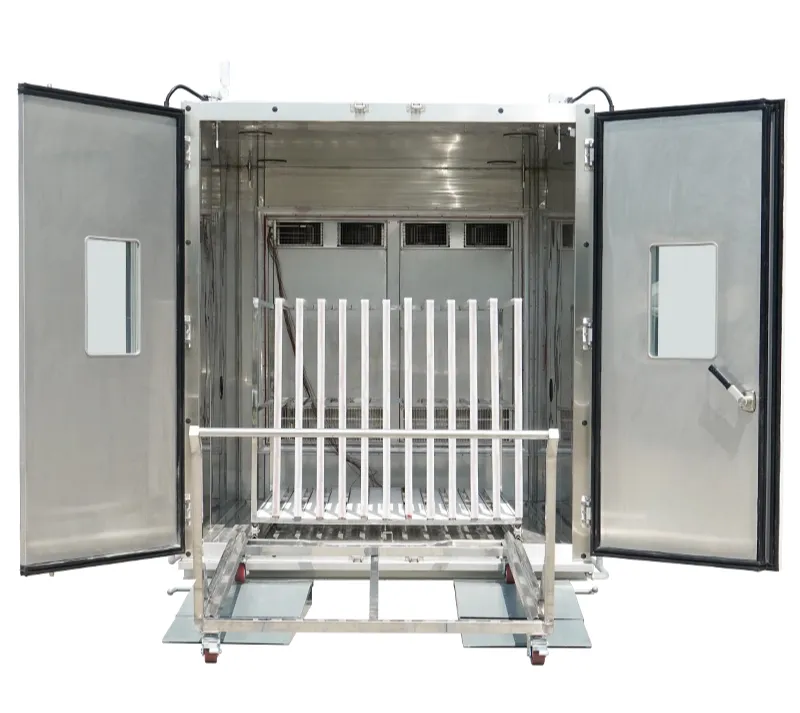
In the modern industrial landscape, product reliability is not just a preference but a prerequisite for market success. For sectors such as aerospace, automotive, and semiconductor manufacturing, the ability to withstand extreme thermal fluctuations is critical.
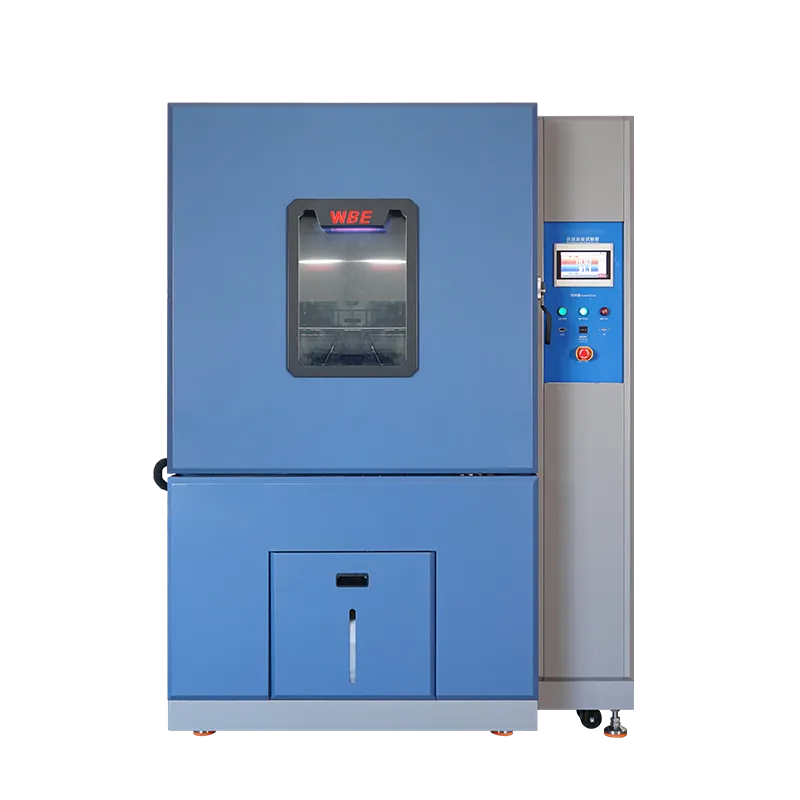
In the contemporary landscape of high-reliability manufacturing, the ability to predict and prevent field failures is paramount. As electronic components become more densely packed and materials more complex, traditional steady-state temperature testing is often insufficient.
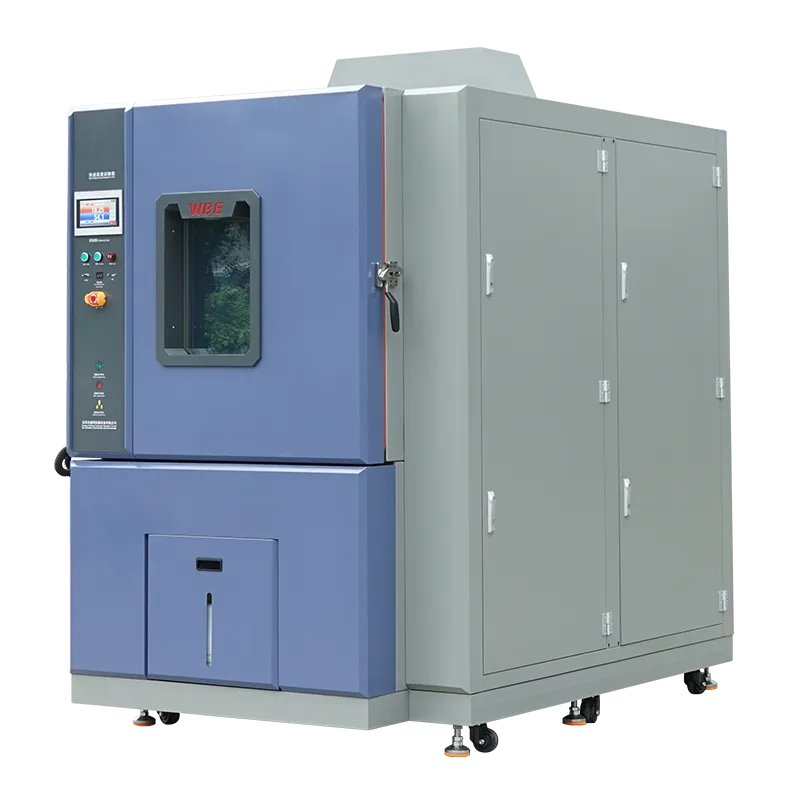
In the modern manufacturing landscape, ensuring product durability under diverse atmospheric conditions is no longer optional; it is a critical requirement for global market entry. Environmental test chambers serve as the cornerstone of this validation process, allowing engineers to simulate extreme conditions within a controlled laboratory setting.
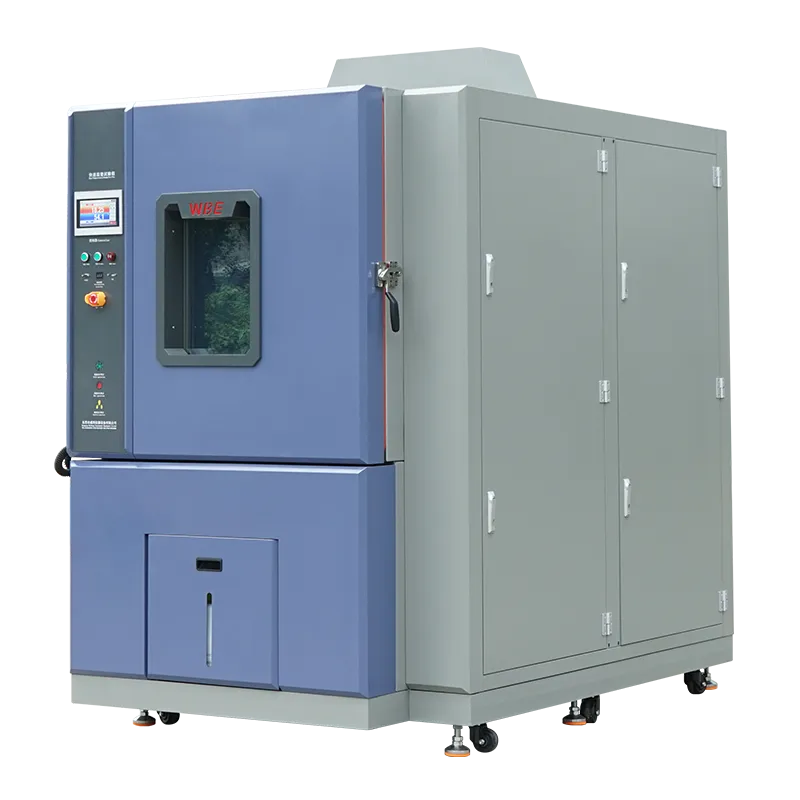
In the modern manufacturing landscape, the durability and reliability of a product are no longer just competitive advantages; they are fundamental requirements for market survival.
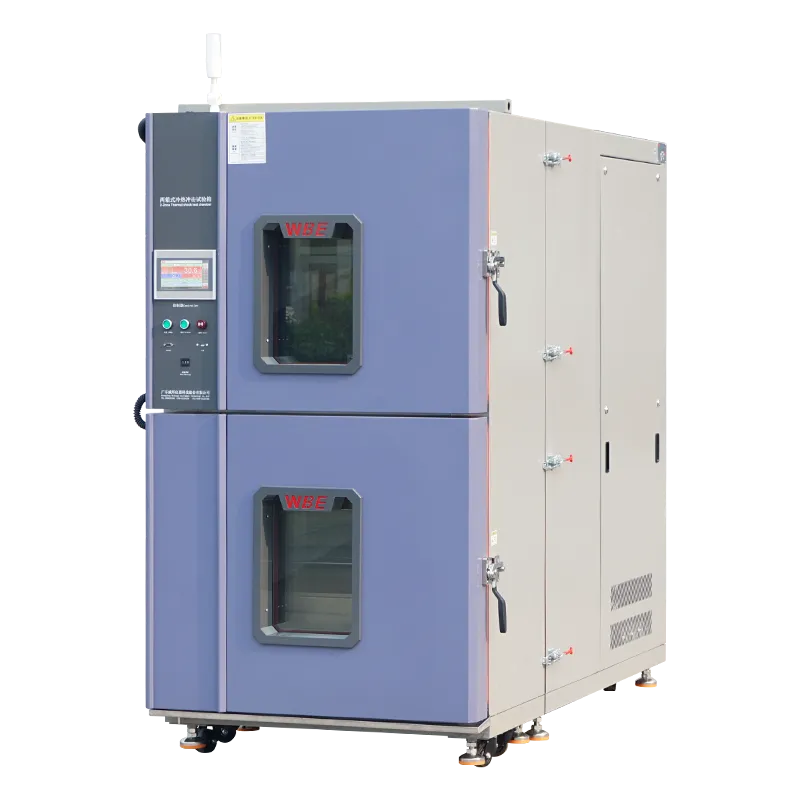
Understanding material strength and performance is crucial for product design, manufacturing, and quality control. The Universal Testing Machine (UTM) is a versatile and essential tool for evaluating the mechanical properties of materials, including tensile, compressive, bending, and shear strength. By providing precise and repeatable measurements, UTMs enable manufacturers and researchers to ensure that materials and components meet required specifications.
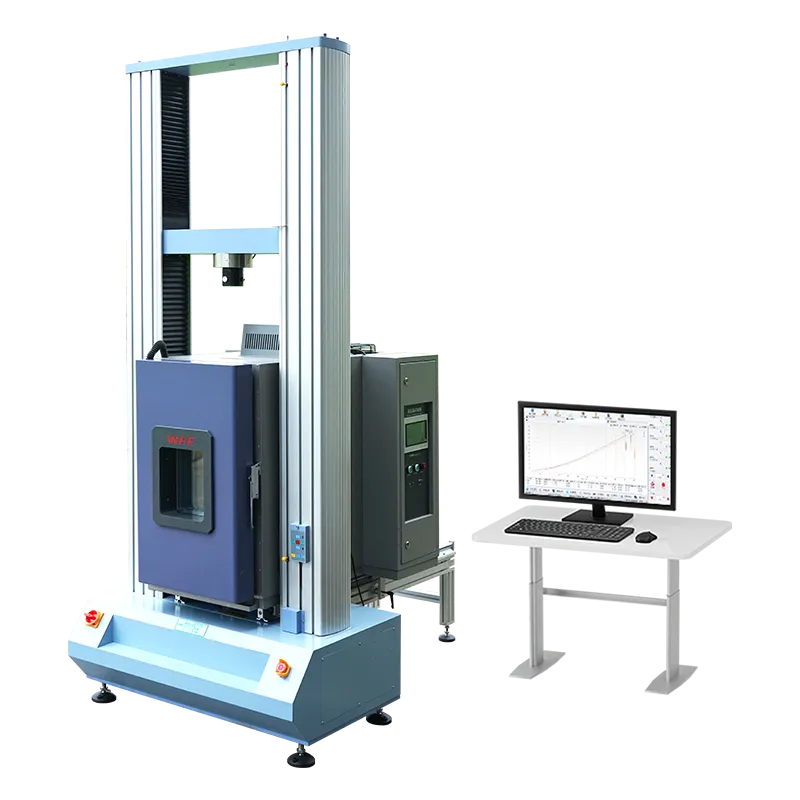
A Universal Testing Machine (UTM) is a fundamental tool for evaluating the mechanical properties of materials and components, including tensile, compressive, bending, and shear strength. Accurate and reliable results are crucial for product design, quality control, and compliance with industry standards. Proper calibration and accuracy improvement methods are essential to ensure that UTMs deliver precise and repeatable measurements.
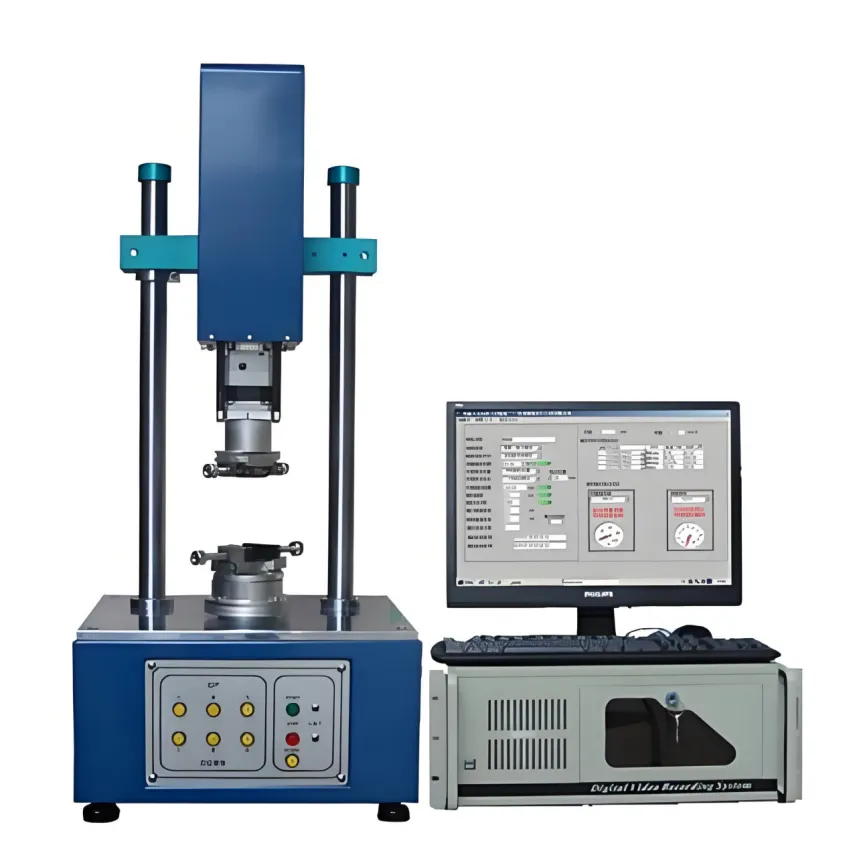
Ensuring long-term product durability is a key challenge for manufacturers in electronics, automotive, aerospace, and industrial sectors. Products must withstand mechanical stress, temperature fluctuations, humidity, vibration, and other environmental factors over extended periods. Reliability Testing Equipment provides controlled testing environments to simulate these real-world stresses and evaluate product performance, allowing manufacturers to improve quality, durability, and customer satisfaction.
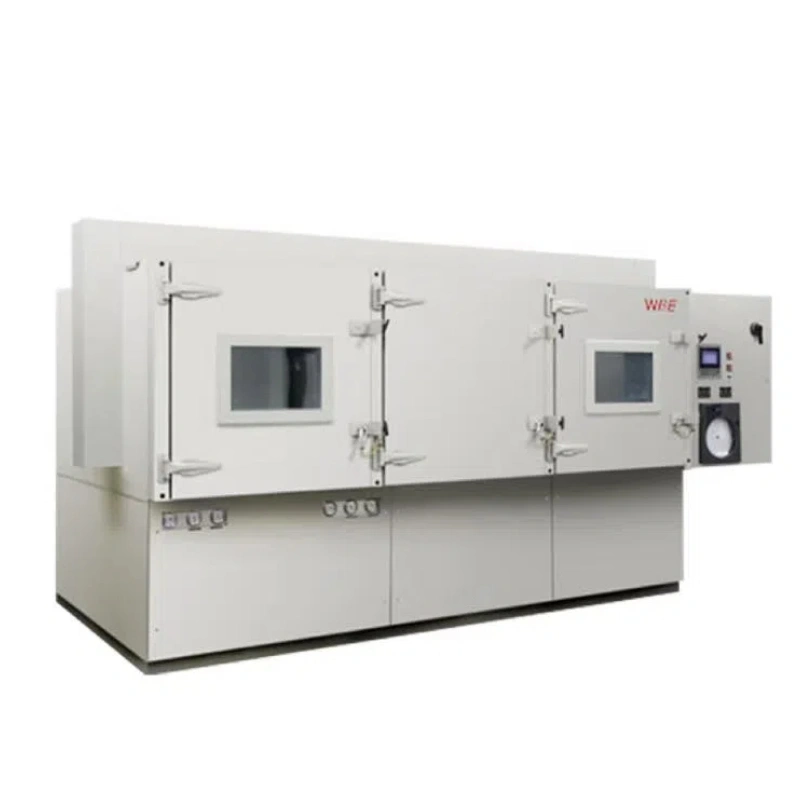
In the fast-paced world of electronics manufacturing, product reliability is critical for customer satisfaction, safety, and long-term performance. Electronic components and assemblies must withstand various stresses, including mechanical forces, temperature fluctuations, humidity, and vibration. Reliability Testing Equipment plays a pivotal role in evaluating and ensuring product durability throughout the design and manufacturing process.
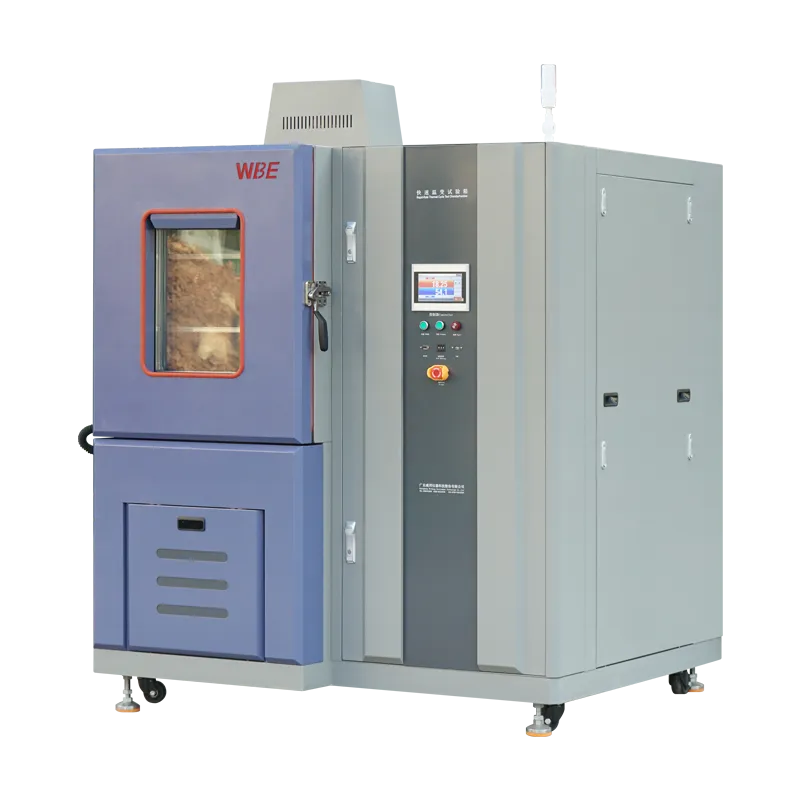
In industrial testing, both Thermal Shock Test Chambers and Environmental Test Chambers are essential for evaluating product performance under varying conditions. While both simulate environmental stress, they serve different purposes and testing requirements. Understanding their key differences helps manufacturers select the right equipment for quality control, reliability testing, and product development.
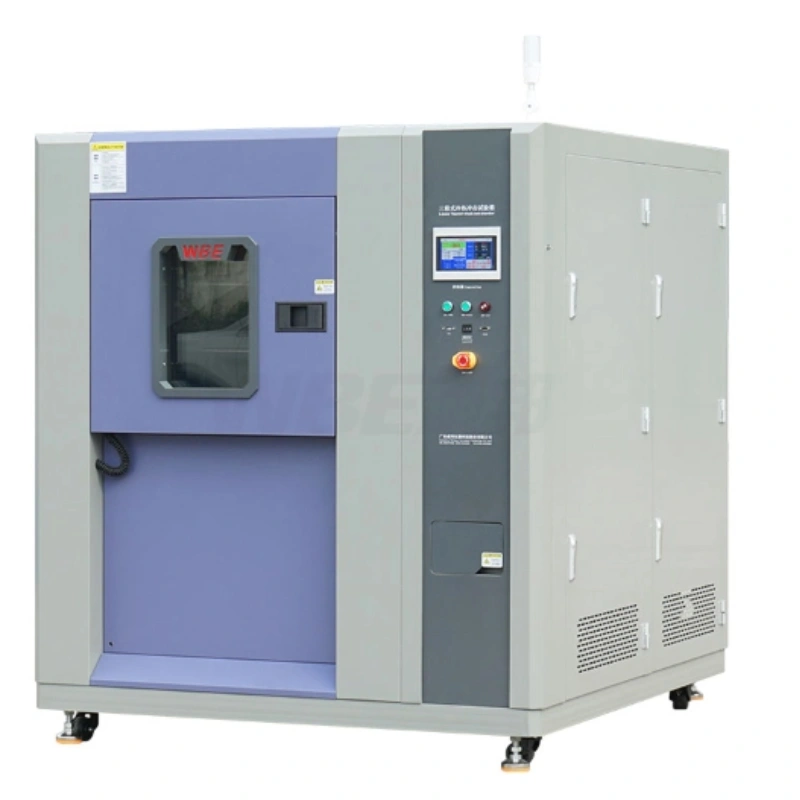
In modern manufacturing, products are often exposed to extreme and rapidly changing environmental conditions. Electronics, automotive components, aerospace modules, and industrial equipment must maintain performance under these stresses. Thermal Shock Test Chambers are essential for assessing product durability, simulating rapid temperature changes, and ensuring long-term reliability.
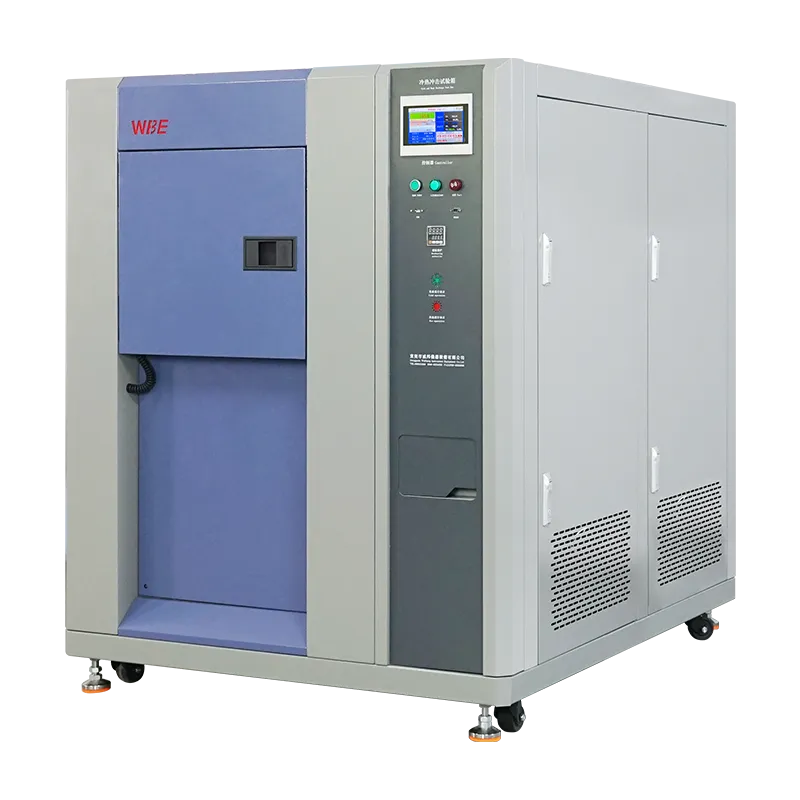
In the semiconductor and electronics industry, component reliability and connection integrity are critical. Devices such as connectors, cables, terminals, and microelectronic modules must withstand repeated mechanical stresses during manufacturing, assembly, and operational use. Push-pull Testing Machines play a vital role in evaluating the mechanical strength and durability of these components, helping manufacturers ensure quality, safety, and performance.