


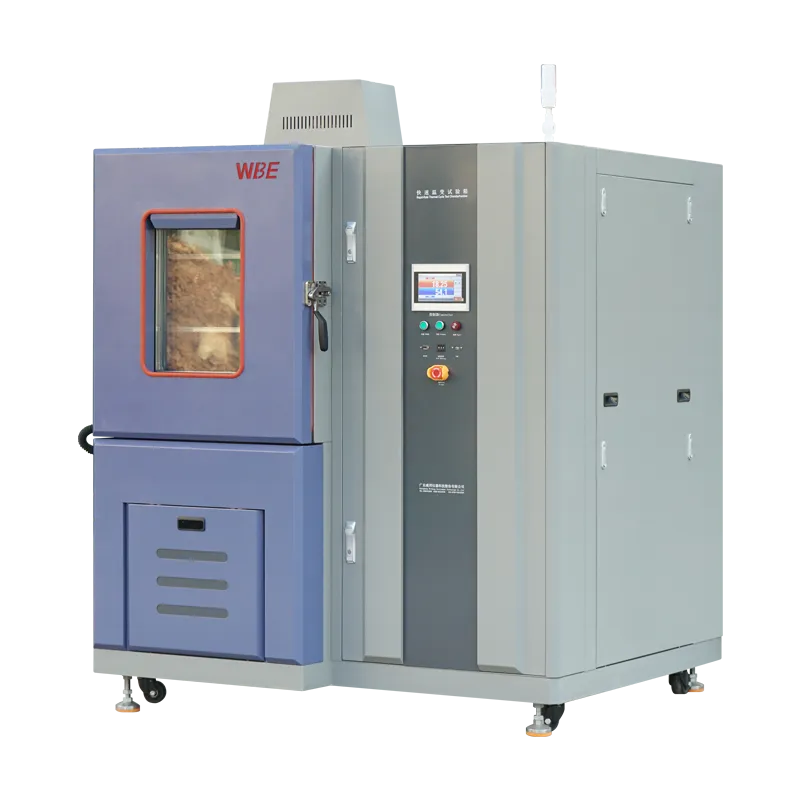
In the fast-paced world of electronics manufacturing, product reliability is critical for customer satisfaction, safety, and long-term performance. Electronic components and assemblies must withstand various stresses, including mechanical forces, temperature fluctuations, humidity, and vibration. Reliability Testing Equipment plays a pivotal role in evaluating and ensuring product durability throughout the design and manufacturing process.
This article explains the types, applications, and benefits of reliability testing equipment used in electronics manufacturing.
Importance of Reliability Testing in Electronics
Electronic devices are subject to multiple stress factors during production and operation. Failures in connectors, circuit boards, or assemblies can lead to:
- Device malfunction or signal loss
- Reduced product lifespan
- Safety hazards for consumers
- Costly warranty claims and recalls
Reliability testing identifies weak points early, enabling manufacturers to improve product design, material selection, and assembly processes. This ensures consistent quality, compliance with industry standards, and customer trust.
Common Reliability Testing Equipment in Electronics Manufacturing
1. Thermal Shock Test Chambers
Thermal shock chambers rapidly alternate products between high and low temperatures to simulate extreme thermal stress. This testing identifies weaknesses in solder joints, connectors, and PCB assemblies.
Applications:
- Electronic connectors
- Circuit boards
- Semiconductor modules
Benefits:
- Detects failure points caused by rapid temperature changes
- Accelerates product life testing and failure analysis
2. Environmental Test Chambers
Environmental test chambers provide controlled temperature, humidity, and sometimes vibration conditions for long-term exposure testing.
Applications:
- Consumer electronics
- Automotive electronic modules
- Industrial control systems
Benefits:
- Simulates real-world environmental conditions
- Evaluates product endurance and reliability
- Supports regulatory and industry compliance
3. Push-Pull Testing Machines
Push-pull testing machines measure the tensile and compressive strength of connectors, terminals, and assemblies. They are critical for ensuring mechanical integrity.
Applications:
- Wire-to-board and board-to-board connectors
- Cable and terminal assemblies
- PCB-mounted components
Benefits:
- Provides precise measurement of insertion and extraction forces
- Detects weak connections or mechanical failure risks
- Ensures compliance with IEC, UL, and automotive connector standards
4. Vibration Testing Equipment
Vibration testing equipment simulates operational stress by subjecting products to oscillating forces, evaluating structural integrity and component attachment.
Applications:
- Automotive and aerospace electronics
- PCB assemblies and connectors
- Portable consumer devices
Benefits:
- Identifies mechanical weaknesses under vibration
- Reduces in-field failures due to shocks or transportation
5. Universal and Mechanical Testing Machines
Universal Testing Machines (UTM) and other mechanical testers evaluate tensile, compressive, bending, and shear strength of materials and components.
Applications:
- Electronic enclosures
- PCB substrates
- Small mechanical assemblies
Benefits:
- Accurate measurement of material and assembly properties
- Supports design verification and quality control
Benefits of Reliability Testing Equipment
- Enhanced Product Quality: Detects defects before products reach the market.
- Reduced Warranty Costs: Early identification of potential failures lowers in-field repair rates.
- Compliance Assurance: Helps meet ISO, IEC, and other industry standards.
- Improved Design and Manufacturing: Provides data for process optimization and material selection.
- Customer Confidence: Reliable products enhance brand reputation and market competitiveness.
Reliability testing equipment is integral to achieving consistent, high-quality electronics manufacturing.
About WBE Instrument Technology
Guangdong WBE Instrument Technology Co., Ltd. specializes in Reliability Testing Equipment for electronics and industrial applications, including Thermal Shock Test Chambers, Environmental Test Chambers, Push-Pull Testing Machines, Vibration Test Equipment, and Universal Testing Machines.
Serving electronics, automotive, aerospace, and industrial manufacturers, WBE provides advanced solutions for precise, repeatable, and reliable testing. With robust fixtures, programmable cycles, and comprehensive monitoring systems, WBE helps clients enhance product durability, ensure compliance, and deliver high-quality electronics to the market.
FAQ
Q1: What is Reliability Testing Equipment?
Reliability Testing Equipment is used to simulate mechanical, thermal, and environmental stresses on electronic products to assess durability and performance.
Q2: Why is reliability testing important in electronics manufacturing?
It ensures that components and assemblies function properly under real-world conditions, reducing failures and warranty claims.
Q3: Which equipment is commonly used for electronic reliability testing?
Thermal Shock Test Chambers, Environmental Test Chambers, Push-Pull Testing Machines, Vibration Testing Equipment, and Universal Testing Machines.
Q4: How does push-pull testing improve connector reliability?
It measures insertion and extraction forces, identifying potential mechanical weaknesses before product assembly.
Q5: Can reliability testing equipment accelerate product development?
Yes, by providing data on material and component performance, manufacturers can optimize design and manufacturing processes for faster, more reliable product development.