


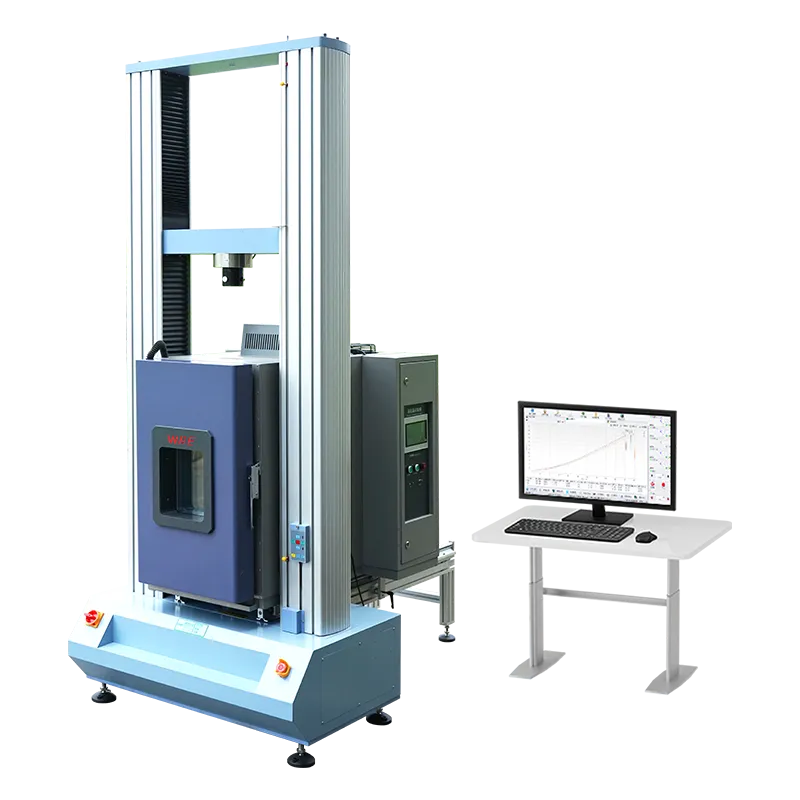
Material strength testing is a fundamental process in engineering, manufacturing, and research industries. Understanding how materials behave under tension, compression, bending, or shear is crucial for ensuring product safety, durability, and performance. Mechanical Testing Machines are essential tools for evaluating material properties, providing precise data to guide design, production, and quality control.
This article introduces the main types of mechanical testing machines used for material strength evaluation, their applications, and benefits in modern industrial testing.
Importance of Mechanical Testing Machines
Mechanical testing machines are designed to apply controlled forces to materials and components while measuring their responses. These tests help determine critical properties such as:
- Tensile Strength – the maximum stress a material can withstand under stretching
- Compression Strength – the material’s resistance to crushing or deformation
- Flexural Strength – the ability to resist bending forces
- Shear Strength – the ability to resist sliding failure along a plane
Accurate material testing ensures that products meet engineering specifications, industry standards, and safety requirements, reducing the risk of failures in real-world applications.
Common Types of Mechanical Testing Machines
1. Universal Testing Machine (UTM)
The Universal Testing Machine is the most versatile mechanical testing device, capable of performing multiple tests, including tension, compression, and bending.
Key Features:
- High precision load cells and sensors
- Programmable testing cycles for various materials
- Data acquisition and analysis software
Applications:
- Metals, plastics, and composites testing
- Quality control in manufacturing
- R&D for new material development
The UTM provides comprehensive insights into material properties, making it a staple in laboratories and industrial quality control departments.
2. Push-Pull Testing Machine
Push-pull testing machines are designed to evaluate tensile and compressive forces on specific components or assemblies.
Key Features:
- Adjustable grips for different sample sizes
- Digital force measurement and display
- Simple yet robust design
Applications:
- Cable and connector testing
- Fasteners, bolts, and rivets evaluation
- Small-scale assembly component strength tests
Push-pull testing machines are widely used in industries such as electronics, automotive, and aerospace for fast and reliable material evaluation.
3. Compression Testing Machine
Compression testing machines focus on crushing or compressive strength of materials.
Key Features:
- High-capacity loading frames
- Precise displacement and force measurement
- Safety mechanisms for high-load tests
Applications:
- Concrete and cement block testing
- Metal forging and plastic component evaluation
- Industrial packaging material testing
These machines help engineers understand how materials behave under high-pressure conditions.
4. Bend or Flexural Testing Machine
Flexural testing machines measure resistance to bending forces, particularly for beams, plates, or thin materials.
Key Features:
- Adjustable span lengths and supports
- Digital measurement of force and deflection
- Programmable bending rates
Applications:
- Composite and plastic panel testing
- Metal sheet and strip evaluation
- Structural component design verification
Flexural testing ensures materials can withstand bending loads without cracking or permanent deformation.
5. Shear Testing Machine
Shear testing machines are specialized for shear strength evaluation, critical in joints, adhesives, and layered materials.
Key Features:
- Configurable shear fixtures
- Accurate force measurement
- Integrated data logging
Applications:
- Adhesive bonding testing
- Sheet metal and laminate evaluation
- Industrial fasteners and connector strength analysis
Shear testing helps ensure the integrity of assembled structures under lateral loads.
Benefits of Using Mechanical Testing Machines
- Accurate Material Property Data – ensures compliance with engineering specifications and safety standards
- Versatile Testing Capabilities – multiple machines allow testing of different forces and sample types
- Quality Control – early detection of defects or weaknesses reduces failure rates
- Support for R&D – facilitates development of new materials and products with optimized strength properties
- Data-Driven Decision Making – provides engineers with precise measurements for design and process improvements
Mechanical testing machines play an essential role in the lifecycle of materials and components, from research and development to production quality assurance.
About WBE Instrument Technology
Guangdong WBE Instrument Technology Co., Ltd. is a professional manufacturer of testing equipment for industrial, electronics, and material testing applications. Since 1995, WBE has supplied advanced Mechanical Testing Machines, including Universal Testing Machines, Push-Pull Testing Machines, Compression Machines, and Flexural Testing Machines.
WBE serves industries such as automotive, aerospace, electronics, and construction, providing precise, reliable testing solutions. With experienced R&D support and customizable equipment, WBE helps clients ensure accurate material evaluation, enhanced product quality, and compliance with international standards.
FAQ
Q1: What is a Mechanical Testing Machine?
A Mechanical Testing Machine applies controlled forces to materials or components to measure properties such as tensile, compressive, bending, or shear strength.
Q2: What is a Universal Testing Machine used for?
A Universal Testing Machine performs tension, compression, and bending tests on various materials, making it ideal for R&D and quality control.
Q3: What industries use Push-Pull Testing Machines?
Electronics, automotive, and aerospace industries use push-pull machines to test cables, connectors, fasteners, and small assembly components.
Q4: Why is shear testing important?
Shear testing evaluates lateral strength, ensuring adhesives, laminates, and joints can withstand operational loads.
Q5: How often should mechanical testing machines be calibrated?
Calibration should follow manufacturer guidelines and industry standards to maintain accuracy and reliability in test results.