


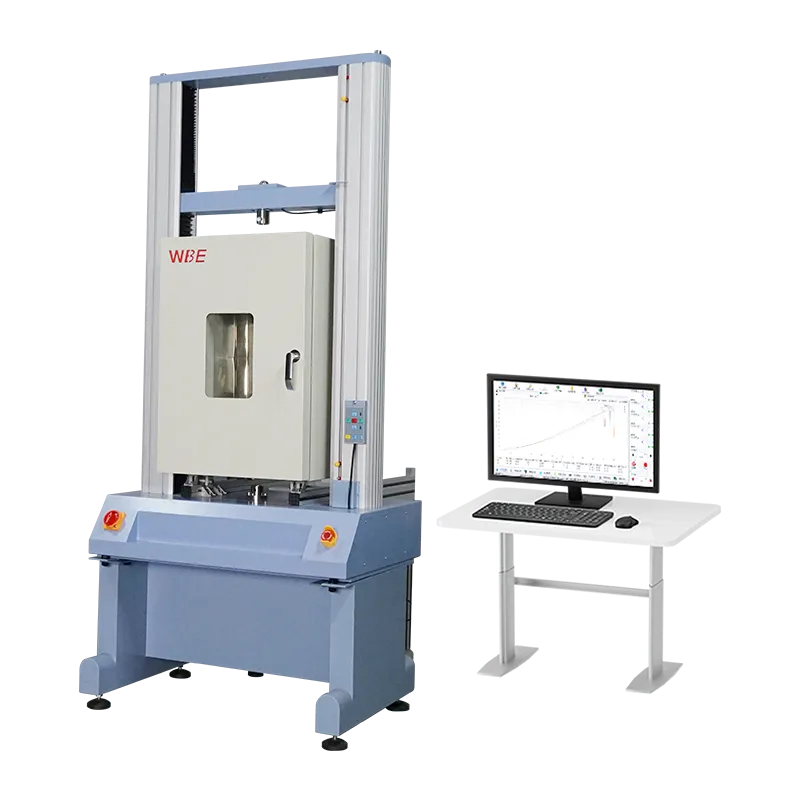
In modern manufacturing and engineering, ensuring product quality is essential for safety, reliability, and customer satisfaction. Materials and components must meet strict specifications and perform under operational stress. Mechanical Testing Machines play a pivotal role in quality control by providing precise measurements of mechanical properties and verifying compliance with engineering standards.
This article explores how mechanical testing machines enhance product quality control, their applications, and the benefits they bring to industries ranging from automotive to electronics and construction.
The Role of Mechanical Testing in Quality Control
Mechanical testing machines evaluate how materials and components respond to various forces, including tension, compression, bending, and shear. By simulating real-world conditions, these machines identify weaknesses, defects, or inconsistencies in production, ensuring only reliable products reach the market.
Key objectives of mechanical testing in quality control include:
- Verifying material strength and durability
- Detecting production defects early
- Ensuring compliance with industry standards
- Reducing product failures and warranty claims
By integrating mechanical testing into quality control workflows, manufacturers gain confidence in the performance and safety of their products.
Types of Mechanical Testing Machines for Quality Control
Several types of mechanical testing machines are commonly used in quality control processes:
1. Universal Testing Machines (UTM)
Universal Testing Machines are versatile devices capable of performing tensile, compression, and bending tests. They provide detailed data on material properties and are widely used to verify product compliance during production.
Applications:
- Metals, plastics, and composites testing
- Quality control for automotive and aerospace components
- Research and development for new material formulations
2. Push-Pull Testing Machines
Push-pull machines measure tensile and compressive forces on components or assemblies. They are particularly effective for testing fasteners, connectors, and small mechanical parts.
Applications:
- Cable and connector testing
- Automotive component evaluation
- Electronics assembly quality verification
3. Compression Testing Machines
Compression machines evaluate the ability of materials or products to withstand crushing forces. They are crucial for packaging, concrete blocks, and structural components testing.
Applications:
- Industrial machinery components
- Construction materials such as cement and concrete
- Packaging material evaluation
4. Flexural and Shear Testing Machines
Flexural testing machines measure bending resistance, while shear testing machines evaluate lateral strength. Both types are essential for assessing structural integrity in laminated, composite, or layered materials.
Applications:
- PCB and electronic component testing
- Composite materials in automotive and aerospace industries
- Adhesive and laminate bonding verification
How Mechanical Testing Machines Improve Product Quality Control
1. Accurate Material Evaluation
Mechanical testing machines provide precise measurements of strength, elasticity, and durability. Accurate data allows engineers to compare materials against design specifications and industry standards.
2. Early Defect Detection
Testing at the material or component level identifies weaknesses or inconsistencies before assembly or shipping. Early detection reduces waste, rework, and costly field failures.
3. Compliance with Industry Standards
Mechanical testing ensures products meet international quality standards such as ISO, ASTM, or IEC. Compliance guarantees reliability and enhances brand reputation.
4. Data-Driven Process Improvement
Test results guide production process optimization. Engineers can adjust material selection, manufacturing techniques, or assembly processes to improve product performance and consistency.
5. Enhanced Product Safety
By verifying mechanical properties and detecting potential failures, mechanical testing machines enhance overall product safety, reducing the risk of accidents or malfunctions.
Benefits Across Industries
Mechanical testing machines contribute to quality control in multiple sectors:
- Automotive: Ensuring structural integrity, component strength, and crashworthiness
- Aerospace: Testing materials and components for extreme environmental conditions
- Electronics: Evaluating connectors, PCBs, and assemblies for durability
- Construction and Packaging: Assessing materials for strength, stability, and load-bearing capacity
By integrating mechanical testing into production lines, companies can consistently deliver reliable and high-quality products to customers.
About WBE Instrument Technology
Guangdong WBE Instrument Technology Co., Ltd. is a leading provider of mechanical and environmental testing equipment. Since 1995, WBE has supplied precise and reliable Mechanical Testing Machines, including Universal Testing Machines, Push-Pull Testing Machines, Compression Machines, Flexural Machines, and Shear Testing Machines.
Serving industries such as automotive, aerospace, electronics, and construction, WBE ensures accurate material evaluation, effective quality control, and improved product reliability. With advanced control systems, customizable solutions, and expert technical support, WBE helps manufacturers optimize testing workflows and maintain consistent product standards.
FAQ
Q1: What is the role of a Mechanical Testing Machine in quality control?
Mechanical Testing Machines measure material strength, elasticity, and durability to ensure components and products meet specifications and industry standards.
Q2: Which industries benefit most from mechanical testing machines?
Automotive, aerospace, electronics, construction, and industrial manufacturing industries rely on mechanical testing for quality control and safety verification.
Q3: How do mechanical testing machines help detect defects?
By simulating real-world forces such as tension, compression, bending, and shear, these machines reveal material weaknesses or inconsistencies before products reach the market.
Q4: Can mechanical testing machines support compliance with international standards?
Yes, they help verify products against ISO, ASTM, IEC, and other industry standards, ensuring reliability and regulatory compliance.
Q5: How do mechanical testing machines improve product safety?
By identifying weaknesses and ensuring materials meet design and strength requirements, they reduce the risk of failures, accidents, or malfunctions in the field.