


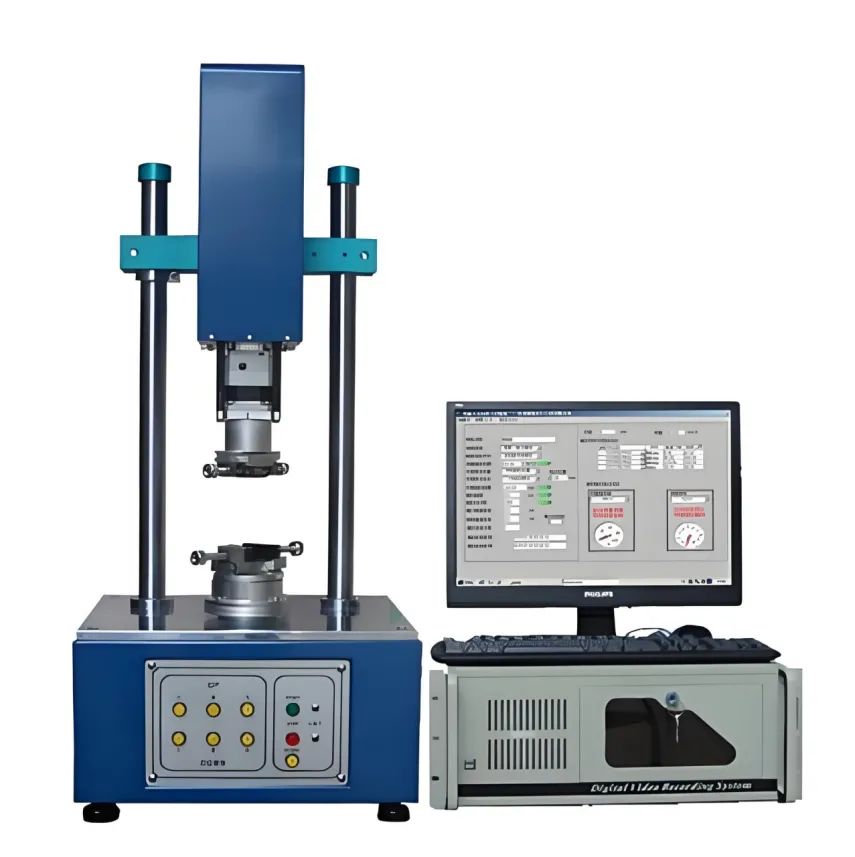
A Universal Testing Machine (UTM) is a fundamental tool for evaluating the mechanical properties of materials and components, including tensile, compressive, bending, and shear strength. Accurate and reliable results are crucial for product design, quality control, and compliance with industry standards. Proper calibration and accuracy improvement methods are essential to ensure that UTMs deliver precise and repeatable measurements.
This article explores the best practices for UTM calibration, methods to enhance accuracy, and the benefits of well-maintained testing equipment.
Importance of Calibration for Universal Testing Machines
Calibration ensures that a UTM provides correct measurements of force, displacement, and other mechanical parameters. Without proper calibration, results can be inaccurate, leading to:
- Incorrect material property evaluation
- Quality control failures
- Design flaws and production issues
- Non-compliance with ISO, ASTM, or other standards
Regular calibration ensures the UTM performs within specified tolerances, providing confidence in test data and supporting reliable product development.
Calibration Methods for Universal Testing Machines
1. Force Calibration
Force calibration involves checking the load cell performance using certified standard weights or calibrated load devices. Key steps include:
- Selecting the correct load range for testing
- Applying known loads and recording readings
- Comparing measured values with reference standards
- Adjusting machine electronics or software to correct deviations
2. Displacement Calibration
Displacement calibration ensures accurate measurement of elongation, compression, or deflection. Methods include:
- Using precision gauge blocks or micrometers
- Measuring crosshead movement and comparing with known distances
- Adjusting the machine’s measurement system if discrepancies are found
3. Crosshead Speed Verification
UTM accuracy depends on consistent crosshead speed during tests. Verification involves:
- Setting the machine to a specified speed
- Using an external timing device or displacement sensor to measure actual speed
- Adjusting control software or hardware to correct deviations
4. Extensometer Calibration
Extensometers provide precise strain measurement. Calibration steps include:
- Using gauge blocks or reference materials with known dimensions
- Verifying strain output against expected values
- Adjusting calibration factors as needed
Accuracy Improvement Methods
1. Routine Maintenance
Regular maintenance prevents mechanical wear and sensor drift. Tasks include:
- Lubricating moving parts
- Checking and tightening fixtures and screws
- Inspecting cables, load cells, and sensors
2. Environmental Control
UTMs are sensitive to temperature, humidity, and vibration. Maintaining a controlled testing environment improves accuracy:
- Stable room temperature
- Low humidity levels
- Isolation from vibrations or shocks
3. Software and Firmware Updates
Modern UTMs rely on software for data acquisition and analysis. Regular updates ensure:
- Corrected algorithms for force and displacement measurement
- Enhanced data processing accuracy
- Improved reporting and traceability
4. Periodic Third-Party Calibration
Certified calibration services provide independent verification of UTM performance. This ensures compliance with international standards and maintains traceability.
Benefits of Proper UTM Calibration and Accuracy Improvement
- Reliable Test Data: Accurate readings ensure valid material and component evaluation.
- Enhanced Quality Control: Helps manufacturers identify defects and verify production standards.
- Compliance Assurance: Meets ISO, ASTM, and other regulatory requirements.
- Extended Equipment Life: Regular maintenance and calibration reduce wear and prolong machine service.
- Customer Confidence: Provides confidence in the reliability and safety of tested products.
Properly calibrated UTMs are critical for precision testing in electronics, automotive, aerospace, and industrial applications.
About WBE Instrument Technology
Guangdong WBE Instrument Technology Co., Ltd. is a leading provider of Universal Testing Machines, Push-Pull Testing Machines, Mechanical Testing Machines, and Environmental Test Chambers.
WBE offers advanced UTMs with high-precision load cells, extensometers, and software for accurate tensile, compressive, and bending tests. With professional calibration services, routine maintenance guidance, and advanced monitoring systems, WBE ensures that testing machines deliver reliable, repeatable, and precise results for materials and components across industries.
FAQ
Q1: How often should a Universal Testing Machine be calibrated?
Calibration is typically recommended annually or whenever accuracy deviations are suspected, depending on usage and industry standards.
Q2: What are the key elements to calibrate in a UTM?
Load cells, crosshead displacement, crosshead speed, and extensometers are the primary elements for calibration.
Q3: How can accuracy be improved in a UTM?
Routine maintenance, environmental control, software updates, and periodic third-party calibration enhance accuracy.
Q4: Why is UTM calibration critical for material testing?
Accurate calibration ensures correct measurement of mechanical properties, supporting reliable product design and quality control.
Q5: Can WBE provide calibration services for UTMs?
Yes, WBE offers professional calibration and maintenance services to ensure UTMs deliver precise and repeatable results.