


Ensuring the safety, durability, and performance of modern automotive systems through advanced environmental and mechanical simulation.
Introduction to Automotive Reliability Challenges
The automotive industry is undergoing a monumental shift toward electrification and autonomous driving. This evolution introduces complex electronic architectures and high-energy battery systems that must operate flawlessly under extreme environmental conditions. To meet these demands, manufacturers must invest in high-precision reliability testing equipment to validate every component, from the smallest semiconductor to the largest EV battery pack. Reliability in the automotive sector is not just a performance metric; it is a fundamental safety requirement that governs consumer trust and regulatory compliance.
Modern vehicles are essentially computers on wheels, exposed to rapid temperature changes, intense vibrations, and corrosive environments. Failure in an Electronic Control Unit (ECU) or a battery management system can lead to catastrophic vehicle failure. Therefore, the implementation of a comprehensive testing protocol using specialized equipment is essential. This guide explores the critical role of environmental stress testing, mechanical validation, and the specific technological requirements for EV components, ensuring they withstand the test of time and terrain.
The Importance of Environmental Stress Testing
Environmental stress testing is the cornerstone of automotive quality assurance. Components such as sensors, infotainment systems, and powertrain controllers must survive temperatures ranging from -40°C to +150°C. Utilizing advanced reliability testing equipment like constant temperature and humidity chambers allows engineers to simulate these life-cycle stresses in a compressed timeframe. By subjecting components to accelerated aging, manufacturers can identify potential failure modes such as material fatigue, moisture ingress, or chemical degradation before the product reaches the mass market.
For large-scale automotive assemblies, walk-in environmental chambers provide the necessary space to test complete systems or large batches of components simultaneously. These chambers are designed to maintain uniform air distribution and precise control over humidity levels, which is vital for preventing condensation-related short circuits in high-voltage electronics. The data gathered from these tests informs design improvements, material selection, and warranty estimates, ultimately reducing the cost of recalls and field failures. In the competitive landscape of the EV market, the ability to demonstrate long-term environmental resilience is a significant market advantage.
Critical Role of Thermal Shock in Automotive Validation
Thermal shock testing is perhaps one of the most rigorous forms of validation for automotive electronics. It involves transferring a component between extreme hot and cold environments within seconds. This rapid transition induces significant mechanical stress due to the varying coefficients of thermal expansion in multi-material assemblies, such as soldered joints on a PCB. High-quality reliability testing equipment, specifically two-slot or three-slot thermal shock chambers, is required to achieve the rapid recovery times mandated by international automotive standards like ISO 16750.
Beyond traditional thermal shock, rapid rate temperature exchange chambers are used to simulate the dynamic operating conditions of a vehicle moving through different climates. These systems can achieve temperature ramp rates of up to 15°C or 20°C per minute. For EV components, which generate significant internal heat during fast charging or high-load driving, understanding how they dissipate heat while external temperatures shift is crucial. Thermal cycling helps in detecting latent defects that might not appear during steady-state testing, ensuring the vehicle remains operational in both arctic and desert conditions.
Specialized Testing for Electric Vehicle (EV) Batteries
The battery pack is the most critical and hazardous component of an electric vehicle. Testing EV batteries requires a unique class of reliability testing equipment that integrates advanced safety features. Explosion-proof high and low temperature test chambers are mandatory to handle risks such as thermal runaway, gas venting, or fire during stress tests. These chambers are equipped with pressure relief ports, fire suppression systems, and specialized gas sensors to protect the laboratory environment and personnel while pushing the battery cells to their limits.
In addition to thermal safety, EV batteries must undergo high-altitude (low pressure) simulation and vibration testing. As vehicles travel over mountainous regions or are transported by air, the change in atmospheric pressure can affect the integrity of battery seals and cooling systems. Combined environmental chambers, which integrate temperature, humidity, and vibration, offer a holistic approach to battery validation. This "three-comprehensive" testing ensures that the structural housing and electrical connections can withstand the constant jarring of road travel while managing extreme thermal loads, providing a comprehensive safety profile for the end-user.
Mechanical Integrity and Push-Pull Testing for Microelectronics
While environmental chambers handle external stresses, mechanical testing machines address the structural integrity of the electronics themselves. Automotive grade semiconductors and connectors are subject to intense vibration and mechanical shock. Push-pull testing machines are used to evaluate the bonding strength of wires and the shear strength of chips on the PCB. As automotive electronics become more miniaturized, the precision required in mechanical validation increases. These tests ensure that the interconnections within a vehicle's computer systems will not vibrate loose or crack over years of operation.
Force-displacement analysis and torque testing are also essential for user-interface components like buttons, knobs, and touchscreen assemblies. Ensuring a consistent tactile feel and durable mechanical response is part of the perceived quality of a vehicle. By utilizing high-accuracy mechanical reliability testing equipment, manufacturers can guarantee that every solder joint and mechanical switch meets the high-durability requirements of the automotive industry, preventing intermittent electrical failures that are notoriously difficult to diagnose in the field.
Professional Reliability Solutions by WBE
At WBE, we specialize in providing world-class reliability testing equipment tailored for the rigorous demands of the automotive and EV sectors. With years of expertise in environmental simulation, our equipment is designed to help manufacturers achieve international quality certifications and ensure product longevity. Our commitment to innovation and safety makes us a trusted partner for top-tier automotive suppliers and semiconductor manufacturers worldwide.
Our diverse product portfolio includes high-performance solutions such as:
- Thermal Shock Chambers: Explore our thermal shock test chambers for rapid temperature transition testing.
- Battery Safety Testing: Our explosion-proof battery chambers are essential for EV battery validation.
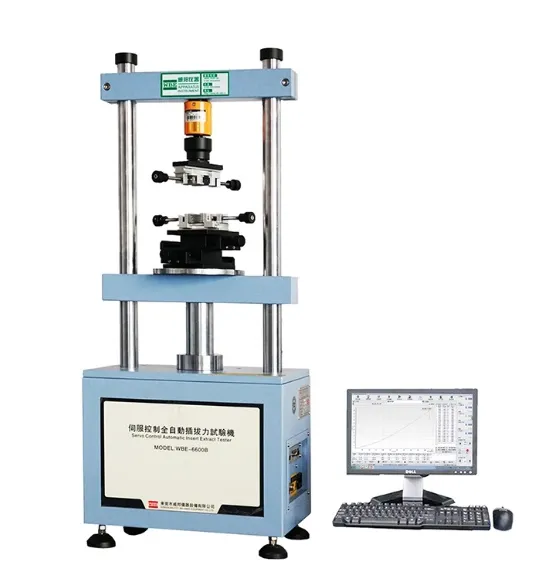
- Mechanical Strength: High-precision push and pull testing machines for microelectronics and semiconductors.
- Environmental Chambers: A full range of high and low temperature humidity test chambers for comprehensive stress testing.
Choosing WBE means investing in precision, safety, and expert technical support. We understand the nuances of automotive testing standards and provide customized solutions to meet specific laboratory requirements. Whether you are testing small sensors or large EV battery modules, WBE has the technology to help you succeed.
Conclusion
The future of the automotive industry relies on the reliability of its complex electronic and electrical systems. As technology advances, the benchmarks for safety and durability will only become more stringent. Implementing robust reliability testing equipment is the only way to ensure that these innovations can withstand the harsh realities of the road. From thermal shock to mechanical stress, every test performed is a step toward a safer and more efficient transportation ecosystem.
By partnering with experts like WBE and utilizing advanced testing technologies, manufacturers can navigate the challenges of the EV revolution with confidence. Quality validation today is the foundation for the high-performance vehicles of tomorrow.
Frequently Asked Questions
Q1: Why is specialized reliability testing equipment necessary for EV components?
Electric vehicle components, particularly batteries, operate under high voltage and present unique thermal risks. Standard equipment may not have the necessary explosion-proof features or the ability to simulate high-stress loads specific to EV drive cycles. Specialized reliability testing equipment ensures that these components are tested under realistic yet safe conditions.
Q2: What standards govern the use of reliability testing equipment in automotive?
Most automotive testing follows international standards such as ISO 16750, IATF 16949, and MIL-STD-810. These standards dictate the temperature ranges, humidity levels, and vibration profiles that reliability testing equipment must be capable of achieving to ensure global compliance and safety.
Q3: How does thermal shock testing differ from standard temperature cycling?
Temperature cycling typically involves a gradual change in temperature over a period of minutes or hours. In contrast, thermal shock reliability testing equipment transfers the product between extremes almost instantaneously. This is crucial for detecting failures in material bonding and solder joints that slow temperature changes might miss.
Q4: Can WBE provide customized reliability testing equipment for unique lab requirements?
Yes, WBE is a professional manufacturer capable of customizing reliability testing equipment to meet specific dimensions, temperature ranges, or safety requirements. Whether you need a walk-in chamber for full vehicle components or a desktop unit for micro-sensors, we provide tailored engineering solutions.
Q5: How often should reliability testing equipment be calibrated?
To maintain accuracy and compliance with automotive quality standards, reliability testing equipment should generally be calibrated at least once a year. Regular maintenance and calibration ensure that the sensors and control systems are providing precise data, which is essential for valid certification results.
Ready to Enhance Your Product Reliability?
Contact WBE today for a professional consultation and discover the best testing solutions for your automotive and EV projects.