


A comprehensive guide to understanding environmental and mechanical stress testing in the modern industrial landscape.
Understanding the Foundation of Quality Assurance
In the competitive landscape of modern manufacturing, the difference between a market leader and a struggling enterprise often comes down to product longevity. Reliability testing equipment serves as the technological backbone for ensuring that products can withstand the rigors of real-world use over extended periods. This equipment is designed to simulate various environmental and mechanical stressors that a product might encounter during its lifecycle, ranging from extreme temperature fluctuations and high humidity to physical shocks and vibration. By subjecting prototypes and production samples to these controlled stresses, manufacturers can identify potential failure points before a product ever reaches the consumer's hands.
The scope of reliability testing equipment is vast, encompassing environmental test chambers, mechanical strength testers, and specialized aging systems. For industries such as aerospace, automotive, and semiconductors, where failure is not an option, these tools are indispensable. They provide the empirical data necessary to validate engineering designs and comply with international quality standards. Without rigorous testing, companies risk catastrophic product recalls, expensive warranty claims, and irreparable damage to their brand reputation. In essence, this equipment transforms "hope" for quality into "proof" of durability.
The Primary Roles of Reliability Testing Equipment
The primary function of reliability testing equipment is to accelerate the aging process of a product. Under normal conditions, it might take years for a mechanical part to wear out or for an electronic component to succumb to corrosion. However, by using specialized chambers and testers, engineers can compress years of wear into days or weeks. This is achieved through High Accelerated Life Testing (HALT) and Highly Accelerated Stress Screening (HASS). These methodologies allow manufacturers to observe the cumulative effects of environmental variables in a condensed timeframe, facilitating faster research and development cycles.
Furthermore, this equipment is crucial for verifying material integrity under extreme conditions. For instance, a mobile phone must function in both the freezing temperatures of a northern winter and the sweltering heat of a tropical summer. Reliability testing equipment such as temperature and humidity chambers ensures that materials do not warp, crack, or lose functionality when exposed to these extremes. It also tests the chemistry of products, looking for issues like oxidation or chemical degradation that could lead to premature failure. By providing a controlled environment, these machines eliminate variables and deliver repeatable, scientific results that form the basis of a robust quality control program.
Diverse Categories of Reliability Testing Solutions
Reliability testing equipment is categorized based on the specific type of stress it applies. Environmental test chambers are perhaps the most common, designed to regulate temperature, humidity, and even altitude. These include thermal shock chambers, which rapidly transition a product between extreme hot and cold temperatures to test its resilience against thermal expansion and contraction. On the other hand, mechanical testing machines focus on physical force. These include push-pull testers and universal testing machines (UTM) that measure tensile strength, compression, and shear force to ensure that the physical structure of a product is sound.
Specialized equipment also includes HAST (Highly Accelerated Stress Test) chambers and PCT (Pressure Cooker Test) machines, which are vital for the semiconductor and electronics industries. These machines use high pressure and humidity to force moisture into plastic-packaged components, uncovering insulation weaknesses. Additionally, vibration tables and salt spray testers simulate transport conditions and corrosive coastal environments, respectively. Each piece of equipment plays a specific role in a holistic testing strategy, ensuring that every possible failure mode is addressed. For manufacturers, choosing the right combination of these tools is critical for comprehensive product validation.
The Strategic Impact on Manufacturing Efficiency
Implementing reliability testing equipment is not just about catching errors; it is about optimizing the entire manufacturing process. When testing is integrated into the early stages of design, it acts as a feedback loop for engineers. If a component fails during a thermal shock test, the design can be modified before expensive tooling and mass production begin. This "shift-left" approach to quality significantly reduces the cost of development and prevents the wasted resources associated with producing defective goods. It also allows for material optimization, helping manufacturers choose the most cost-effective materials that still meet the required durability standards.
Moreover, the data generated by reliability testing equipment is invaluable for regulatory compliance and market entry. Many industries, such as automotive and medical devices, have strict standards (like ISO or MIL-STD) that must be met before a product can be sold. Precise testing documentation serves as proof that a product is safe and reliable for public use. In the long run, this investment pays for itself by minimizing the financial impact of field failures and enhancing customer satisfaction. Reliable products lead to loyal customers, and in the modern economy, brand trust is a commodity that is built on the foundation of consistent, high-quality performance.
Industry-Specific Applications of Testing Technology
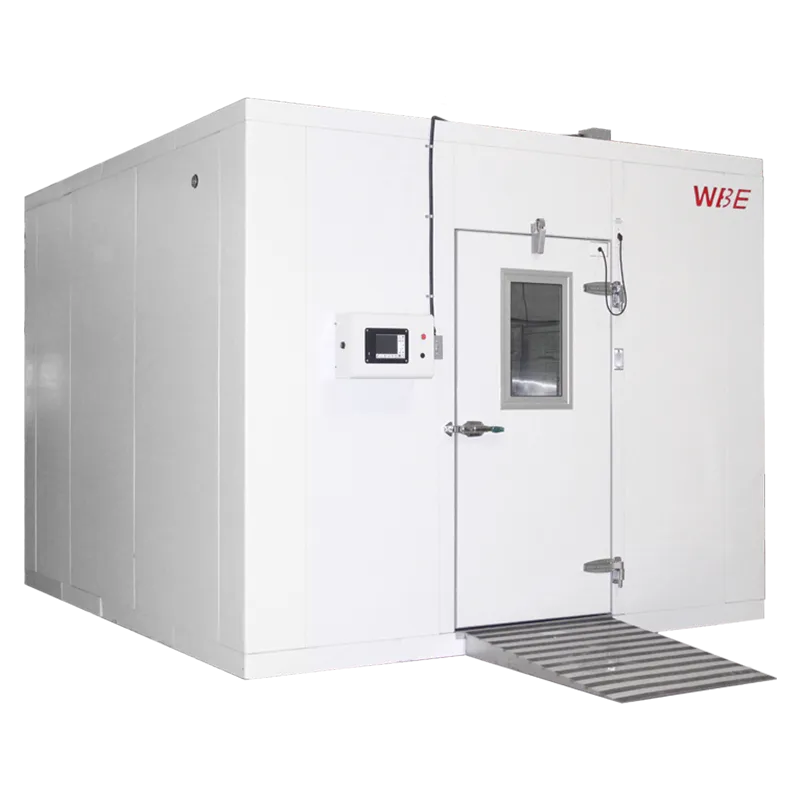
Different industries have unique requirements for reliability testing equipment. In the semiconductor sector, the focus is often on moisture resistance and thermal stability of microchips. Equipment like HAST chambers is used to simulate decades of use in a matter of hours. In the automotive industry, the focus shifts toward battery safety and vibration resistance, especially with the rise of electric vehicles. Large-scale walk-in chambers are used to test entire battery packs or even full vehicle chassis to ensure they can handle extreme weather and road conditions. This level of testing is essential for passenger safety and the long-term viability of green energy solutions.
The aerospace industry requires even more stringent testing, as components must survive the vacuum of space or the extreme pressure changes of high-altitude flight. Altitude and low-pressure chambers are essential here to prevent catastrophic mechanical failures mid-flight. Meanwhile, the consumer electronics industry utilizes push-pull testing machines to ensure that buttons, connectors, and screens can withstand thousands of cycles of human interaction. By tailoring the testing environment to the specific needs of the industry, manufacturers can ensure that their products are truly "fit for purpose" in their intended operating environments.
About WBE: Your Partner in Precision Testing
As a global leader in the field, WBE specializes in the research, development, and manufacturing of high-end reliability testing equipment. With over two decades of industry experience, we provide comprehensive solutions that empower manufacturers across the semiconductor, new energy, automotive, and aerospace sectors to achieve unparalleled product quality.
Our core advantages include a dedicated R&D team, state-of-the-art manufacturing facilities, and a commitment to international standards. We take pride in our ability to deliver customized testing solutions, such as our advanced thermal shock test chamber and high-efficiency HAST aging test chamber. Whether you are looking for a walk-in type temperature and humidity chamber for large-scale components or a high-precision bond tester machine for microelectronics, WBE has the expertise to meet your needs.
WBE's equipment is trusted by leading state-owned enterprises and global tech giants alike. Our mechanical testing machine series and high and low temperature humidity test chamber options are designed for durability, accuracy, and ease of use, ensuring your laboratory operations remain efficient and compliant with the latest industry standards.
Frequently Asked Questions
Q1: How do I choose the right reliability testing equipment for my factory?
Choosing the right equipment depends on your product's intended environment and industry standards. You should first identify the primary stressors (temperature, vibration, or force) your product will face. WBE experts can assist you in selecting models that align with specific test protocols like MIL-STD or ISO.
Q2: What is the maintenance schedule for reliability testing equipment?
Most high-precision equipment requires quarterly calibration and semi-annual deep maintenance to ensure sensor accuracy and compressor longevity. Regular maintenance prevents downtime and ensures the repeatability of your test data.
Q3: Can reliability testing equipment be customized for non-standard product sizes?
Yes, WBE specializes in custom solutions. For large-scale products like EV battery packs or solar panels, we offer walk-in chambers that can be tailored to your specific dimensions and performance requirements.
Q4: Does reliability testing equipment help in reducing production costs?
Absolutely. By identifying design flaws early in the R&D phase, you avoid the massive costs of late-stage redesigns and product recalls. It also allows for more precise material selection, potentially reducing raw material costs.
Q5: How does WBE reliability testing equipment ensure data accuracy?
Our equipment uses high-precision sensors and advanced PLC control systems. Every unit undergoes rigorous factory testing and calibration before shipment to ensure it meets international precision standards.
Ready to Elevate Your Quality Standards?
Investing in advanced reliability testing equipment is a commitment to excellence and long-term success. Let WBE help you build products that stand the test of time.