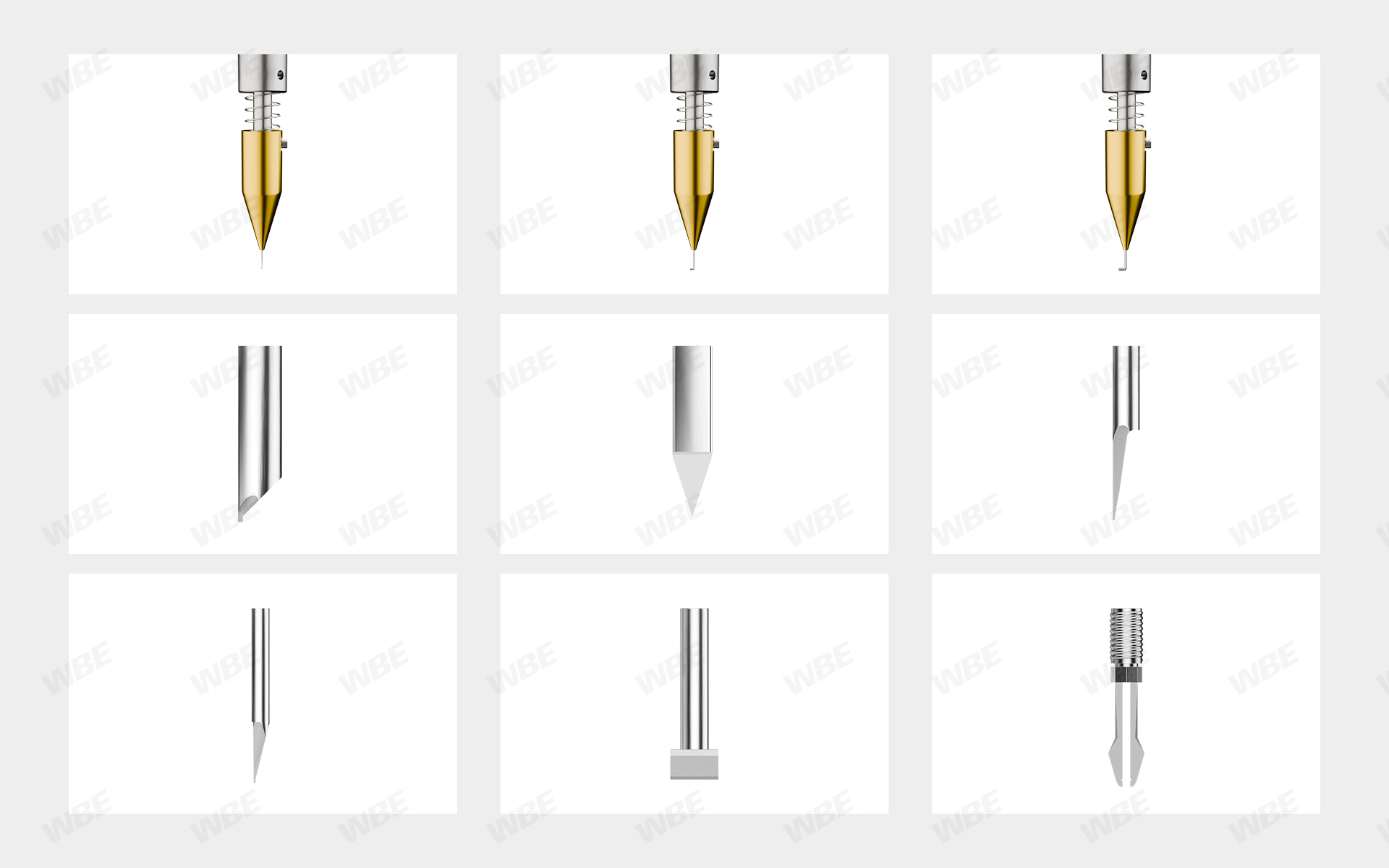
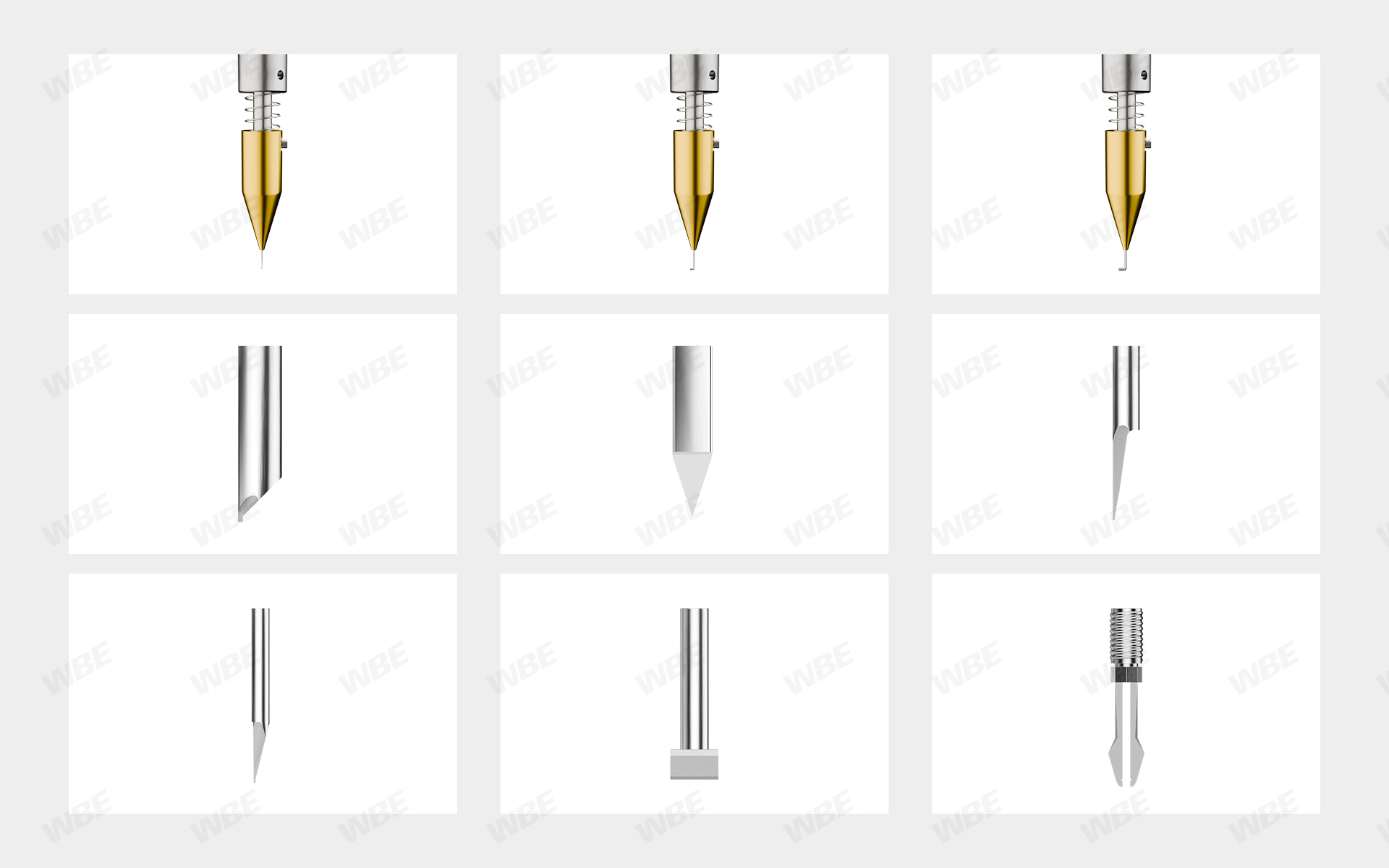
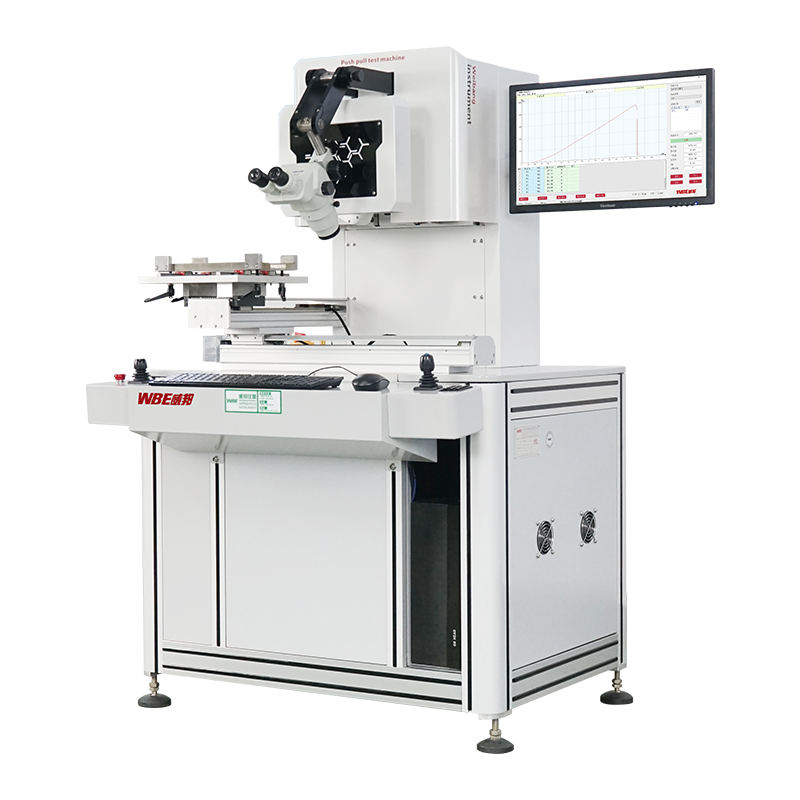
Wire Bond Strength Tester Machine also known as a push-pull force tester or bonding strength tester, is widely used in the microelectronics industry and semiconductor packaging for failure analysis and reliability testing. It features bond wire strength tensile testing, solder joint push testing, and chip shear force testing, and can switch between destructive and non-destructive testing. It is an important dynamic mechanical testing instrument for bond processes, surface mount technology (SMT) processes, bonding processes, and microelectronics manufacturing.
WBE-Wire Bond Strength Tester Machine is a physical performance testing instrument used in the field of mechanics. It is an important dynamic mechanical testing instrument for bond processes, SMT processes, bonding processes, and microelectronics manufacturing. It is widely used in semiconductor packaging, optical communication device packaging, LED packaging, and military equipment products or components for failure analysis and reliability testing.
1. Solder Strip Pull Test – Various hooks, clamps, and other load-bearing tools can test samples of various sizes and types. 2. Hot-Pulse/Pin Pull Test – Tests PCB materials and low-profile solder bumps. 3. Copper Wire First Solder Ball Pull Test, Chip Shear Force, Copper Pillar Bump Pull Test – Custom-designed pull clamps can perform tear-pull force tests at this critical connection point. 4. Tensile-Shear-Force Fatigue Test – Fatigue analysis is becoming an increasingly important method for evaluating solder joint reliability. Adjusting the software and hardware allows for fatigue testing in both tensile and shear force modes. 5. Passivation Layer Shear Test – Solder ball shear force testing can be performed using software and specific load-bearing tools, without being limited by the passivation layer.
Test Standards:
Wire Bond Strength Tester Machine Features: 1. Ribbon Pull Test - A variety of hooks, jaws, and other load tools allow testing of various sample sizes and types. 2. Hot Bump/Needle Pull Test - Tests printed circuit board materials and low-profile solder bumps. 3. Copper Wire First Bump Pull, Wafer Shear, and Copper Pillar Bump Pull Test - Customized pull jaws enable tear testing of these critical connections. 4. Tension-Shear Fatigue Test - Fatigue analysis is becoming an increasingly important method for assessing solder joint reliability. Adjustable software and hardware enable fatigue testing in both tension and shear modes. 5. Passivation Layer Shear Test - Software and specialized load tools enable solder ball shear testing, regardless of passivation layer limitations.