
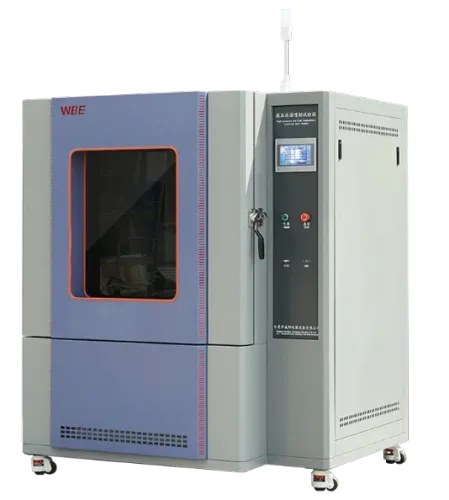
Related Products
More items about testing machine
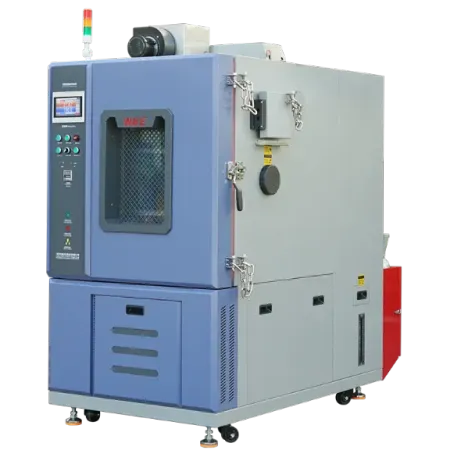
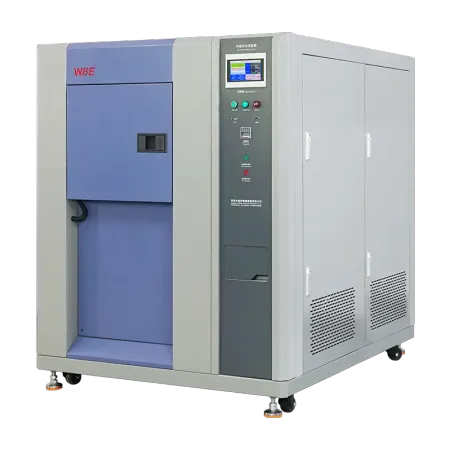
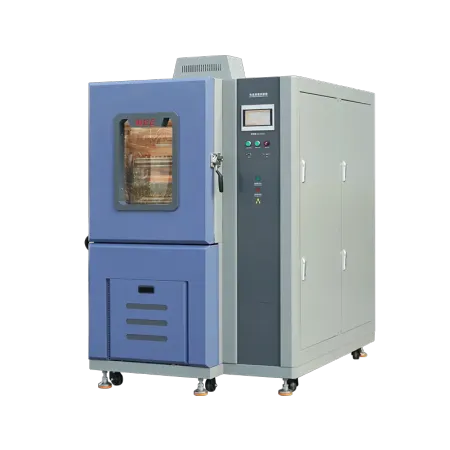
We Have The Best Solutions for Your Business
Originated From
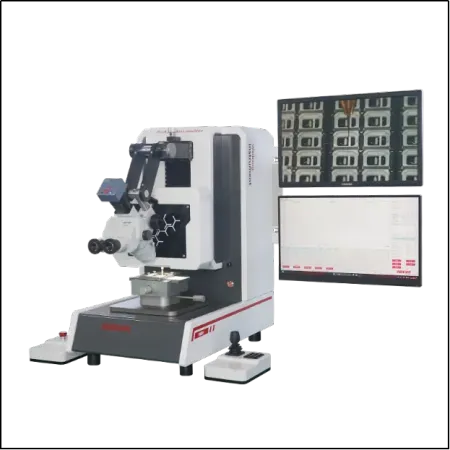
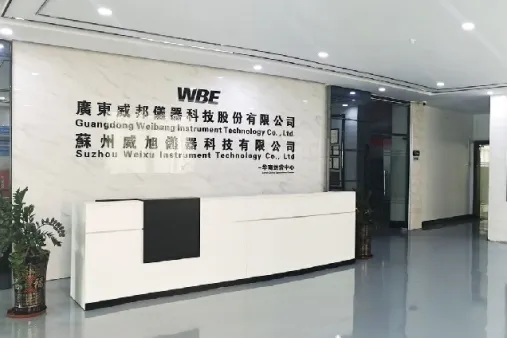
Guangdong WBE Instrument Technology Co., Ltd., abbreviated as WBE, was founded in 1995 and is headquartered in Dongguan, Guangdong Hong Kong Macao Greater Bay Area. It is a high-end testing instrument manufacturer. The company currently has over 12000 square meters of modern independent factories to meet various non-standard customized production needs, and has established five marketing service centers in Beijing, Chongqing, Xi'an, Suzhou, Dongguan and other places across the country, aiming to provide customers with more convenient and efficient services. Our products include various weather resistant environmental testing chambers, large-scale non-standard environmental testing chambers, chip packaging push-pull testing machines, and comprehensive mechanical and environmental non-standard testing machines.
Beyond Single-Stress Testing: The Engineering Breakthrough of Combined Environmental Testing Machines
In my years of validating products for extreme environments, I've witnessed a fundamental limitation of traditional testing methodologies: applying environmental stresses sequentially fails to replicate the synergistic failure mechanisms that occur in real-world conditions. The engineering breakthrough represented by the combined environmental testing machine lies in its ability to simultaneously subject products to the very stress combinations that precipitate field failures. Unlike conventional approaches that test temperature, then vibration, then humidity separately, a sophisticated combined environmental testing machine creates the physically authentic conditions where materials expand and contract while undergoing mechanical excitation in corrosive atmospheres—precisely the environment where connectors fail, solder joints crack, and materials delaminate.
The technical complexity of a true combined environmental testing machine cannot be overstated. These are not merely environmental chambers with vibration tables bolted inside. The most advanced combined environmental testing machine solutions feature deeply integrated systems where the thermal and mechanical engineers collaborate from the initial design phase. The vibration system must maintain performance across the entire temperature range, while the chamber's structural integrity must withstand continuous mechanical excitation without compromising temperature uniformity. When evaluating a combined environmental testing machine, the critical metric is not just the maximum specification of each individual stressor, but the system's ability to maintain all parameters simultaneously at their specified tolerances—a challenge that separates true integrated systems from mere component assemblies.
Ultimately, the business case for investing in a combined environmental testing machine extends far beyond compliance testing. These systems become strategic assets that accelerate development cycles and prevent extraordinarily costly field failures. By identifying design weaknesses early through physically realistic testing, manufacturers can avoid the devastating costs of product recalls, warranty claims, and brand reputation damage. The combined environmental testing machine provides the most rigorous validation available short of actual field deployment, condensing years of environmental aging into manageable test durations while revealing failure modes that simply cannot be detected through conventional single-stress testing approaches.
User Reviews
What users say about WBE
Frequently Asked Question
Do you have any question?
A combined environmental testing machine simultaneously applies multiple environmental stresses—typically temperature, humidity, and vibration—in a single, integrated system. Unlike standard chambers that test these factors sequentially, a combined environmental testing machine replicates real-world conditions where stresses interact, providing more accurate failure detection and significantly accelerated testing.
Our combined environmental testing machine can integrate various vibration systems including electrodynamic shakers for high-frequency random vibration, hydraulic shakers for high-force/low-frequency simulation, and mechanical shakers for specific industry profiles, all synchronized with environmental parameters.
Absolutely. As a specialized manufacturer, we engineer combined environmental testing machine solutions to meet specific standards like MIL-STD-810, IEC 60068-2, RTCA DO-160, and automotive OEM specifications, with custom profiles for unique application requirements.
A robust combined environmental testing machine requires comprehensive safety systems including independent overtemperature protection, vibration emergency stops, seismic mass foundations, chamber pressure relief, and real-time system monitoring to ensure safe operation during aggressive multi-stress testing.
The combined environmental testing machine is essential for aerospace (satellites, avionics), automotive (EV components, ADAS), defense electronics, medical devices, and telecommunications—any industry where product reliability under combined environmental stresses is critical for safety and performance.
Our combined environmental testing machine features an integrated control system that synchronizes all parameters—temperature ramp rates, humidity levels, and vibration profiles—in real-time. The system provides coordinated control, data acquisition, and safety monitoring through a unified interface.
Our updates and blog posts
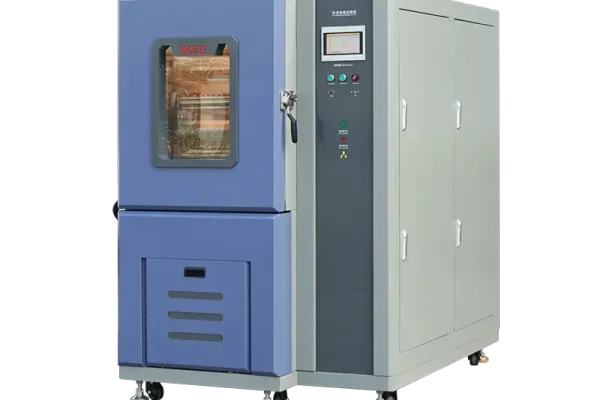
The Production Line Problem: Why Good Designs Still Suffer Early Failures
Explore the complete world of environmental testing. This guide covers the principles, applications, and selection criteria for various test chambers used to ensure product reliability.
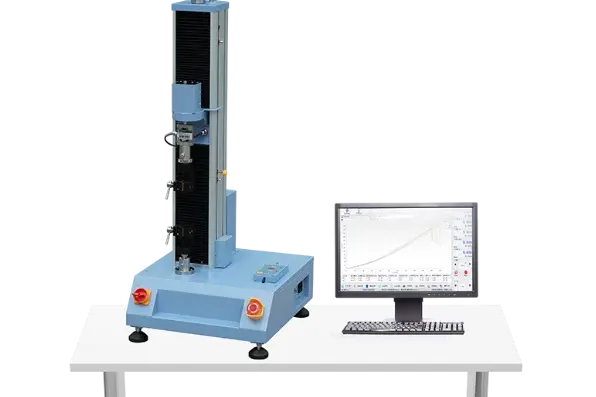
The Ultimate Guide to Environmental Test Chambers
Explore the complete world of environmental testing. This guide covers the principles, applications, and selection criteria for various test chambers used to ensure product reliability.
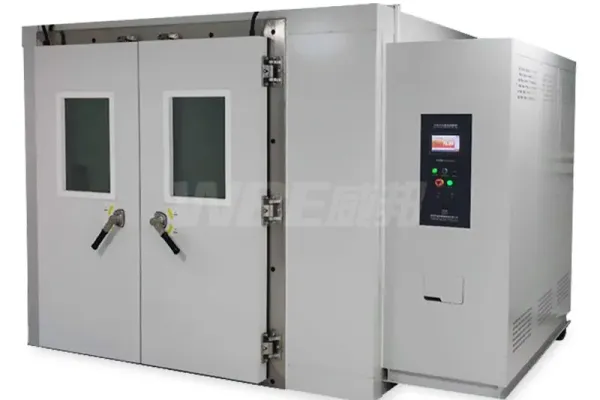
A Buyer's Guide to Specifying Walk-in Environmental Chambers
Planning to buy a walk-in test chamber? Our guide covers the critical decisions you'll need to make, offering a detailed comparison of construction types and design features.