
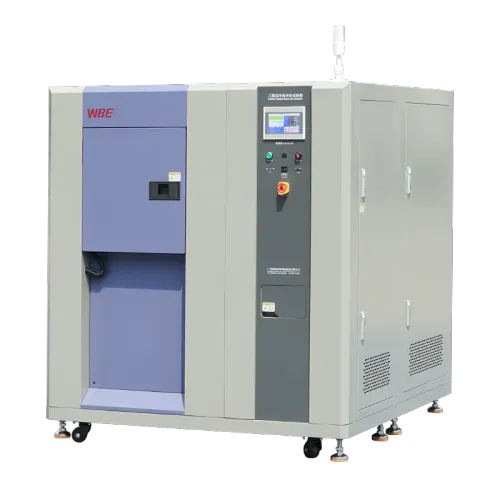
Features
Why Choose WBE?
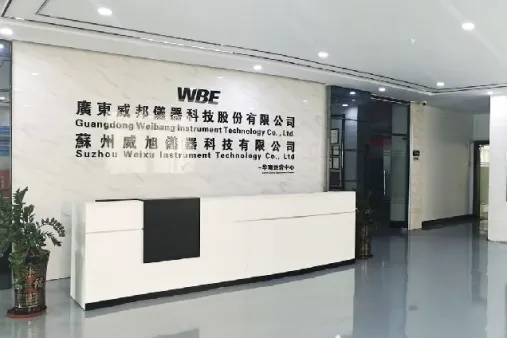
We Have The Best Solutions for Your Business
Originated From
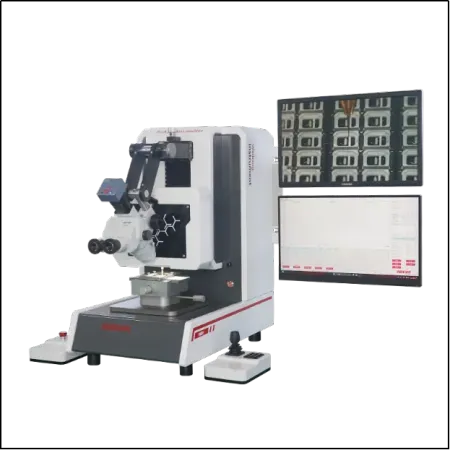
Guangdong WBE Instrument Technology Co., Ltd., abbreviated as WBE, was founded in 1995 and is headquartered in Dongguan, Guangdong Hong Kong Macao Greater Bay Area. It is a high-end testing instrument manufacturer. The company currently has over 12000 square meters of modern independent factories to meet various non-standard customized production needs, and has established five marketing service centers in Beijing, Chongqing, Xi'an, Suzhou, Dongguan and other places across the country, aiming to provide customers with more convenient and efficient services. Our products include various weather resistant environmental testing chambers, large-scale non-standard environmental testing chambers, chip packaging push-pull testing machines, and comprehensive mechanical and environmental non-standard testing machines.
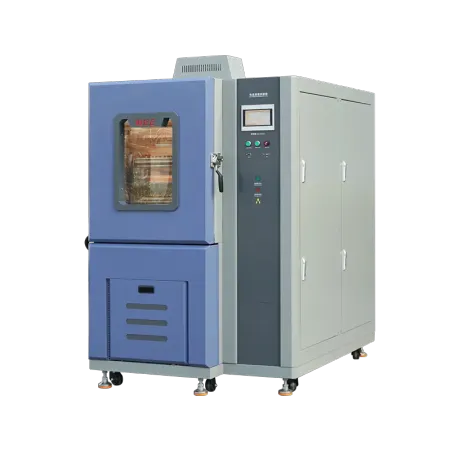
In the world of high-stakes engineering, the most dangerous failures are often those caused by sudden, unforeseen events. A satellite component moving from direct sunlight into the cold shadow of Earth, or an automotive sensor being splashed with icy water on a hot day—these are the moments where reliability is truly tested. WBE engineers the ultimate tool for preparing products for these moments: the thermal shock test chamber. This equipment is designed not merely to test a product, but to violently stress it, subjecting it to the most aggressive thermal challenges imaginable to ensure its absolute survivability.
The fundamental problem that a thermal shock test chamber is built to solve is material fatigue and failure caused by rapid thermal expansion and contraction. When different materials are bonded together, they expand and contract at different rates. A slow temperature change allows these stresses to be accommodated, but a near-instantaneous shock provides no such relief. This intense, induced stress is the most effective method for revealing latent weaknesses in solder joints, hermetic seals, and material bonds that could otherwise take years to fail in the field. Our chambers provide a controlled, repeatable way to find these critical flaws in the lab.
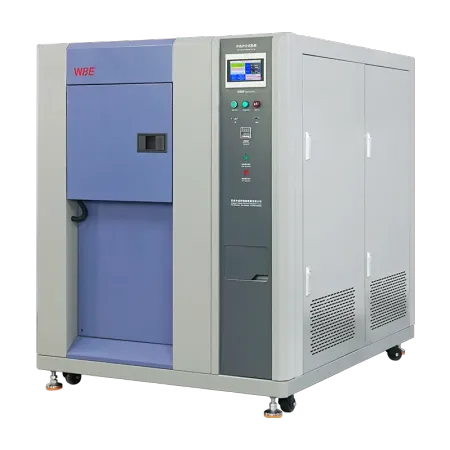
The construction of a WBE thermal shock test chamber is a testament to our commitment to robust engineering. The machine must itself withstand the violent temperature swings it creates. We utilize heavy-gauge stainless steel, advanced insulation materials, and powerful, independent refrigeration and heating systems for each zone. At the heart of the machine is a high-speed, pneumatically-actuated transfer basket, engineered for rapid movement and long-term durability. Every element is designed to ensure that the machine can perform thousands of shock cycles, delivering the consistent, verifiable data our clients in the aerospace, automotive, and defense sectors need to certify their products.
Ultimately, the WBE thermal shock test chamber
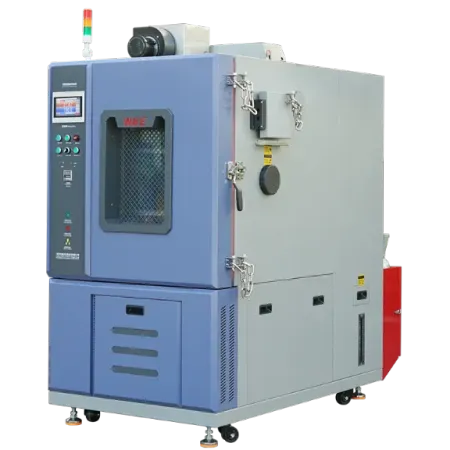
Featured Products
Collection about WBE
User Reviews
What users say about WBE
Frequently Asked Question
Do you have any question?
A thermal shock test chamber is a type of environmental test equipment that subjects a product to extremely rapid temperature changes. It achieves this by using a mechanical lift or basket to move the product between two or three separate chambers maintained at very different temperatures (e.g., from +150°C to -65°C) in just a few seconds.
Recovery time is a critical performance specification. It is the amount of time it takes for the zone (hot or cold) to return to its specified temperature after the product has been transferred into it. A shorter recovery time, a key feature of a WBE thermal shock test chamber, allows for more efficient and accurate testing that adheres to strict industry standards.
Industries that produce high-reliability products for harsh environments are the primary users. This includes aerospace and defense (to meet MIL-STD requirements), automotive (for under-hood electronics and sensors), and advanced electronics and telecommunications (for components that experience rapid power-cycling and heat generation). Any product with bonded or sealed dissimilar materials can benefit from using a thermal shock test chamber.
A thermal shock test chamber is effective because it maximizes the stress caused by the mismatch in the Coefficient of Thermal Expansion (CTE) between different materials. When materials expand and contract at different rates during a rapid temperature change, it places immense stress on the bonds between them (like solder joints or epoxy seals), quickly revealing any weaknesses that could lead to cracking or delamination.
Our updates and blog posts
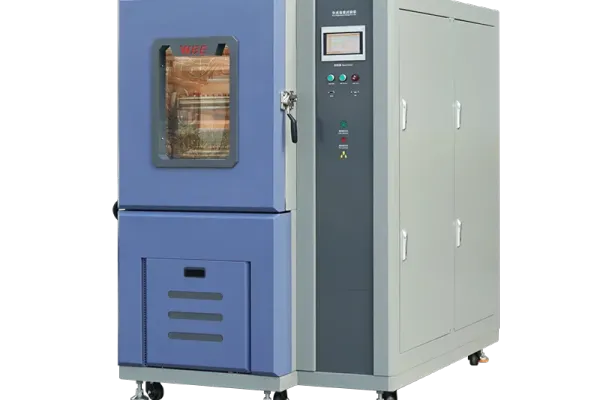
The Production Line Problem: Why Good Designs Still Suffer Early Failures
Explore the complete world of environmental testing. This guide covers the principles, applications, and selection criteria for various test chambers used to ensure product reliability.
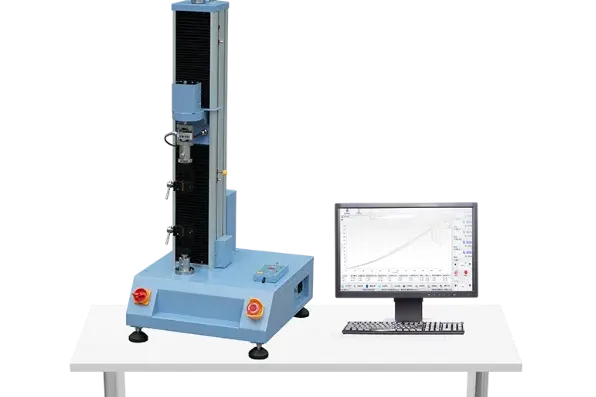
The Ultimate Guide to Environmental Test Chambers
Explore the complete world of environmental testing. This guide covers the principles, applications, and selection criteria for various test chambers used to ensure product reliability.

A Buyer's Guide to Specifying Walk-in Environmental Chambers
Planning to buy a walk-in test chamber? Our guide covers the critical decisions you'll need to make, offering a detailed comparison of construction types and design features.