
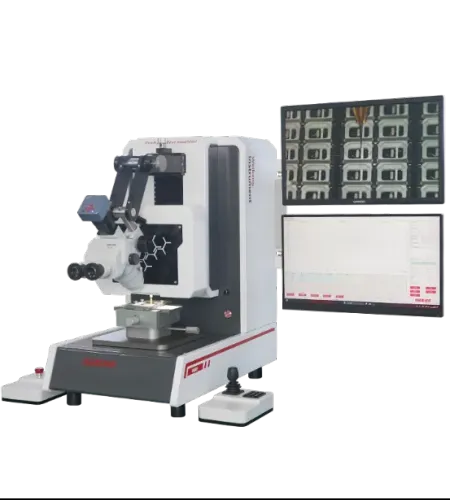
Related Products
More items about push-pull testing machine
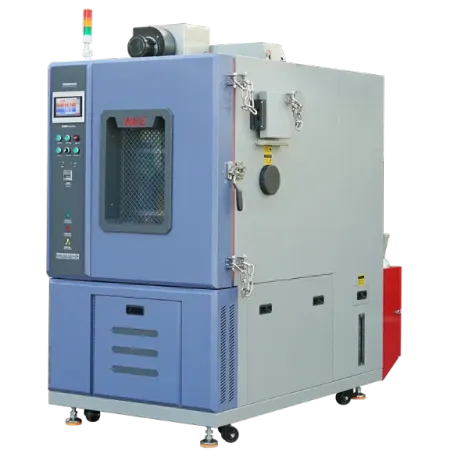
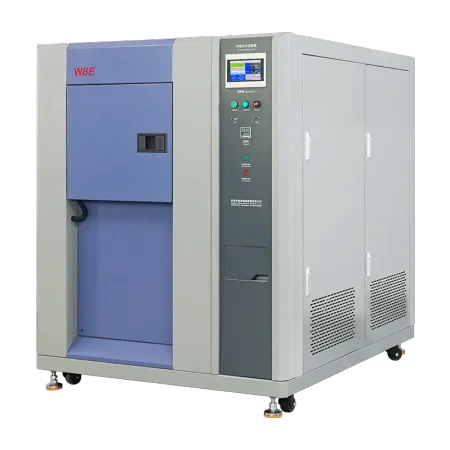
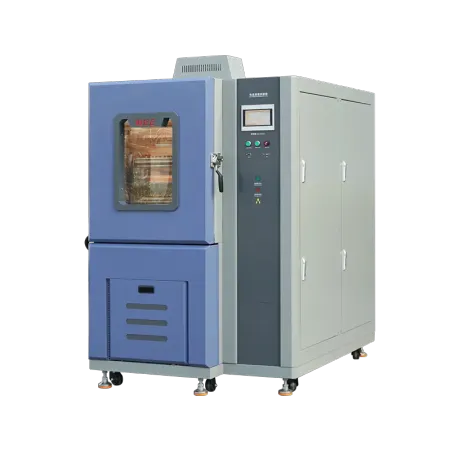
We Have The Best Solutions for Your Business
Originated From
Guangdong WBE Instrument Technology Co., Ltd., abbreviated as WBE, was founded in 1995 and is headquartered in Dongguan, Guangdong Hong Kong Macao Greater Bay Area. It is a high-end testing instrument manufacturer. The company currently has over 12000 square meters of modern independent factories to meet various non-standard customized production needs, and has established five marketing service centers in Beijing, Chongqing, Xi'an, Suzhou, Dongguan and other places across the country, aiming to provide customers with more convenient and efficient services. Our products include various weather resistant environmental testing chambers, large-scale non-standard environmental testing chambers, chip packaging push-pull testing machines, and comprehensive mechanical and environmental non-standard testing machines.
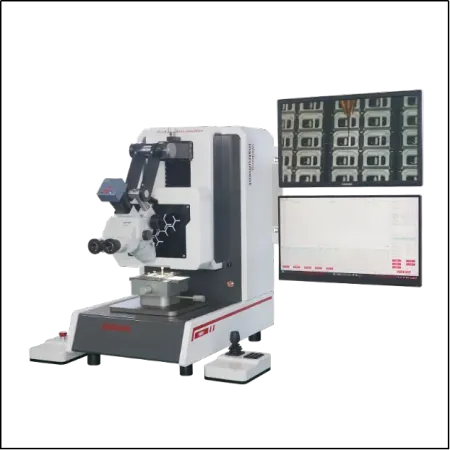
The Science of Comfort: Quantifying Usability with a Push-Pull Testing Machine for Ergonomics
In the realm of product design, the line between a good product and a great one is often drawn by its ergonomics. For decades, assessing this was largely subjective, relying on user panels that could be inconsistent and difficult to translate into engineering specifications. Today, that paradigm has shifted. The push-pull testing machine for ergonomics has become the cornerstone of a scientific approach to usability, transforming the subtle "feel" of a button or switch into precise, actionable data. As someone who has witnessed this evolution, I can attest that integrating a push-pull testing machine for ergonomics into the design validation process is no longer a luxury; it's a necessity for creating products that win in the marketplace through superior user experience.
The true power of a push-pull testing machine for ergonomics lies in its ability to deconstruct a complex human sensation into its fundamental physical components. It doesn't just measure the peak force required to press a button; it captures the entire force-travel curve. This data reveals the initial resistance, the breakaway force, the tactile "click" force, and the overtravel behavior. This level of detail is invaluable. It allows an engineer to pinpoint why one switch feels "mushy" and another feels "crisp," and to make precise design adjustments to the springs, domes, or mechanical linkages to achieve the desired feel. A push-pull testing machine for ergonomics provides the empirical evidence needed to iterate and perfect these interactions efficiently.
Ultimately, the goal is to build products that are a joy to use and accessible to all. A push-pull testing machine for ergonomics is instrumental in this mission. It ensures that a medical device can be operated with minimal effort by a healthcare worker with fatigued hands, or that a child's toy is easy for small fingers to manipulate. By objectively validating operating forces, companies can mitigate the risk of repetitive strain injuries and ensure compliance with accessibility standards. Investing in a high-quality push-pull testing machine for ergonomics from WBE is an investment in your product's human-centricity, building a foundation of user trust and satisfaction that pays dividends in brand loyalty and market success.
User Reviews
What users say about WBE
Frequently Asked Question
Do you have any question?
The primary application of a push-pull testing machine for ergonomics is to measure the actuation force, travel distance, and tactile feedback of user interfaces. This is critical for ensuring buttons are not too hard to press, levers operate smoothly, and controls provide a consistent and comfortable user experience.
Subjective user feedback can be variable. A push-pull testing machine for ergonomics provides quantitative, repeatable data that allows engineers to set precise design specifications, ensure consistency across production, and validate that products meet ergonomic standards and user expectations for comfort and ease of use.
A push-pull testing machine for ergonomics is versatile. It can test the keys on a keyboard, the power button on a device, a medical syringe's plunger force, a car's gear shifter, a tool's trigger, or the opening force of a package or lid—essentially any interface requiring human interaction.
Yes. Many industries have guidelines or standards for operating forces to prevent repetitive strain injuries or ensure safe operation. A push-pull testing machine for ergonomics provides the documented evidence needed to prove compliance with these human factors and safety requirements.
For ergonomic applications, look for a push-pull testing machine for ergonomics with high-resolution force measurement (often in the gram or ounce range), precise displacement control, easy-to-use software for peak force and travel analysis, and a variety of small, adaptable fixtures to hold different components.
WBE provides more than just the instrument. We offer application support to help you set up tests, recommend the right fixtures and sensors for your specific components, and ensure your push-pull testing machine for ergonomics is calibrated to deliver the accurate data required for confident design decisions.
Our updates and blog posts
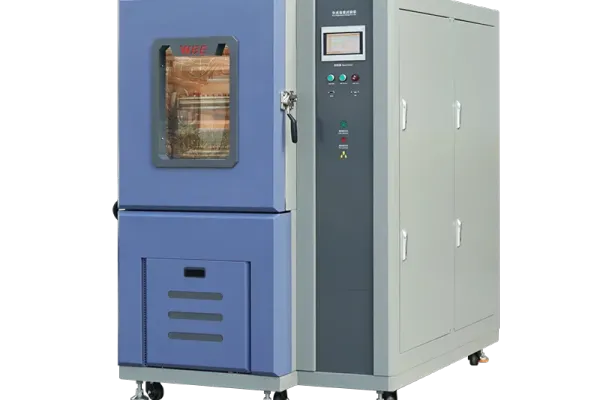
The Production Line Problem: Why Good Designs Still Suffer Early Failures
Explore the complete world of environmental testing. This guide covers the principles, applications, and selection criteria for various test chambers used to ensure product reliability.
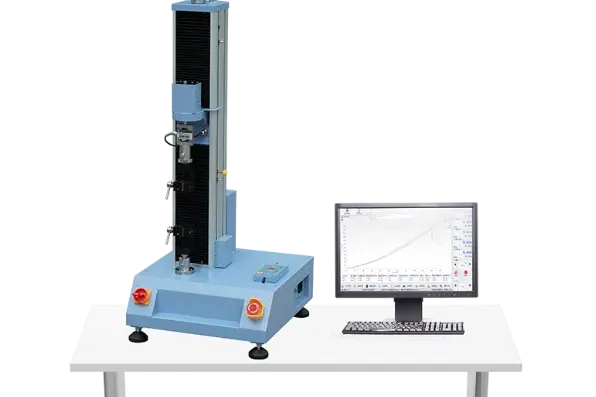
The Ultimate Guide to Environmental Test Chambers
Explore the complete world of environmental testing. This guide covers the principles, applications, and selection criteria for various test chambers used to ensure product reliability.
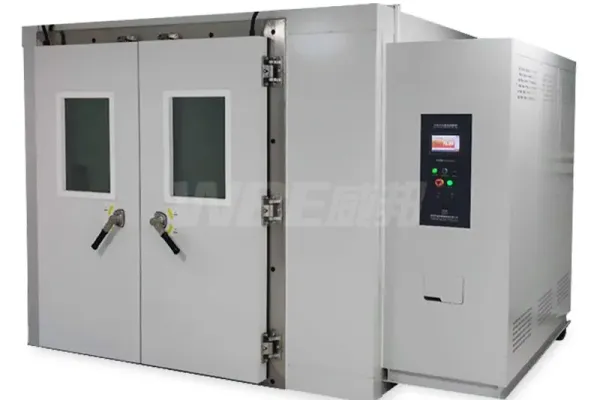
A Buyer's Guide to Specifying Walk-in Environmental Chambers
Planning to buy a walk-in test chamber? Our guide covers the critical decisions you'll need to make, offering a detailed comparison of construction types and design features.