
Features
Why Choose WBE?
We Have The Best Solutions for Your Business
Originated From
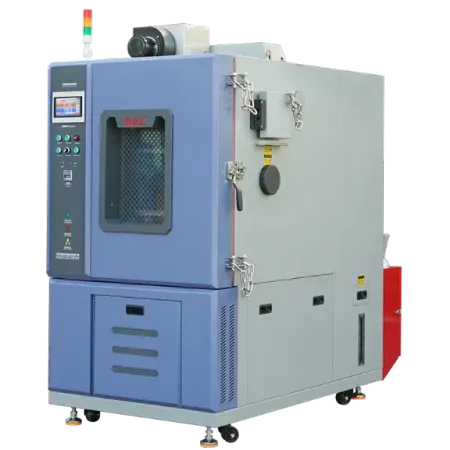
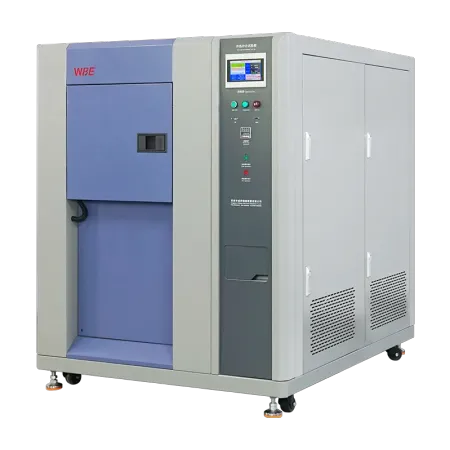
Guangdong WBE Instrument Technology Co., Ltd., abbreviated as WBE, was founded in 1995 and is headquartered in Dongguan, Guangdong Hong Kong Macao Greater Bay Area. It is a high-end testing instrument manufacturer. The company currently has over 12000 square meters of modern independent factories to meet various non-standard customized production needs, and has established five marketing service centers in Beijing, Chongqing, Xi'an, Suzhou, Dongguan and other places across the country, aiming to provide customers with more convenient and efficient services. Our products include various weather resistant environmental testing chambers, large-scale non-standard environmental testing chambers, chip packaging push-pull testing machines, and comprehensive mechanical and environmental non-standard testing machines.
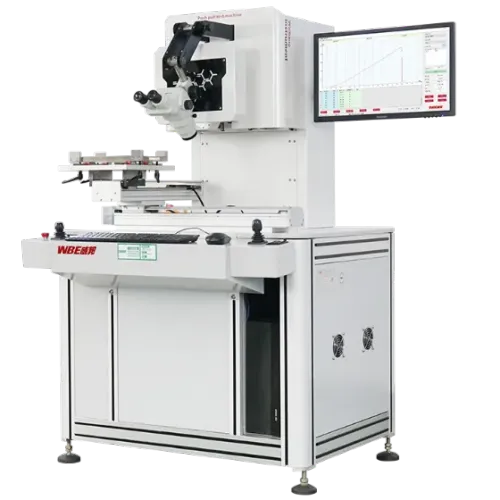
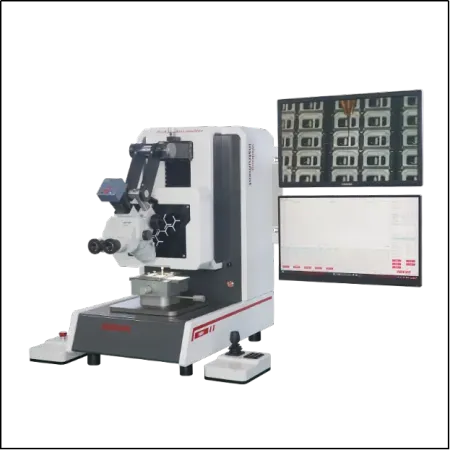
push-pull testing machine emerges as a critical instrument of assurance. WBE engineers these machines not just to measure force, but to instill confidence, providing the definitive data that validates the integrity of the most delicate electronic assemblies and ensures the reliability of the final product.
The primary challenge in microelectronics packaging is ensuring the mechanical strength of interconnects that are often thinner than a human hair. A weak wire bond, a poorly adhered die, or a faulty solder ball can lead to intermittent failures or complete device malfunction. A WBE push-pull testing machine directly addresses this problem by applying precise, measurable forces to quantify the strength of these bonds. This process is fundamental to quality control, allowing manufacturers to detect process deviations, verify the quality of new materials, and ensure their products can withstand the thermal and mechanical stresses of real-world operation.
The development of a WBE push-pull testing machine is a deep dive into the world of precision engineering. Our design process focuses on creating an ultra-stable platform, free from vibration, that allows our high-resolution load cells and motion control systems to operate with maximum accuracy. We work with industry leaders like SMIC and ASE GROUP to understand the evolving challenges of new packaging technologies, such as 3D ICs and system-in-package designs. This collaboration ensures our machines are equipped with the advanced capabilities needed to test the next generation of electronic devices, providing our clients with a clear path to quality and reliability.
Ultimately, the value of a WBE push-pull testing machine lies in the certainty it provides. It transforms the abstract concept of "quality" into a concrete, data-driven process. For our partners in the electronics industry, this certainty is the foundation upon which they build their reputation. It is the guarantee that their products will perform as designed, from mission-critical aerospace components to the consumer devices we use every day. WBE is proud to provide the tools that make this level of reliability possible.
Featured Products
Collection about WBE
User Reviews
What users say about WBE
Frequently Asked Question
Do you have any question?
The main tests performed by a push-pull testing machine include wire bond pull testing (to check the strength of wire-to-pad bonds), ball shear testing (to test the integrity of solder balls in BGA packages), die shear testing (to measure the adhesion strength of a semiconductor die to its substrate), and various other micro-force tests like tweezer pull or stud pull for specific components.
A push-pull testing machine is essential for semiconductors because it directly validates the reliability of the packaging process. A single faulty wire bond or a weak die attachment can cause a catastrophic failure of an entire integrated circuit. These machines provide the data needed for process control, quality assurance, and compliance with industry standards like MIL-STD-883.
A destructive pull test, the more common type, pulls a wire until it breaks to measure its ultimate bond strength. A non-destructive pull test, performed on a push-pull testing machine, applies a predetermined force (lower than the expected breaking strength) to 100% of the wires on a high-reliability device. This ensures all bonds meet a minimum strength requirement without destroying them.
The force range for a push-pull testing machine is typically very low, often from a few grams-force (gf) up to 100 kilograms-force (kgf). Different test heads and load cell cartridges are used to achieve high accuracy within specific ranges, such as 0-100 gf for fine wire pull testing or 0-100 kgf for die shear testing.
By providing immediate feedback on the quality of the bonding or soldering process, a push-pull testing machine helps engineers identify and correct process issues quickly. If bond strengths start to trend lower, it can indicate a problem with a wire bonder, a contaminated surface, or an incorrect parameter. Addressing these issues in real-time prevents the production of large quantities of faulty devices, thus improving overall yield.
Our updates and blog posts
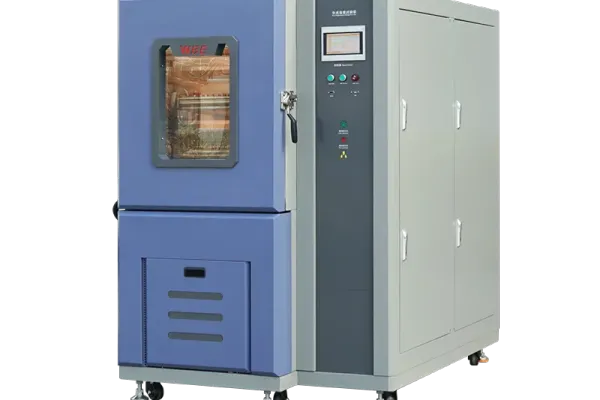
The Production Line Problem: Why Good Designs Still Suffer Early Failures
Explore the complete world of environmental testing. This guide covers the principles, applications, and selection criteria for various test chambers used to ensure product reliability.
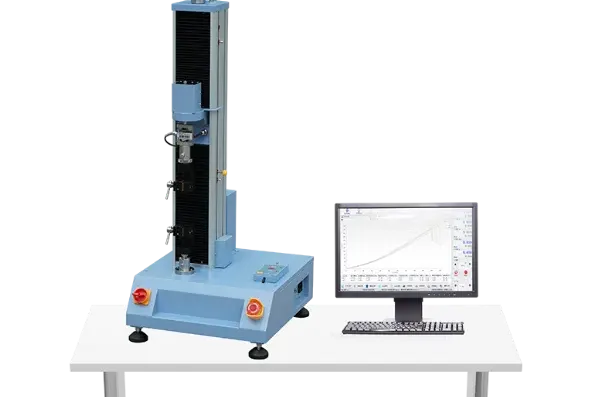
The Ultimate Guide to Environmental Test Chambers
Explore the complete world of environmental testing. This guide covers the principles, applications, and selection criteria for various test chambers used to ensure product reliability.
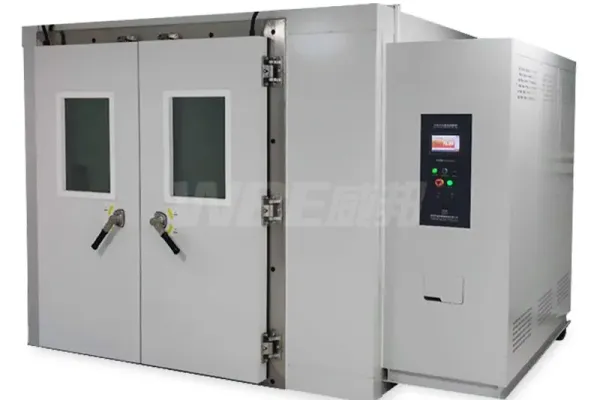
A Buyer's Guide to Specifying Walk-in Environmental Chambers
Planning to buy a walk-in test chamber? Our guide covers the critical decisions you'll need to make, offering a detailed comparison of construction types and design features.