
Related Products
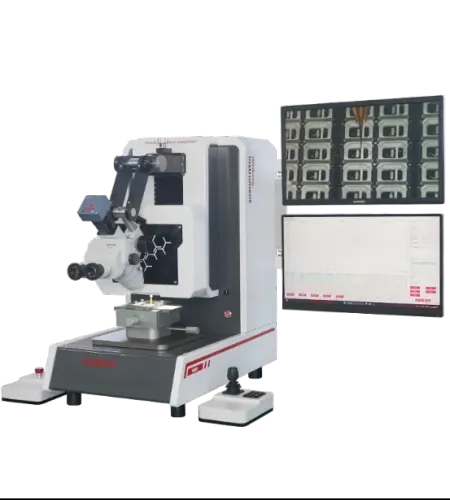
More items about push-pull testing machine
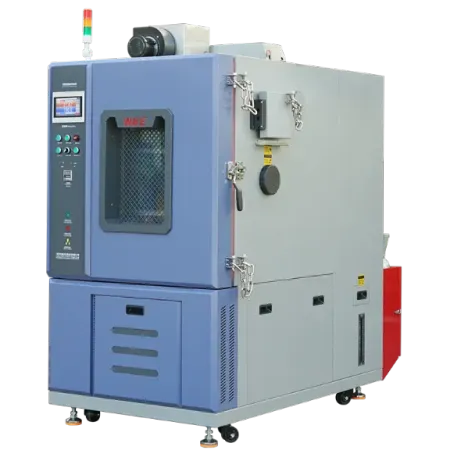
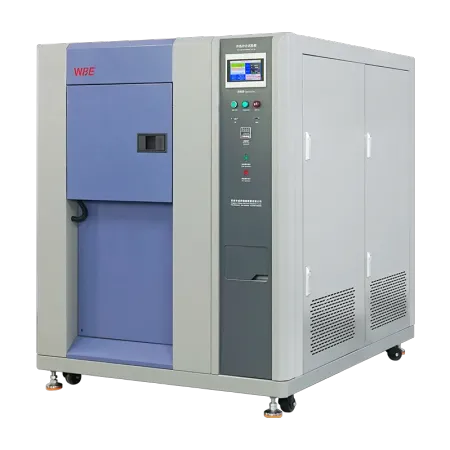
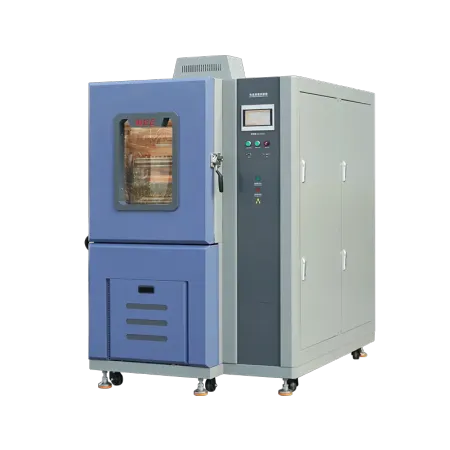

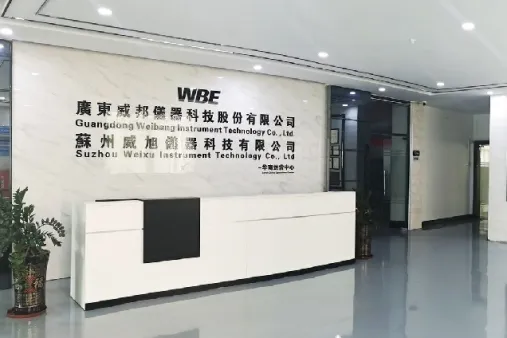
We Have The Best Solutions for Your Business
Originated From
Guangdong WBE Instrument Technology Co., Ltd., abbreviated as WBE, was founded in 1995 and is headquartered in Dongguan, Guangdong Hong Kong Macao Greater Bay Area. It is a high-end testing instrument manufacturer. The company currently has over 12000 square meters of modern independent factories to meet various non-standard customized production needs, and has established five marketing service centers in Beijing, Chongqing, Xi'an, Suzhou, Dongguan and other places across the country, aiming to provide customers with more convenient and efficient services. Our products include various weather resistant environmental testing chambers, large-scale non-standard environmental testing chambers, chip packaging push-pull testing machines, and comprehensive mechanical and environmental non-standard testing machines.
Beyond the Numbers: Decoding the True Value in a Push-Pull Testing Machine Datasheet
In the technical world of force measurement, the push-pull testing machine datasheet is often the primary document for evaluation. However, from an engineering perspective, I've learned that the most critical insights come from reading between the lines of the push-pull testing machine datasheet. A truly valuable push-pull testing machine datasheet does more than list specifications; it tells a story about the machine's design philosophy, its intended applications, and the manufacturer's commitment to metrological integrity. When you review a WBE push-pull testing machine datasheet, you are not just looking at numbers; you are assessing a blueprint for data reliability and long-term performance.
The distinction between a basic spec sheet and an engineering-grade push-pull testing machine datasheet lies in the details that impact data quality. For instance, many datasheets will state a force capacity. Ours also specifies system accuracy as a percentage of reading, which is far more meaningful at lower forces typical of many push-pull tests. Furthermore, a superior push-pull testing machine datasheet will detail the system's frame stiffness and compliance. This is a critical but often overlooked metric that directly influences the accuracy of displacement and modulus calculations, especially when testing stiff materials. By providing these nuanced specifications, the WBE push-pull testing machine datasheet empowers you to make a technically sound comparison and avoid the hidden costs of an under-specified system.
Ultimately, the push-pull testing machine datasheet is the foundation of a trust-based partnership. It is a promise of performance. When we at WBE publish a push-pull testing machine datasheet, we stand behind every stated parameter. This document is the starting point for a dialogue where our application experts can help you interpret how these specifications translate to your specific testing challenges—whether you're measuring the actuation force of a miniature medical device or the peel strength of a composite bond. Downloading our push-pull testing machine datasheet is the first step toward not just acquiring a tester, but toward building a foundation of unwavering confidence in your quality data.
User Reviews
What users say about WBE
Frequently Asked Question
Do you have any question?
A comprehensive push-pull testing machine datasheet should clearly state: force capacity (in Newtons, lbf, or kgf), accuracy class (e.g., ±0.5% of indicated load), speed range and control accuracy, crosshead travel distance, data sampling rate, system compliance, and details about the controller and software capabilities.
Reputable manufacturers like WBE ensure that the accuracy stated in the push-pull testing machine datasheet is backed by calibration certificates traceable to national standards (e.g., NIST). Look for references to standards like ISO 7500-1 or ASTM E4 in the datasheet, which govern tension/compression testing machine verification.
A high-quality push-pull testing machine datasheet should include a section on software features. It should specify test setup capabilities, real-time data display, analysis functions (peak force, travel, etc.), and export formats (e.g., CSV, PDF) for integration into your quality management system.
Yes, a complete push-pull testing machine datasheet provides critical installation information, including the machine's physical dimensions (footprint, height), weight, and electrical requirements (voltage, power, frequency) to facilitate proper lab planning and setup.
Absolutely. While we provide standard push-pull testing machine datasheet documents, WBE can generate a custom datasheet for systems with unique specifications, such as special force ranges, extended crosshead travel, or integrated environmental chambers, ensuring all technical details are formally documented.
Our push-pull testing machine datasheet explicitly states compliance with relevant international standards for both the machine's performance (e.g., ISO 7500-1) and the test methods it supports (e.g., ASTM D638, ISO 527). This provides assurance that the system is designed for generating auditable data.
Our updates and blog posts
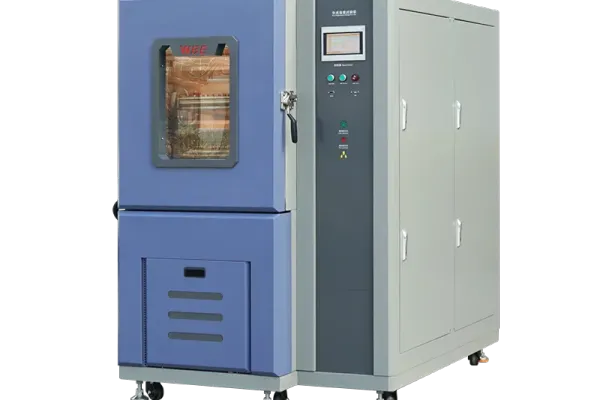
The Production Line Problem: Why Good Designs Still Suffer Early Failures
Explore the complete world of environmental testing. This guide covers the principles, applications, and selection criteria for various test chambers used to ensure product reliability.
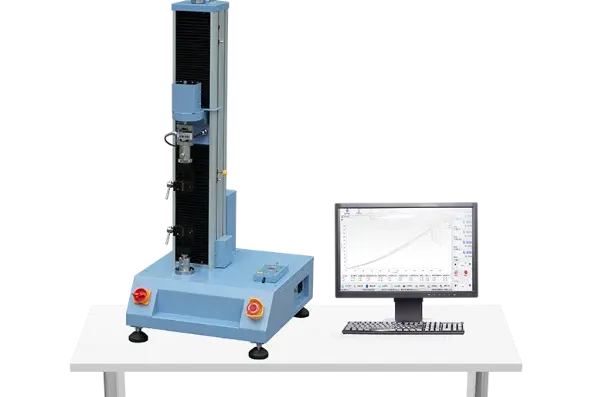
The Ultimate Guide to Environmental Test Chambers
Explore the complete world of environmental testing. This guide covers the principles, applications, and selection criteria for various test chambers used to ensure product reliability.
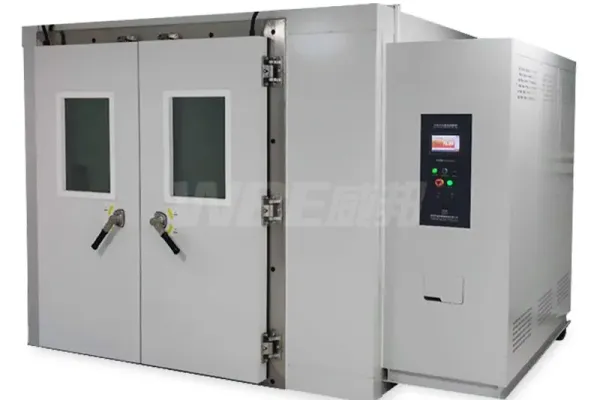
A Buyer's Guide to Specifying Walk-in Environmental Chambers
Planning to buy a walk-in test chamber? Our guide covers the critical decisions you'll need to make, offering a detailed comparison of construction types and design features.